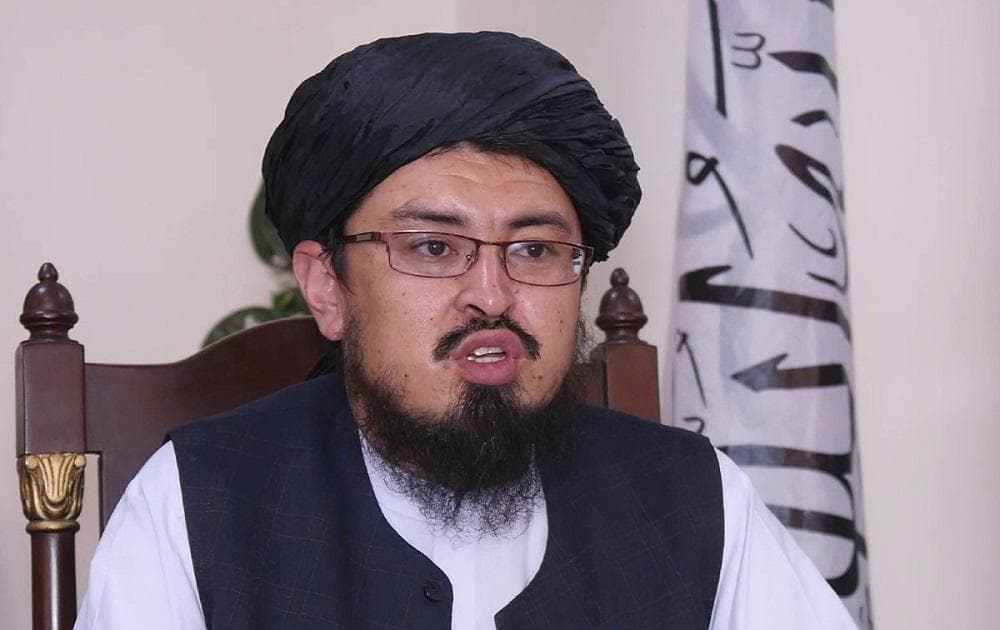
A number of Hazara and Shia religious scholars, elders, and influential figures in Afghanistan have issued a statement accusing Abdul Hakim Shara’i, the Taliban’s Minister of Justice, of “systematic discrimination” and efforts aimed at the “forced displacement” of Hazaras and Shias. They warned that, in their view, the continuation of this situation is “unacceptable.”
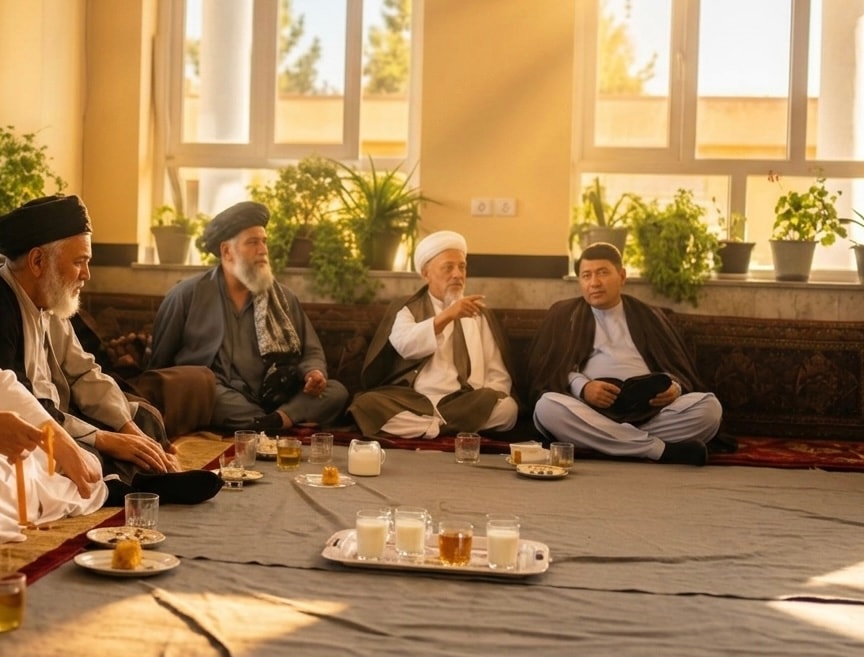
The meeting was held in Kabul on Thursday, 15 Asad. Participants stated that since the Taliban returned to power, Hazaras and Shias have, despite what they describe as being deprived of some of their fundamental rights, worked to preserve national stability and prevent the escalation of crises, while pursuing their concerns through dialogue with Taliban officials.
The statement said that the conduct of the Taliban’s Minister of Justice has intensified in recent years, particularly in recent months, and has been accompanied by actions that the signatories described as insulting and discriminatory against Hazaras and Shias. They also claimed that a number of Shia scholars, elders, and citizens have been detained and imprisoned without court orders or proven charges.
The signatories also accused the Taliban’s Ministry of Justice of taking actions against Shias in recent months. According to them, the Afshar Dar-ul-Aman cemetery has been closed, some residents of the Sanatorium area of Dar-ul-Aman have been detained and forced to leave their homes, and the mosque in the area has been demolished.
The statement further cited the order to evacuate thousands of families living in Omid Sabz Township, the closure of Tamaddon TV, the sealing of the Khatam al-Nabieen mosque and religious school, the closure of several Shia mosques and cultural centres, and the removal of Muharram flags from some mosques and Hussainiyas as other issues of concern.
The signatories also stated that the latest action by the Taliban’s Minister of Justice was the declaration of Omid Sabz Township as “state property” and the issuance of an evacuation order. They claimed that the Taliban’s Land Clearance Commission had previously confirmed the private ownership of the township after reviewing documents.
The statement said that, from the perspective of the signatories, these actions constitute “systematic discrimination” and an attempt at the “forced displacement” of Hazaras and Shias, adding that the continuation of such measures would not benefit Afghanistan or its people.
Participants at the meeting also said that in recent years they had raised their objections and concerns through meetings with senior Taliban officials and by sending letters to Taliban leader Hibatullah Akhundzada, but according to them, no change has been made in the conduct of the Minister of Justice.
At the conclusion, Hazara and Shia leaders called on the Taliban leadership to address the allegations, revoke the evacuation order for Omid Sabz Township, and review its ownership documents. They also demanded the reopening of Tamaddon TV, the Khatam al-Nabieen mosque and school, and other Shia religious and cultural centres, while emphasising the need for equal treatment of all Afghan citizens.
Several prominent Hazara and Shia figures, including Sayed Hussain Alami Balkhi, Mohammad Akbari, and Jafar Mahdavi, were also present at the meeting.
Writer:Salima Aryaei