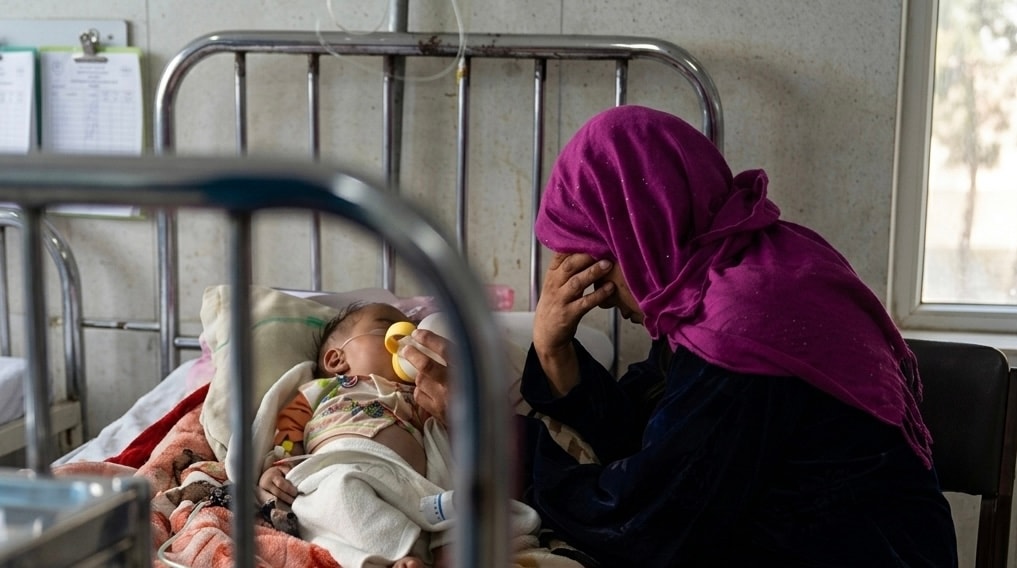
A new assessment by the REACH organization, supported by the United Nations, shows that malnutrition is increasing in 53 percent of areas across Afghanistan, while in 44 percent of areas, the number of malnutrition cases has doubled over the past three months.
According to the assessment, food insecurity has also increased across the country due to unprecedented rises in food prices. The rate of increase in malnutrition was recorded at 89 percent in Panjshir, 85 percent in Faryab, and 83 percent in Laghman.
The survey was conducted from May 10 to June 7 across 401 districts of Afghanistan, based on 12,854 interviews and information from reliable local sources.
The report says 21.9 million people, representing approximately 45 percent of the country’s total population, are in need of urgent humanitarian assistance. It also found that 55 percent of areas reported significant increases in food prices over the past 30 days, while 63 percent reported sudden price hikes in local markets.
In 87 percent of areas, people have resorted to selling their assets and livestock because of declining incomes and shortages of food. At the same time, 65 percent of areas identified food insecurity as a serious problem. Twenty-five percent of areas said that most of their residents had not been able to obtain sufficient food over the past month.
The assessment shows that in 60 percent of areas, children have been engaged in hazardous or heavy labor to help meet household expenses.
Economic hardship has also been identified as a major driver of displacement. Eighty percent of areas cited financial difficulties, while 79 percent identified unemployment and poverty as among the main reasons people have been forced to leave their homes. Food shortages, drought, lack of basic services, conflict, and floods were also cited as other major causes of displacement.
The report also refers to the forced return of Afghan refugees from Iran and Pakistan. Nearly half of the surveyed areas said they had received people returning from these countries; however, 57 percent reported that the returnees had received no humanitarian assistance after their return.
Needs have also increased as a result of flooding. Fifteen percent of areas reported that homes had been destroyed by floods, with Uruzgan, Samangan, and Baghlan identified as the most severely affected provinces.
In the health sector, shortages of medicines and medical equipment, high treatment costs, and a lack of qualified healthcare personnel remain among the major challenges. Seventeen percent of areas reported that women face difficulties accessing health facilities because of long distances and existing restrictions.
The REACH assessment comes as Afghanistan’s humanitarian situation continues to deteriorate. Only 29 percent of the surveyed areas reported receiving humanitarian assistance over the past three months, down from 37 percent in March.
Writer:Saeed Sameer