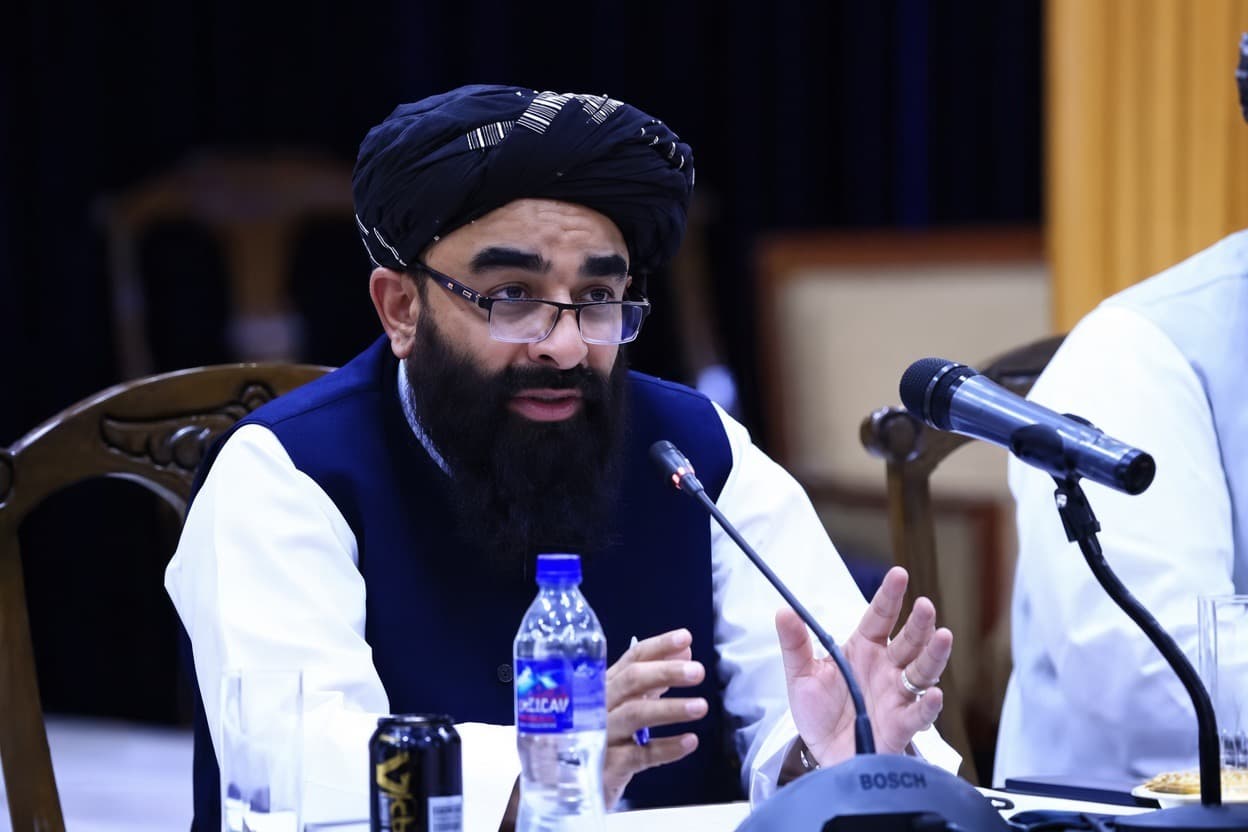
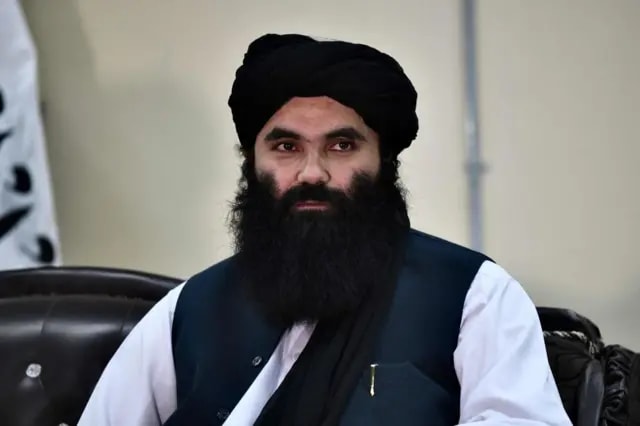
The Taliban’s Interior Minister, Sirajuddin Haqqani, says that the Taliban entered Kabul “victoriously” and that, according to him, the Doha Agreement with the United States paved the way for the withdrawal of “occupying forces.”
Haqqani made the remarks in a video message marking the fifth anniversary of the Taliban’s return to power. He said the Taliban reached Kabul as a result of “great sacrifices” and reached an agreement with the United States through the Doha Agreement.
He claimed that the Taliban entered Kabul with “armies of amnesty” and have so far held no one accountable for their past actions. This comes despite complaints from a number of former military personnel and government employees of the previous republican government, who have reported arrests, torture, and killings following the Taliban’s takeover.
Haqqani also attributed Afghanistan’s current security situation to the performance of the Taliban’s security forces, saying that the group would not allow Afghanistan to once again experience the presence of foreign forces or security-related problems.
The Taliban’s Interior Minister said they are engaged in dialogue with the international community and are seeking solutions to the country’s existing challenges. At the same time, he criticized groups that, according to him, are attempting to create instability in Afghanistan with support from foreign countries.
Haqqani warned that anyone attempting to attack Afghanistan should learn from the fate of previous invaders.
He emphasized dialogue and traditional jirgas as a means of resolving Afghanistan’s problems, saying that Afghans resolve their differences through “dialogue and negotiations.”
Haqqani’s remarks come amid claims of increased activity by several armed opposition fronts against the Taliban. The Taliban accuse Pakistan of providing weapons and safe havens to their opponents, while Islamabad has rejected these allegations.
Meanwhile, the Taliban continue to face a lack of broad political relations with the international community. The group’s restrictions on women’s employment, girls’ education, freedom of expression, and other civil rights remain among the international community’s major areas of concern and criticism.
Writer:Saeed Sameer