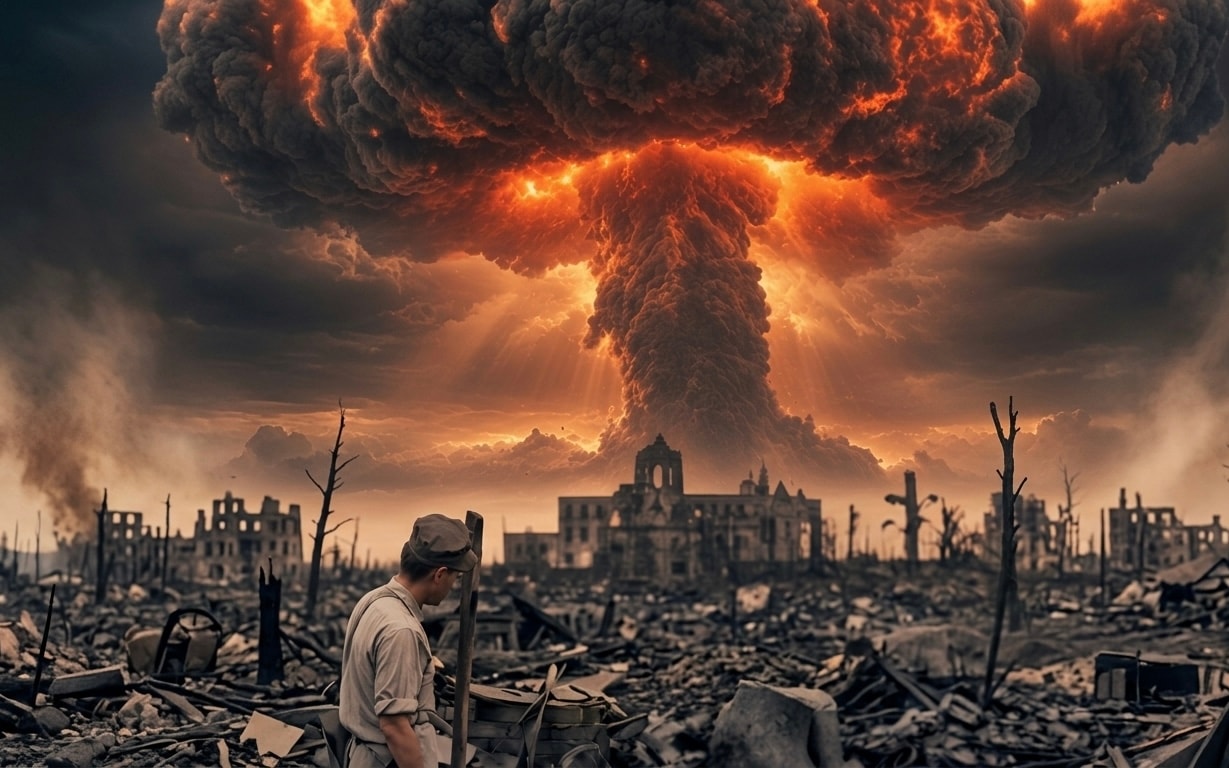
United Nations Secretary-General António Guterres, in a message marking the 81st anniversary of the atomic bombing of Hiroshima, stressed the need to prevent the recurrence of nuclear catastrophes, but did not directly mention the United States’ role in the attack.
In his message, Guterres said the world must ask itself whether it has learned the bitter lessons of the past 81 years or whether it will continue to live under the shadow of the threat of nuclear annihilation.
The UN chief warned that rising political tensions, declining trust among nations, and growing military competition have placed the mechanisms designed to prevent a nuclear catastrophe under severe strain.
As in previous years, Guterres also refrained from directly naming the United States as the country responsible for the atomic bombings of Hiroshima and Nagasaki in his annual commemorative message.
In the final days of World War II in 1945, the United States carried out atomic bomb attacks on the Japanese cities of Hiroshima and Nagasaki. The two bombings remain the only instances in human history in which nuclear weapons have been used in warfare.
According to reports, the atomic bombing of Hiroshima claimed tens of thousands of lives on the first day alone, with the death toll rising to approximately 140,000 by the end of 1945. The humanitarian and health consequences of the attack continued to affect subsequent generations.
Despite widespread international criticism, U.S. officials have consistently justified the bombings on military grounds and have declined to accept moral responsibility for the attacks.
At this year’s memorial ceremony, Japanese officials, including the prime minister and the mayor of Hiroshima, also emphasized the devastating consequences of nuclear weapons and the need to prevent such tragedies from happening again, without directly naming the United States in their speeches.
Writer:Salima Aryaei