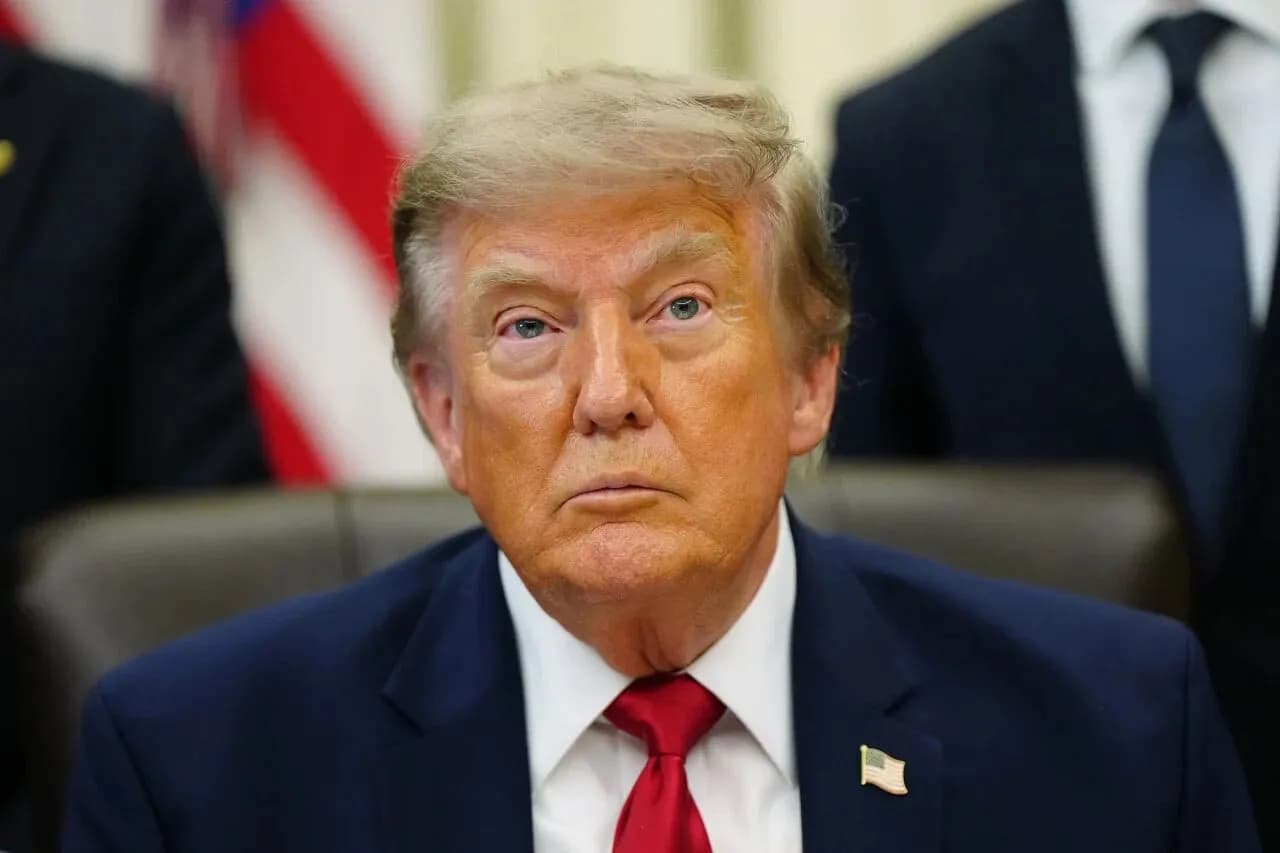
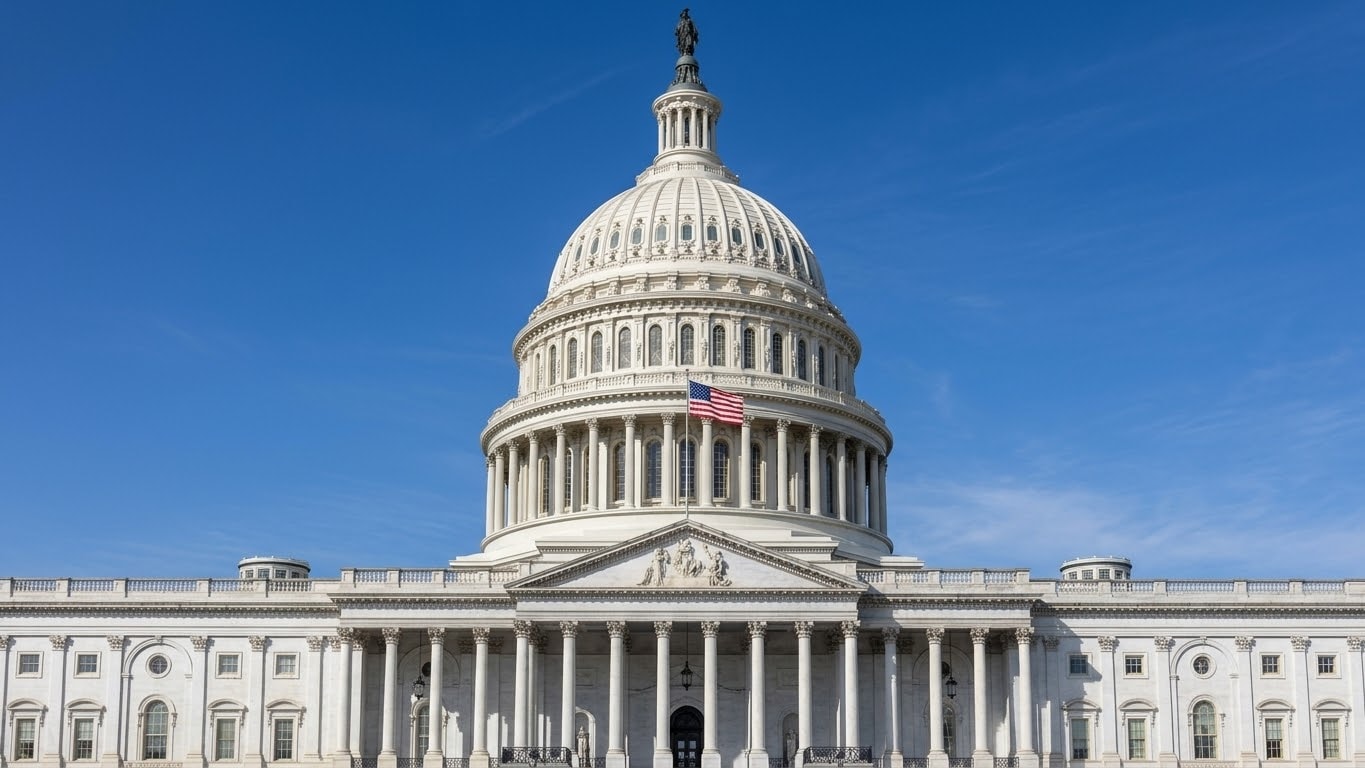
The November 3, 2026, US midterm elections represent more than just a contest for seats in Congress. They are also a test of public support for Donald Trump and the policies pursued during the first two years of his second presidential term. The outcome will determine whether Republicans retain control of both chambers of Congress or whether Democrats can regain some of their legislative power.
The rising cost of living, increasing fuel prices, the consequences of trade tariffs, disagreements over the war with Iran, and declining approval ratings for Trump are among the key issues shaping the American electoral landscape. Democrats are seeking to capitalize on growing public dissatisfaction with these developments.
Republicans currently hold 219 seats in the House of Representatives, while 218 seats are required to maintain a majority. Democrats, meanwhile, must win several additional seats to gain control of the chamber. According to some assessments, Democrats could make significant gains in this contest, although nationwide opinion polls alone cannot determine the final outcome of individual congressional districts.
The situation in the Senate is more challenging for Democrats. Republicans hold 53 seats, while Democrats, together with independent senators, control 47 seats. Democrats need to gain four additional seats to secure a majority, a goal that will depend on the outcomes of closely contested races in key states such as Maine, North Carolina, Ohio, Alaska, and Kansas.
If Democrats gain control of the House of Representatives, they could intensify congressional oversight of the Trump administration and expand investigations into federal departments and agencies. Immigration policies, deportation operations, the activities of the Department of Justice, and the allocation of federal spending are among the issues that could come under greater scrutiny.
A change in the House majority could also complicate the budget approval process. Disagreements over funding for healthcare, education, defence, and federal agencies responsible for immigration could heighten tensions between Congress and the White House and potentially lead to a partial shutdown of the federal government.
The possibility of impeaching Trump could also resurface if Democrats secure an electoral victory. However, initiating impeachment proceedings does not automatically result in a president’s removal from office. Conviction and removal require a two-thirds majority vote of senators present in the Senate.
Maintaining control of the Senate is particularly important for Trump, as the chamber is responsible for confirming Cabinet members, ambassadors, and federal judges. If Democrats gain a majority, the confirmation of Trump administration nominees could face greater opposition and significant delays.
Furthermore, US policy towards Iran and Ukraine, the costs of military operations, and trade tariffs could become subjects of increased congressional scrutiny and debate. Although the president enjoys broad executive authority in foreign policy and government affairs, Congress can influence presidential decisions through legislation, budgetary allocations, and congressional oversight.
This year’s midterm elections are also significant in the context of the 2028 presidential race. Their outcome could strengthen or weaken the political standing of both parties as they prepare for the next presidential election.
Overall, if Democrats gain control of either chamber of Congress or both, the Trump administration is likely to face greater political scrutiny and legislative constraints during the final two years of his presidency. Conversely, if Republicans retain their majorities, Trump will have greater room to advance his political agenda with fewer congressional obstacles.
Writer:Roya Stanikzai