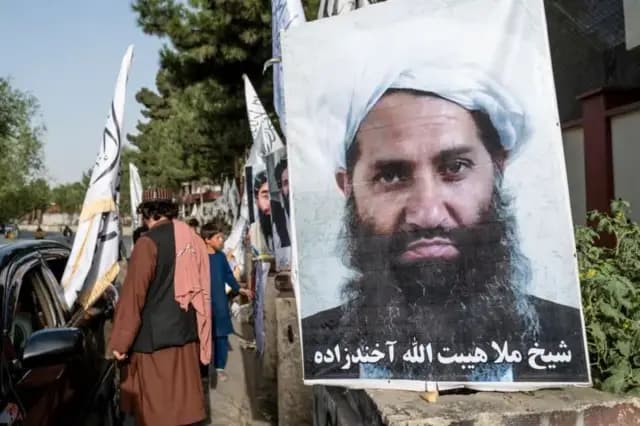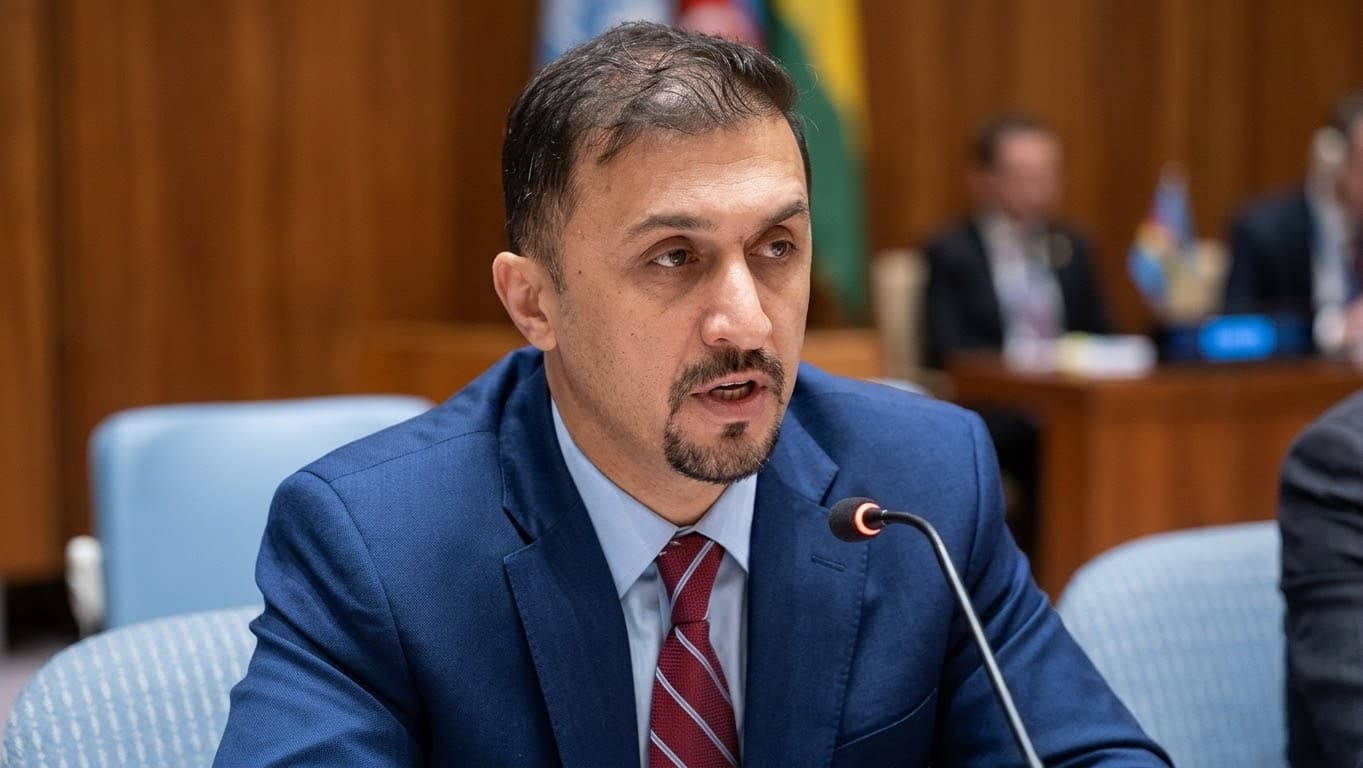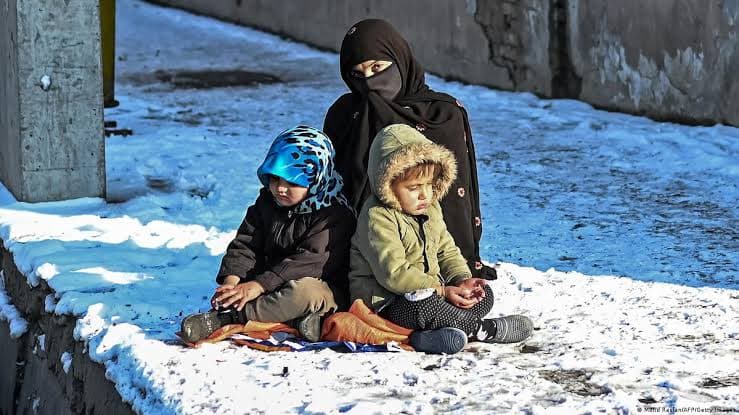
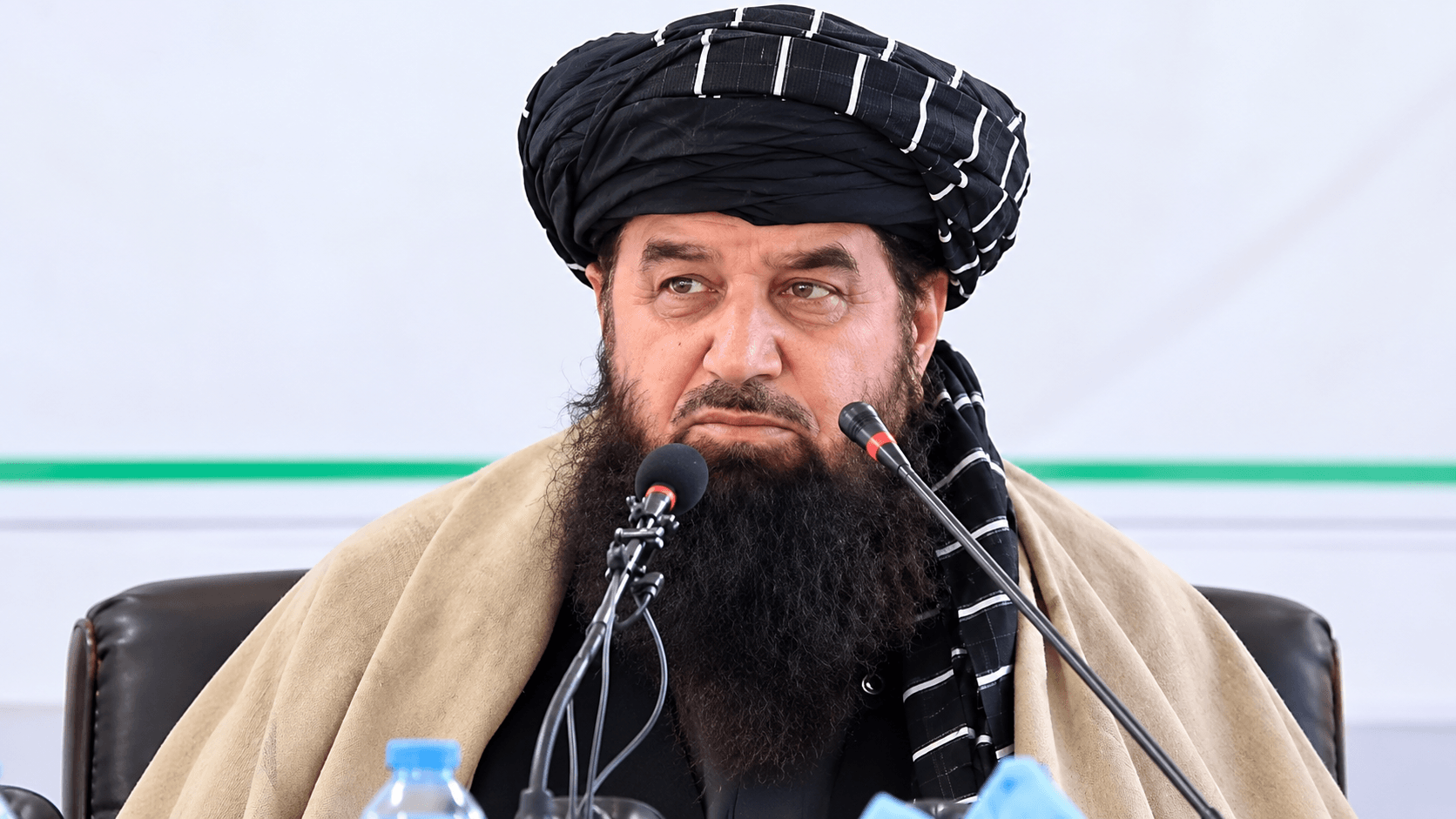
Taliban minister of justice Abdul Hakim Sharaei has stated that Hibatullah Akhundzada, the group’s supreme leader, is the spiritual father of Afghans and all Muslims, and that, like a father, he has the authority to order women to cover their faces.
Sharaei described those who criticize the Taliban’s laws as “human devils,” adding that even some members of the group have expressed criticism of these laws.
As an example, he referred to the law of the Ministry for the Propagation of Virtue and Prevention of Vice, saying that one Taliban member had questioned the use of the term “hijab” to describe the requirement for women to cover their faces under the law.
According to Sharaei, he explained to the individual that the inclusion of the face-covering requirement in the law was based on “expediency” and considerations of public interest. To justify his position, he drew an analogy between a father and his daughter, stating that just as a father may advise his daughter to cover her face when leaving the house, Hibatullah, as the spiritual father of Afghans and Muslims, also has the authority to issue such an order.
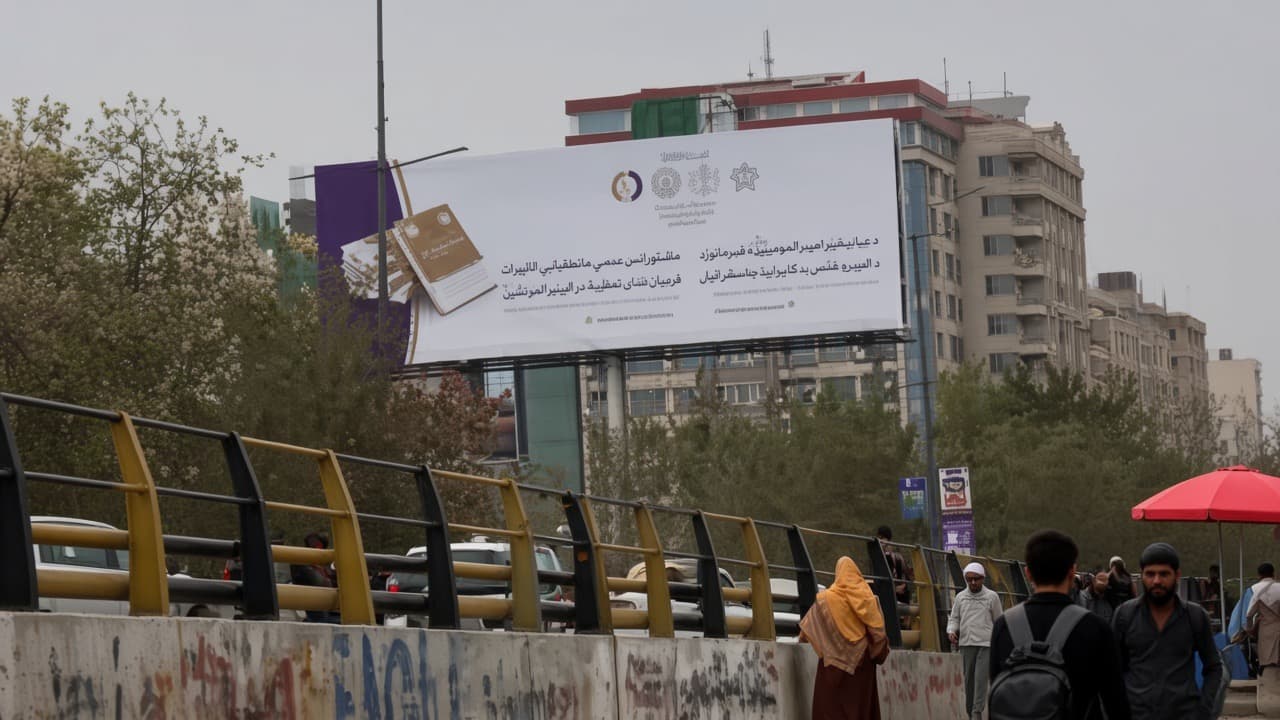
The Taliban’s Minister of Justice further claimed that the collection of decrees issued by Hibatullah Akhundzada, together with the Ministry of Justice’s official gazette, is sufficient for studying Islamic rulings. In his view, studying these documents eliminates the need to attend other religious seminaries.
Meanwhile, a number of religious scholars have criticized the Taliban, arguing that some of the group’s laws are based not on established religious rulings but on personal interpretations and considerations of expediency. They maintain that the Taliban impose these laws on the population in the name of religion and punish those who fail to comply.
Writer:Saeed Sameer