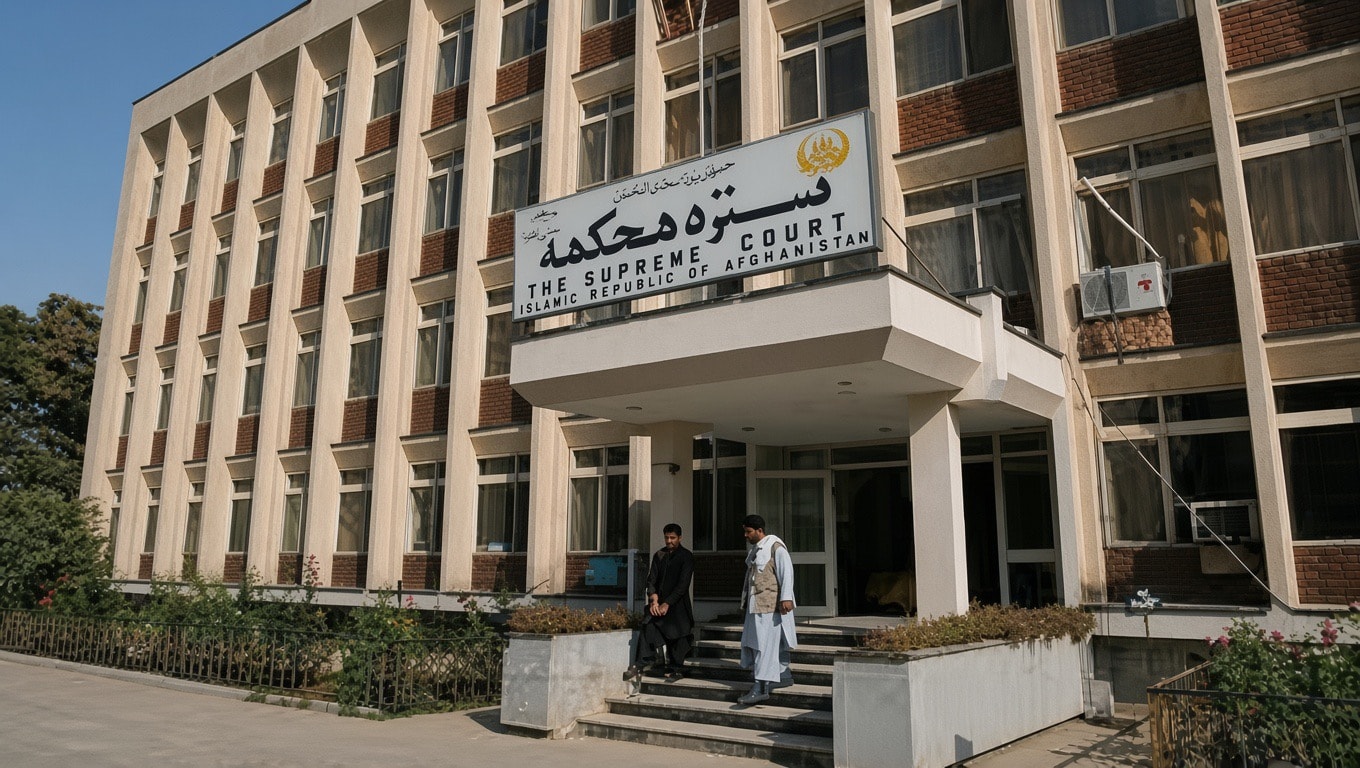
The French newspaper Le Monde has reported that following the Taliban’s return to power, Afghanistan’s judicial system has undergone a major transformation, leaving female lawyers facing serious obstacles in continuing their professional activities and defending their clients in court.
According to the report, after regaining control of Afghanistan in August 2021, the Taliban revoked the practising licences of female lawyers. Since then, women seeking to practise law have been required to obtain special authorisation from court judges, a process marked by rejected applications, humiliating treatment and numerous restrictions.
Le Monde, citing an Afghan lawyer identified by the pseudonym Shakiba, reported that she spent nearly six months trying to obtain permission to represent a client in a document forgery case. However, Taliban judges repeatedly rejected her applications. She eventually secured permission after her client told the judge that, having previously been deceived by a male lawyer, he trusted only a female lawyer.
To obtain the authorisation, Shakiba went to court accompanied by her husband and two male colleagues and also presented two witnesses.
The newspaper reported that the Taliban have abandoned the laws in force during the former republic, dismissed a number of former judges and replaced them with individuals trained in religious studies. The institution of the public prosecutor’s office and the role of prosecutors have also been abolished, leaving judges to assume both the responsibility for pursuing cases and the authority to make final decisions.
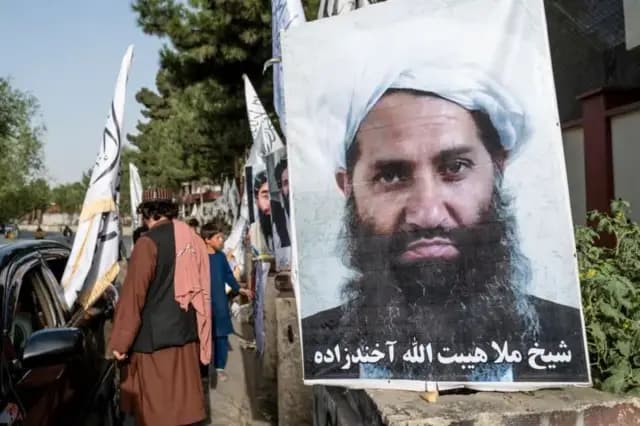
According to Le Monde, the Taliban’s new penal code, published in February this year, is based on the Quran, the Sunnah and Hanafi jurisprudence. Kate Clark, a researcher at the Afghanistan Analysts Network, said that certain provisions of the code serve to strengthen the powers of Taliban leader Hibatullah Akhundzada. Under the code, disobeying the leader’s orders and insulting religious scholars can also result in criminal punishment.
An Afghan lawyer identified by the pseudonym Sami told Le Monde that the lack of clarity surrounding the new laws and procedures has made legal practice increasingly difficult. According to him, forensic investigations, forensic medical examinations and technical and computer-based tests have been suspended in many cases. Instead, courts increasingly rely on witness testimony, the reputation of defendants and agreements reached between families.
Citing an example from a murder case, Sami said that the judge had requested testimony from approximately 20 people about the defendant’s character and reputation to assess his background. By contrast, he explained, the previous judicial system also relied on evidence such as fingerprints, DNA testing and the examination of telephone records.
The Le Monde report also states that the Taliban’s new penal code prescribes limited penalties for certain forms of domestic violence. According to the report, a man who seriously injures his wife faces a prison sentence of just 15 days. Women who repeatedly leave their homes without their husbands’ permission may also face punishment.
Shakiba said that female complainants in domestic violence cases face obstacles even when seeking medical examinations of their injuries, while their access to forensic medical services has become severely restricted.
She also recounted the case of a woman who, after her husband cut off contact with her, was unable to obtain a divorce despite pursuing legal action for nearly a year.
Another section of the report examines the situation of judges who served under the former republic. A former judge identified by the pseudonym Homayoun said that following the Taliban’s return to power, he spent several months living in hiding because of security threats. He now works as a taxi driver in Kabul.
He added that several of his former colleagues were killed after the Taliban took power. According to Homayoun, although the Taliban have invited former judges to apply for practising licences and return to work, he does not trust the offer and remains concerned about the potential consequences.
Writer:Roya Stanikzai