Credible sources say that differences of opinion have emerged among senior Taliban military and security commanders over the fighting in Nasi District of Badakhshan and the operation against Jumakhan Fateh.
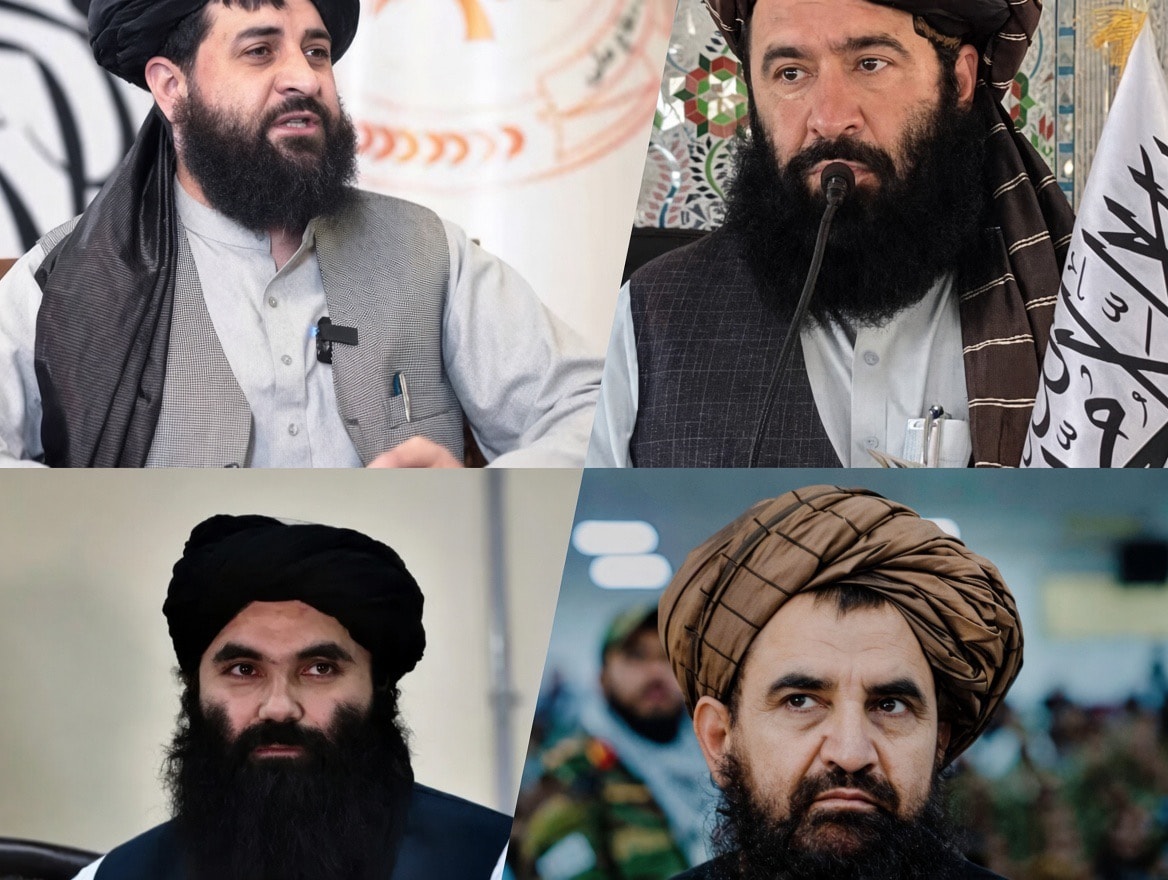
According to the sources, Mullah Mohammad Yaqoob Mujahid, the Taliban’s Minister of Defense; Sirajuddin Haqqani, the Minister of Interior; and Abdul Haq Wasiq, the head of intelligence, are dissatisfied with the actions of Tajmir Jawad, deputy head of the intelligence agency. The sources say that Tajmir Jawad moved to disarm Jumakhan Fateh without coordinating with the aforementioned security institutions.
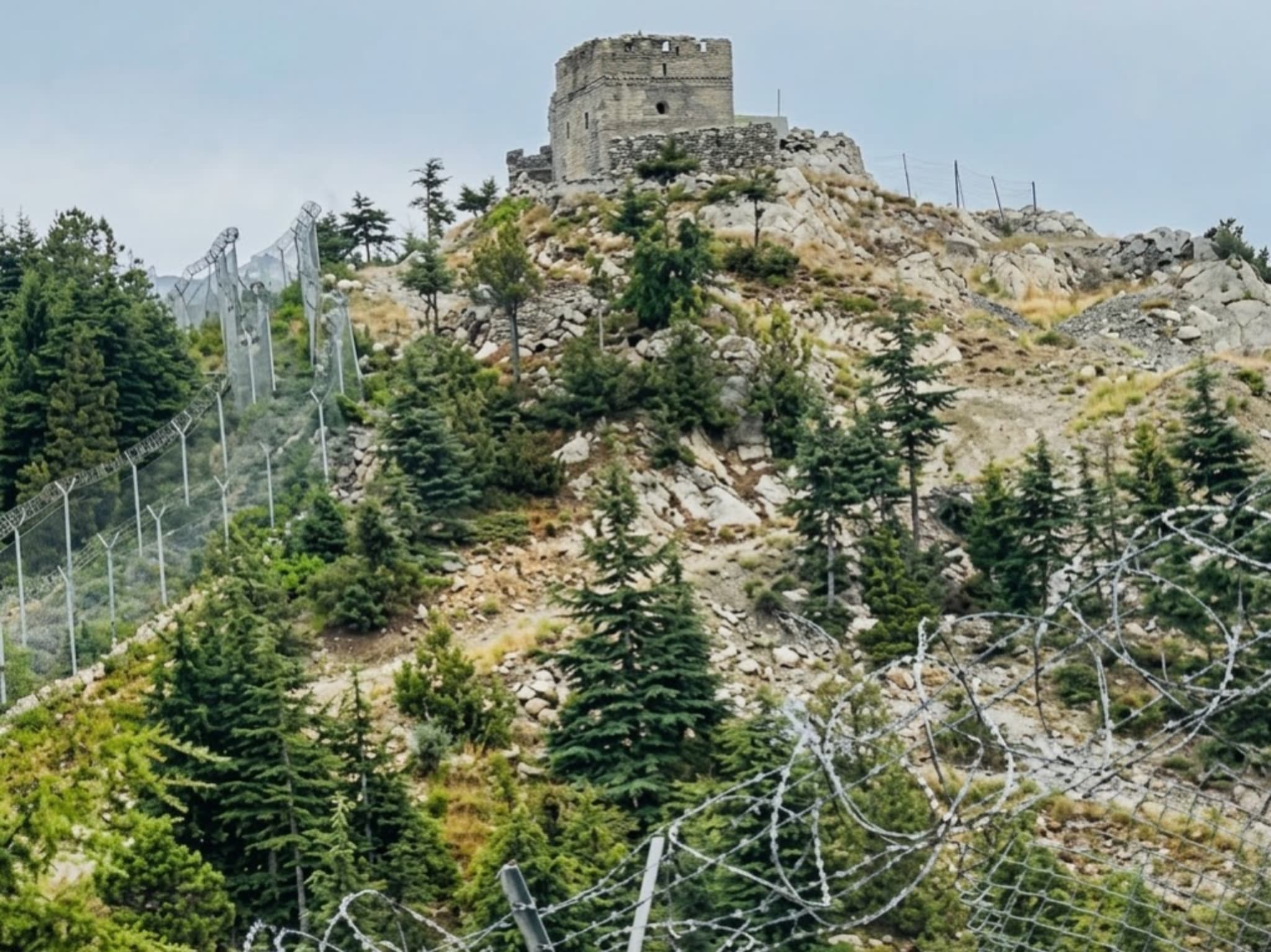
According to the information, around 300 Badri special forces were deployed to the area on Tuesday on Tajmir Jawad’s orders. The stated objective of the deployment was to disarm “undesirable” individuals and local armed groups. However, forces under the command of Jumakhan Fateh resisted, and clashes broke out.
Sources say that a number of Taliban Badri forces were killed and others wounded during the clashes. According to one source, the troops’ unfamiliarity with the area and their lack of sufficient information about local conditions and complexities were among the main factors contributing to the casualties.
According to the sources, Jumakhan Fateh sent a message to Fasiuddin Fitr, the Taliban’s Chief of Staff, and the Minister of Defense, asking whether the operation ordered by Tajmir Jawad had been carried out with their knowledge and approval.
The sources add that the Minister of Defense and the Chief of Staff responded that they had not been aware of the operation and had received no information about it.
According to the source, the Taliban now regard the situation in Nasi District as a “test case and a decisive matter,” as its outcome could influence the Taliban’s future security and military decisions.
The sources say that if Jumakhan Fateh is killed or arrested, the Taliban would be able to reassert control over the situation in the area. However, if the operation fails, the Taliban could face serious political and security pressure.
The sources also warn that the recent clashes in Badakhshan could become a starting point for the emergence of anti-Taliban fronts in other parts of Afghanistan.
Writer:Saeed Sameer