Escalating tensions between Tehran and Washington, coupled with rising oil prices, have boosted global demand for the U.S. dollar as a safe-haven asset. Meanwhile, the Japanese yen remains near its weakest level in four decades.
The U.S. Dollar Index (DXY), which measures the dollar against a basket of major currencies including the euro and the yen, held steady at 101.11 on Thursday, July 23. The index reflects stronger investor demand for the dollar amid heightened uncertainty in global financial markets.
The renewed escalation between the Iranian government and the United States, alongside higher oil prices, has intensified concerns over rising global inflation. In response, many investors have turned to the U.S. dollar as a safe-haven asset to reduce risk exposure.
Brent crude oil futures climbed more than 1.3 percent to $95.31 per barrel after the U.S. military announced that it had launched a new round of strikes against the Iranian government.
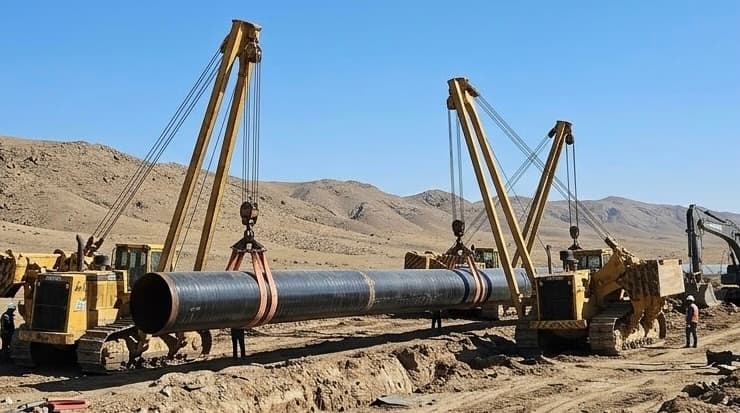
At the same time, the Iran-aligned Houthi movement said it had targeted two Saudi oil tankers in the Red Sea as part of what it described as its maritime blockade of Saudi Arabia. The incident has heightened concerns over the potential for further disruptions to oil shipments through the Red Sea.
The continued hostilities and the growing risk of supply disruptions come as global oil and natural gas inventories have declined compared with levels at the onset of the conflict five months ago. This has increased the likelihood of shortages in global energy markets and added to broader economic concerns.
Joseph Capurso, Head of International and Sustainable Economics at Commonwealth Bank of Australia, told Reuters that declining energy inventories mean the longer the conflict persists, the greater the risk of oil and gas shortages.
According to Capurso, higher energy prices are likely to place additional pressure on the global economy while strengthening the U.S. dollar. He also warned that a prolonged conflict could lead to increased volatility across global financial markets.
Rising oil prices have also affected the U.S. bond market. The yield on the two-year U.S. Treasury note climbed on Wednesday to its highest level in 17 months, reflecting growing investor concerns about the inflation outlook.
Investors fear that higher energy costs could intensify inflationary pressures and increase the likelihood that the Federal Reserve will raise interest rates again. Expectations that the central bank could adopt a more hawkish monetary policy at its meeting next week have also provided additional support for the U.S. dollar in global markets.
Writer:Salima Aryaei