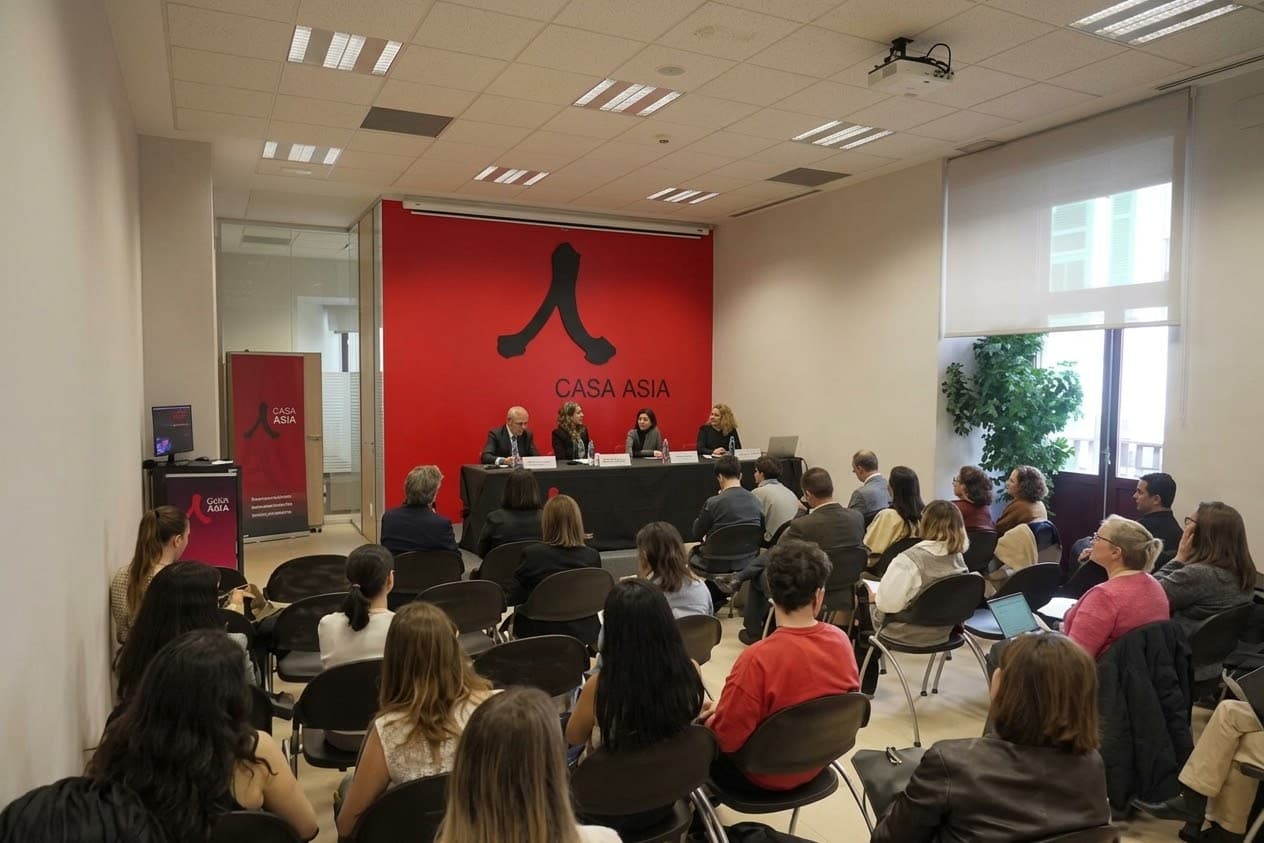
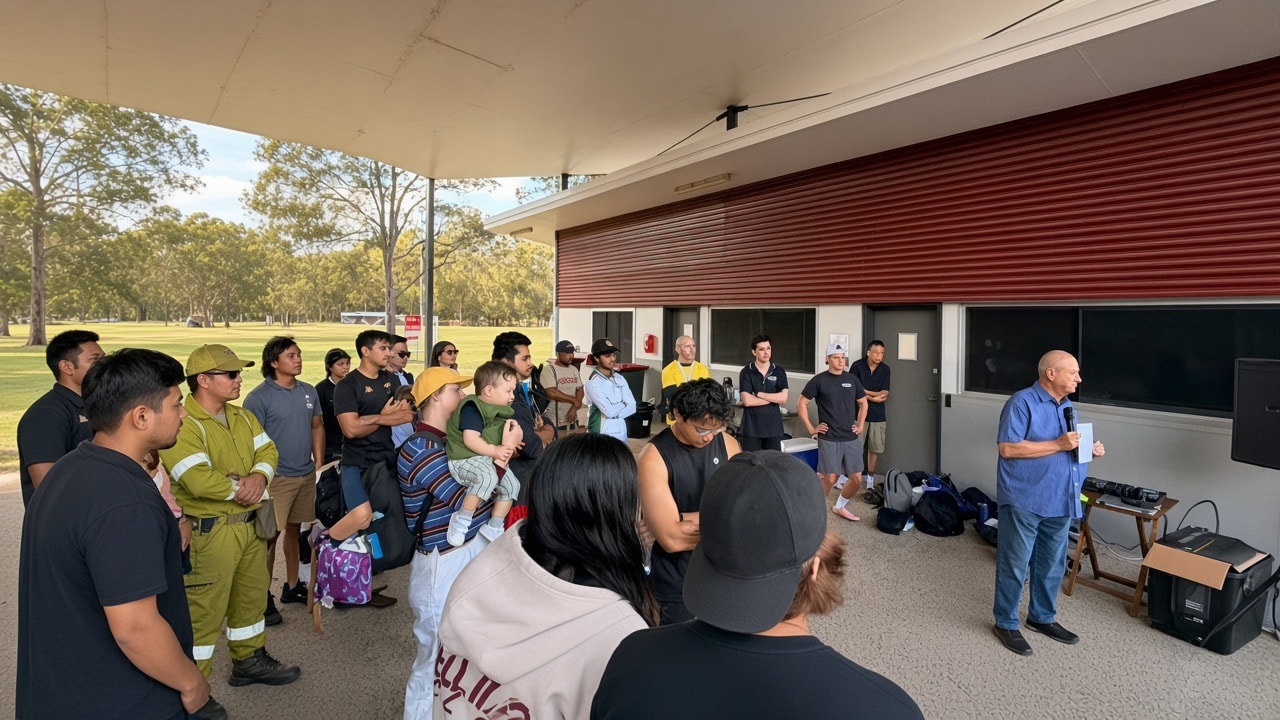
Afghan human rights activist and freelance journalist Jahanzeb Wisa attended the “Peace Cup” program in Australia, where he spoke about the situation of the people of Afghanistan, with particular emphasis on the difficult circumstances facing Afghan women and girls. The event was organized by the United Nations Youth sector in Australia, in cooperation with and with the support of a number of reputable organizations, institutions, and communities.
Dozens of young people, professors, students, social activists, representatives of various communities from different countries, and guests from across Australia attended the program. A number of members of the Queensland Parliament, representatives of civil and community organizations, and university representatives also participated in the event.
At the invitation of the organizers, Jahanzeb Wisa addressed the program and spoke about the critical and deeply concerning situation in Afghanistan, particularly the circumstances of women and girls. He sought to amplify the voices of women who have been deprived of their fundamental rights and bring their experiences to the attention of representatives of different communities and participants at the event.
During the program, Wisa also presented and displayed a collection of photographs and materials highlighting the situation of women and girls in Afghanistan. The images depicted women working in the media, girls deprived of access to schools and universities, women engaged in social activities and sports, and others facing severe restrictions, pressure, and threats.
Alongside the presentation of these images, Wisa provided an account of the realities of daily life for Afghan women and girls. He explained to participants the impact of being deprived of education, employment, sports, social participation, and fundamental freedoms, while emphasizing the need to maintain and strengthen international support for them.
In his remarks, he also addressed the difficult and alarming circumstances facing Afghan women, girls, journalists, and civil society activists many of whom continue to face serious threats and risks because of the prevailing conditions in Afghanistan and remain in need of support from the international community.
The human rights activist called on officials and representatives attending the event, particularly members of the Australian Parliament, representatives of the United Nations Youth sector, and other civil and community organizations, to serve as a voice for the people of Afghanistan, especially women and girls. He urged them to play a more active role in supporting education, empowerment, humanitarian assistance, and the protection of their human rights.
He also called on the representatives to use their positions and institutional capacity to increase Australia’s humanitarian support for at-risk Afghans and to work toward creating greater opportunities for humanitarian visas, particularly for women and girls who have been deprived of education, employment, sports, and many of their fundamental freedoms.
Another part of his speech focused on Afghans living in Pakistan, Iran, and other countries who are awaiting the processing of their humanitarian cases. According to Wisa, many of these individuals have been living for extended periods in difficult, uncertain, and vulnerable circumstances and are in urgent need of meaningful support and attention.
He urged the officials and organizations present to also serve as a voice for these individuals and to work toward expanding humanitarian assistance and accelerating the processing of their cases, so that at-risk Afghans particularly women and girls can have the opportunity to live in a safe environment where their fundamental human rights are respected.
At the conclusion of the event, Wisa, emphasizing the slogan “Let Afghan Girls Learn,” called on participants to stand with the women and girls of Afghanistan and to ensure that their deprivation of education, employment, sports, and fundamental freedoms does not become a forgotten crisis.
He also called on the media to pay close attention to the situation of the people of Afghanistan, particularly Afghan women and girls and other Afghans at risk, and to help bring their stories to the attention of Australian society and the international community.
Writer:Salima Aryaei