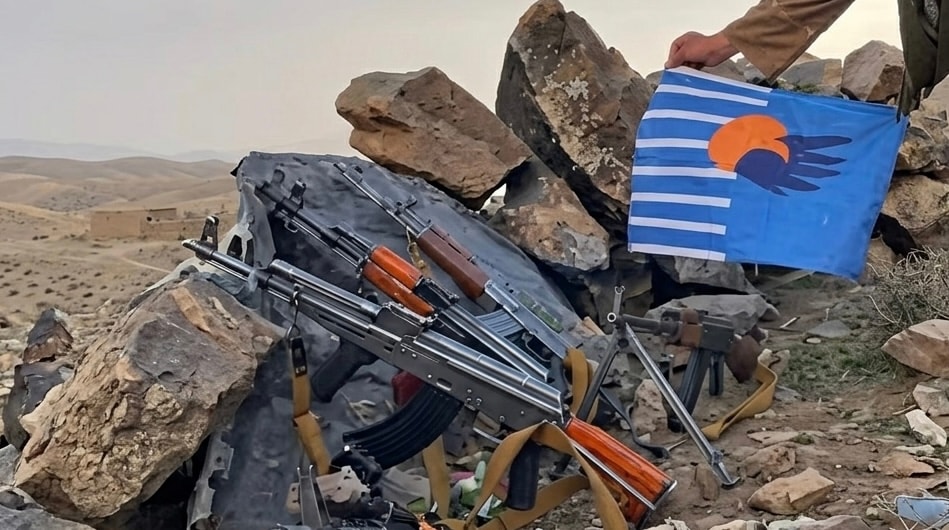
Three days after the brief fall of Yaftal district to the Jebha-ye Sepah-e Mihan (Homeland Army Front), an Australian think tank published a report on the “broader competition for control of Badakhshan.” In a report released on Monday, 29 Saratan, the Lowy Institute of Australia stated that Badakhshan has become a significant test for the Taliban’s consolidation of power.
Lynne O’Donnell, a journalist and analyst with the institute, wrote that after returning to power in Afghanistan, the Taliban are now facing a more complex phase one in which they are seeking to strengthen their control over revenue sources and local centres of influence across the country.
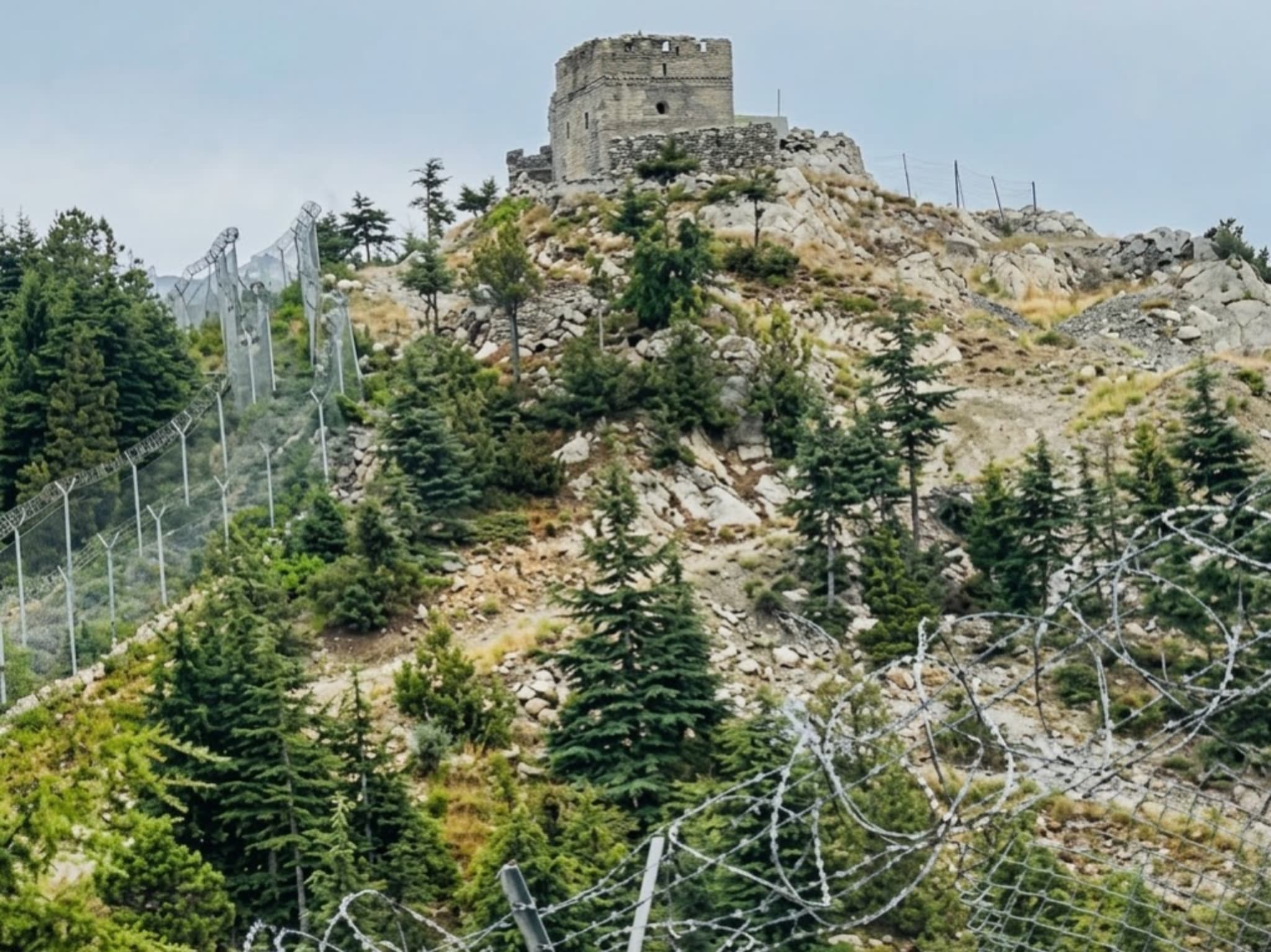
According to O’Donnell, the importance of Badakhshan extends beyond its geographical location. The province’s valuable deposits of gold, gemstones, and lead, along with its borders with China, Pakistan, and Tajikistan, have made it one of the most important areas of competition.
The report states that the dispute between Jumakhon Fateh and Haji Bashir Noorzai is not merely related to the management of mines; rather, it is part of the Taliban leadership’s broader effort to increase direct control over remote provinces and reduce the influence of local power figures.
The Lowy Institute also noted that following the ban on poppy cultivation and the decline in revenues associated with opium production and trafficking, mineral resources have gained greater importance for the Taliban. According to the analysis, Badakhshan’s mines have become a significant source of income, intensifying competition over their management and exploitation.
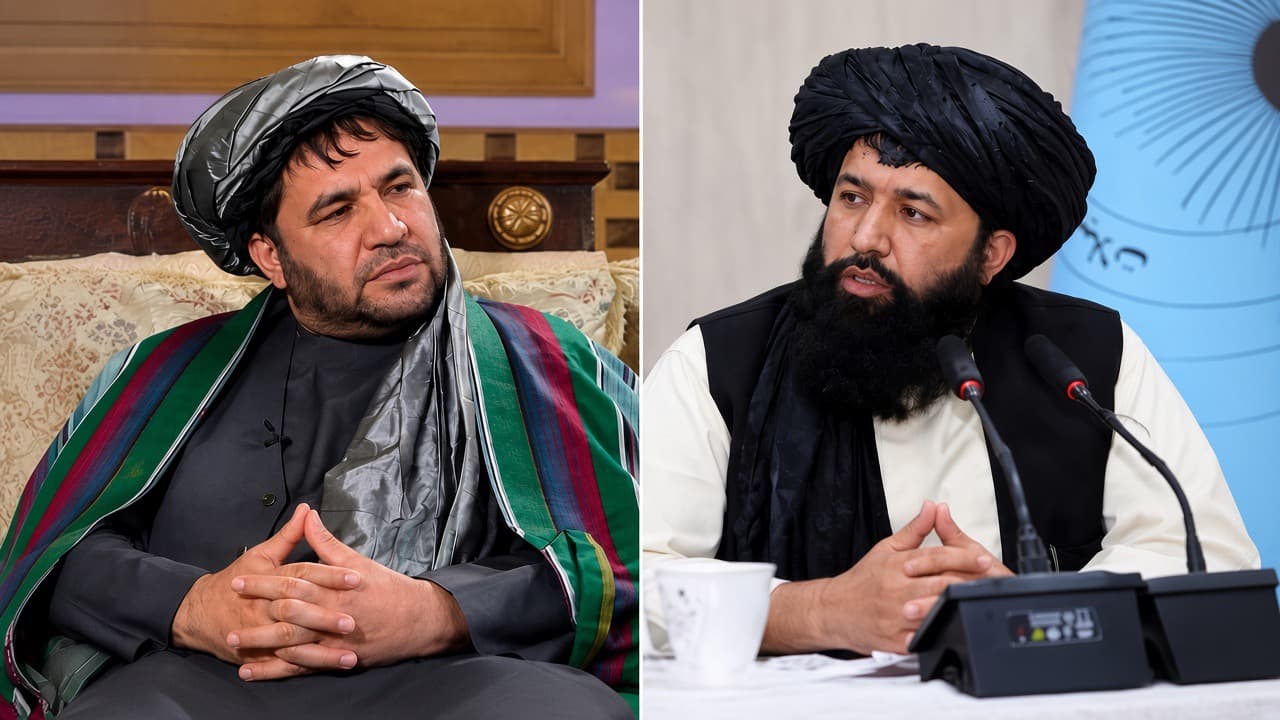
The report describes the confrontation between Jumakhon Fateh, an influential Taliban commander in Badakhshan, and Haji Bashir Noorzai, a figure close to Taliban leader Hibatullah Akhundzada, as an indication of the leadership’s efforts to curb local centres of power in the provinces.
The Lowy Institute added that the detention of Jumakhon Fateh and his subsequent release after pledging allegiance to the Taliban leadership demonstrate that the group’s central authorities are attempting to resolve internal disputes through political management rather than through widespread military confrontation.
The analysis was published as senior Taliban officials, including Mohammad Yaqoob Mujahid, the Taliban’s Defence Minister, and Fasihuddin Fitrat, the group’s Chief of Army Staff, have made several visits to Badakhshan in recent months. These visits have taken place amid rising security tensions, the emergence of armed opposition groups against the Taliban, and disputes over the management of mines and control of the province.
Writer:Salima Aryaei