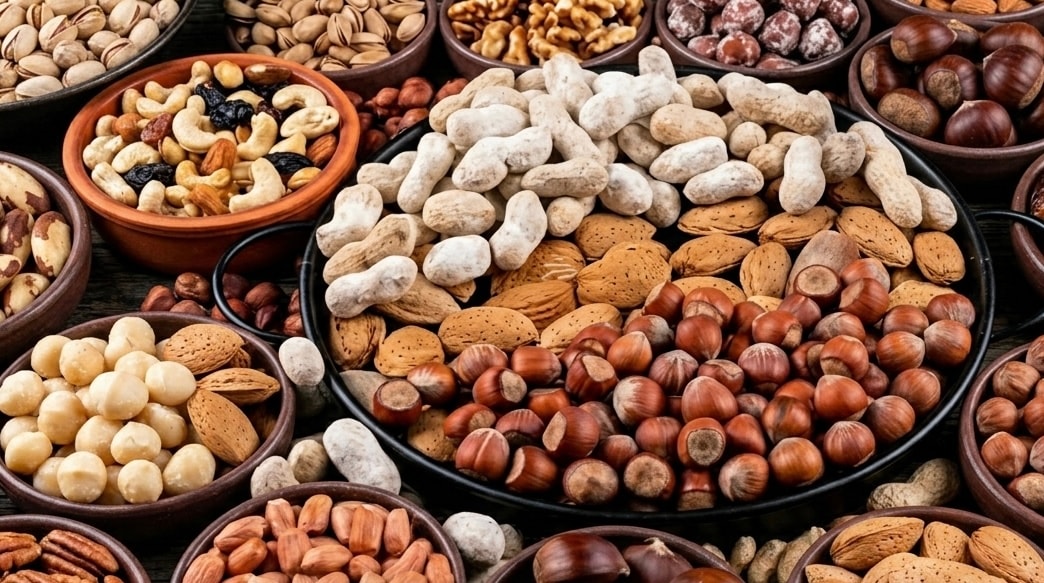
Dry fruit traders in Kandahar say that the closure of transit routes has severely disrupted Afghanistan’s dry fruit exports, leaving large quantities of figs, cumin, basil, and pomegranate seeds to spoil in warehouses.
Abdul Salam, a trader who has been active in the sector for the past 13 years, says export delays have left his products stranded in storage, with more than half of them deteriorating. According to him, the price of one Seer (7 Kilogram ) of dried figs has dropped sharply from 3,000 Afghanis to just 800 Afghanis.
Another trader, Haji Jan Mohammad, warns that unless transit routes are reopened promptly, even larger volumes of dry fruit will be lost, inflicting heavy financial losses on traders.
The Afghanistan Chamber of Commerce attributes the export challenges primarily to the closure of transit routes and the ongoing crisis in the Middle East.
Meanwhile, according to a report by the World Trade Organization, Afghanistan’s trade deficit has risen to unprecedented levels since 2021, reaching US$9.4 billion during the first ten months of 2025. Although the Taliban have identified Central Asian countries and Iran as alternative trade routes and markets, traders argue that these destinations are unable to absorb the volume of Afghanistan’s fresh and dried fruit exports.
Writer:Saeed Sameer