Amid a significant rise in the prices of fuel and essential goods in Afghanistan, the Taliban have attributed the main cause of this trend to regional developments and fluctuations in global markets. However, some citizens and economic experts argue that these factors represent only part of the situation, and that weak market management, inadequate price monitoring, and insufficient consumer protection measures have also contributed to the rising cost of living.
Mohammad Nabi Bahar, spokesperson for the Taliban-managed Oil and Gas Company, said on Thursday, 1 Asad, that regional tensions, reduced supply in global markets, increased transportation costs, and rising demand are among the key factors behind the increase in the prices of liquefied petroleum gas (LPG) and petroleum products in Afghanistan. He added that the company is supplying fuel through its authorized representatives at officially determined prices in an effort to control costs.
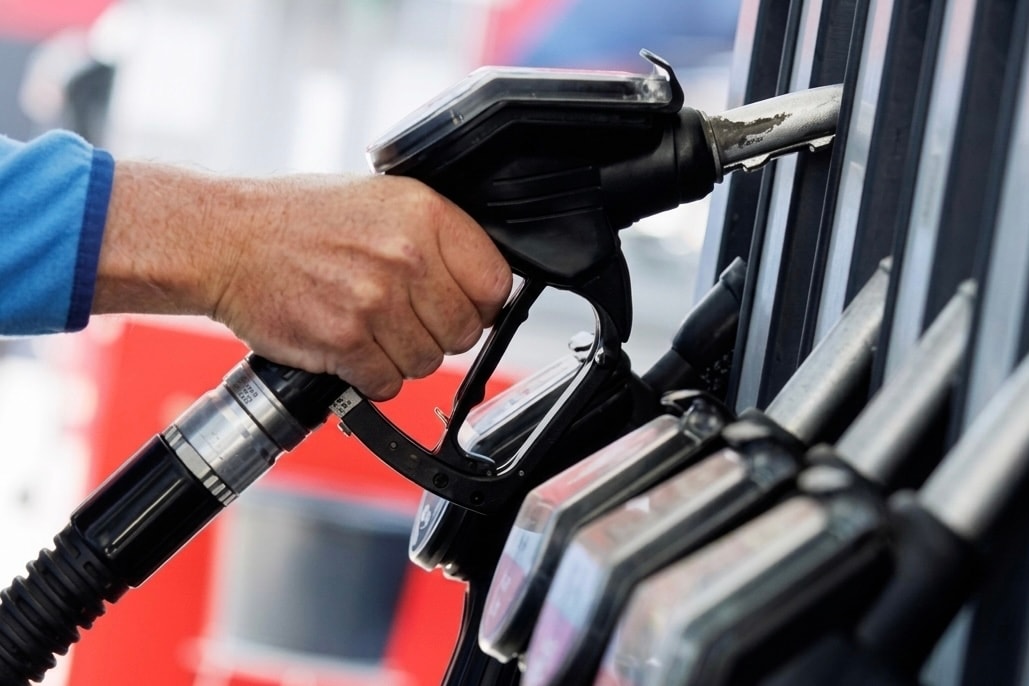
However, market assessments in Kabul indicate that actual prices continue to differ significantly from the official rates announced by the authorities. According to these assessments, the price of one kilogram of liquefied gas, which was around 55 Afghanis approximately one month ago, is now being sold in open markets for between 85 and 90 Afghanis. Similarly, the price of one liter of petrol has increased from 65 Afghanis to 82 Afghanis.
In addition to fuel, the prices of several essential commodities have also increased. The price of a 16-liter container of cooking oil has risen from 1,800 Afghanis to 2,100 Afghanis; a 25-kilogram sack of rice has increased from 2,500 Afghanis to 2,900 Afghanis; a sack of flour has risen from 1,500 Afghanis to 1,600 Afghanis; and the price of one seer of sugar has increased from 330 Afghanis to 400 Afghanis. These price hikes have placed additional economic pressure on Afghan households.
The Taliban have announced official LPG prices of 66 Afghanis per kilogram in Kabul and Parwan, 67 Afghanis in Badakhshan, 64 Afghanis in Balkh, and 60 Afghanis in Herat. However, some residents say these rates are not being followed in open markets and that there is no effective monitoring mechanism to prevent price gouging.
Economic experts emphasize that while regional developments and global market fluctuations can influence fuel prices, weak market management, the absence of effective price-control mechanisms, and the gap between official rates and actual market prices are also significant factors worsening economic hardships in Afghanistan.
According to these experts, unless effective market oversight and practical enforcement of official prices are established, attributing rising prices solely to external factors will not adequately address the growing concerns and difficulties faced by Afghan citizens.
Writer:Salima Aryaei