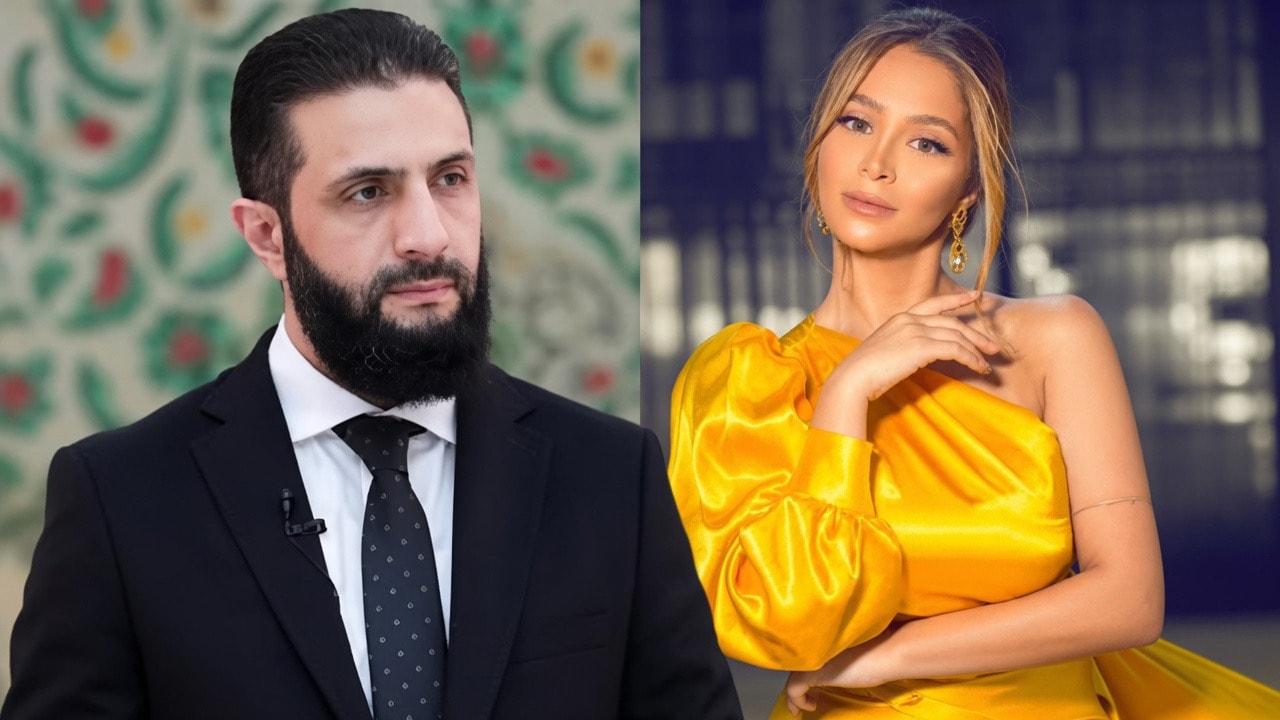
Syrian state television has announced that Rosina Ladhkani, a prominent actress in the country, has been appointed as a member of the new parliament by decree of Ahmed al-Sharaa, the President of Syria. According to Syrian electoral officials, these appointments have been made with the aim of ensuring gender and ethnic balance in the composition of parliament.
According to official sources, Ahmed al-Sharaa issued separate decrees appointing the final seventy members of the new Syrian parliament for the transitional period. This move has paved the way for the first parliamentary session, which is scheduled to be held next week.
With these appointments, the final composition of the 210-member Syrian parliament has been completed. Previously, two-thirds of the parliamentary seats were determined through regional elections, while the remaining one-third was filled directly under the president’s authority.
Among the seventy newly appointed members, there are fifteen women and thirteen former political prisoners from the era of Bashar al-Assad. Syrian officials say this composition has been formed with the aim of increasing the participation of various segments of society in the country’s political structure.
Mohammad Taha Ahmad, head of the Syrian High Electoral Commission, stated that the new list of members represents a combination of “experience and dedication” and includes representatives from diverse groups and local leaders from fourteen Syrian provinces.
Despite the completion of the parliament’s composition, the formation process has also faced challenges. Elections in the Suwayda province have not yet been held due to sectarian clashes last year, and voting in some northern regions of Syria has also been delayed.
Meanwhile, more than twenty Kurdish parties and fourteen Syrian civil groups have criticized the method of forming the parliament. These parties and groups argue that the direct appointment of one-third of the representatives by the president undermines the independence of parliament and increases executive influence over the legislative body.
However, Claudio Cordone, Deputy Special Envoy of the United Nations to Syria, described the country’s transitional period as sensitive, stating that the commencement of parliament is of particular importance for passing new laws and ensuring that the voices of all segments of Syrian society are heard.
Writer:Salima Aryaei