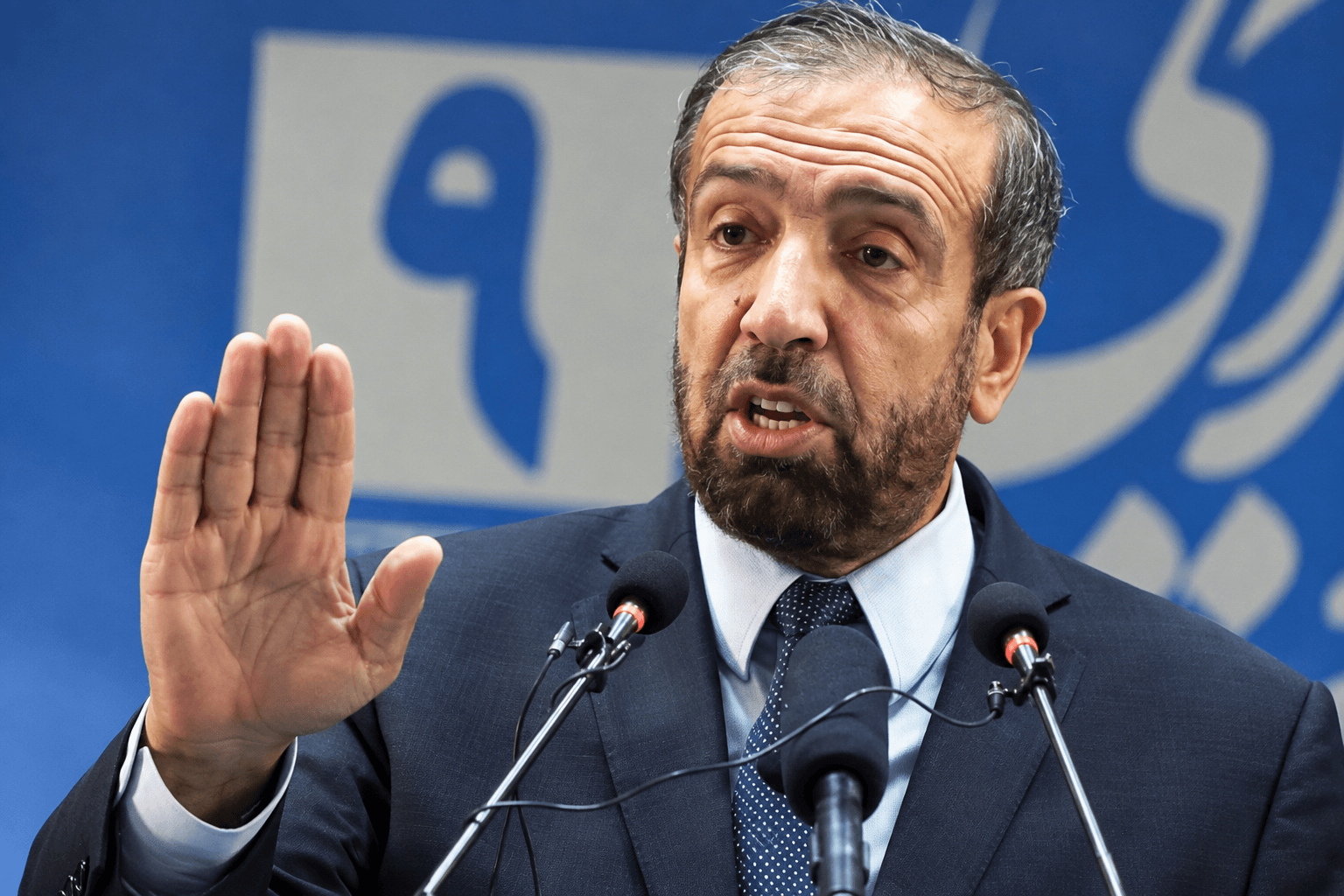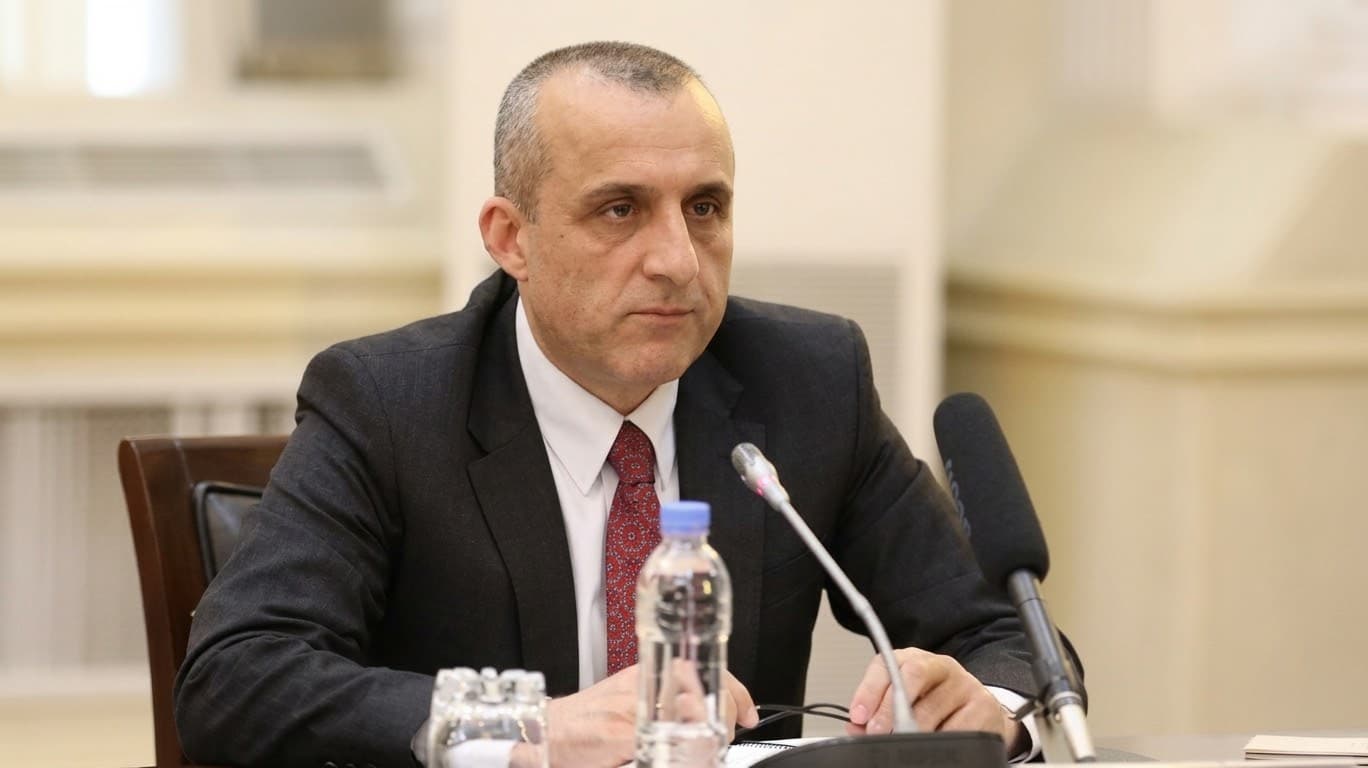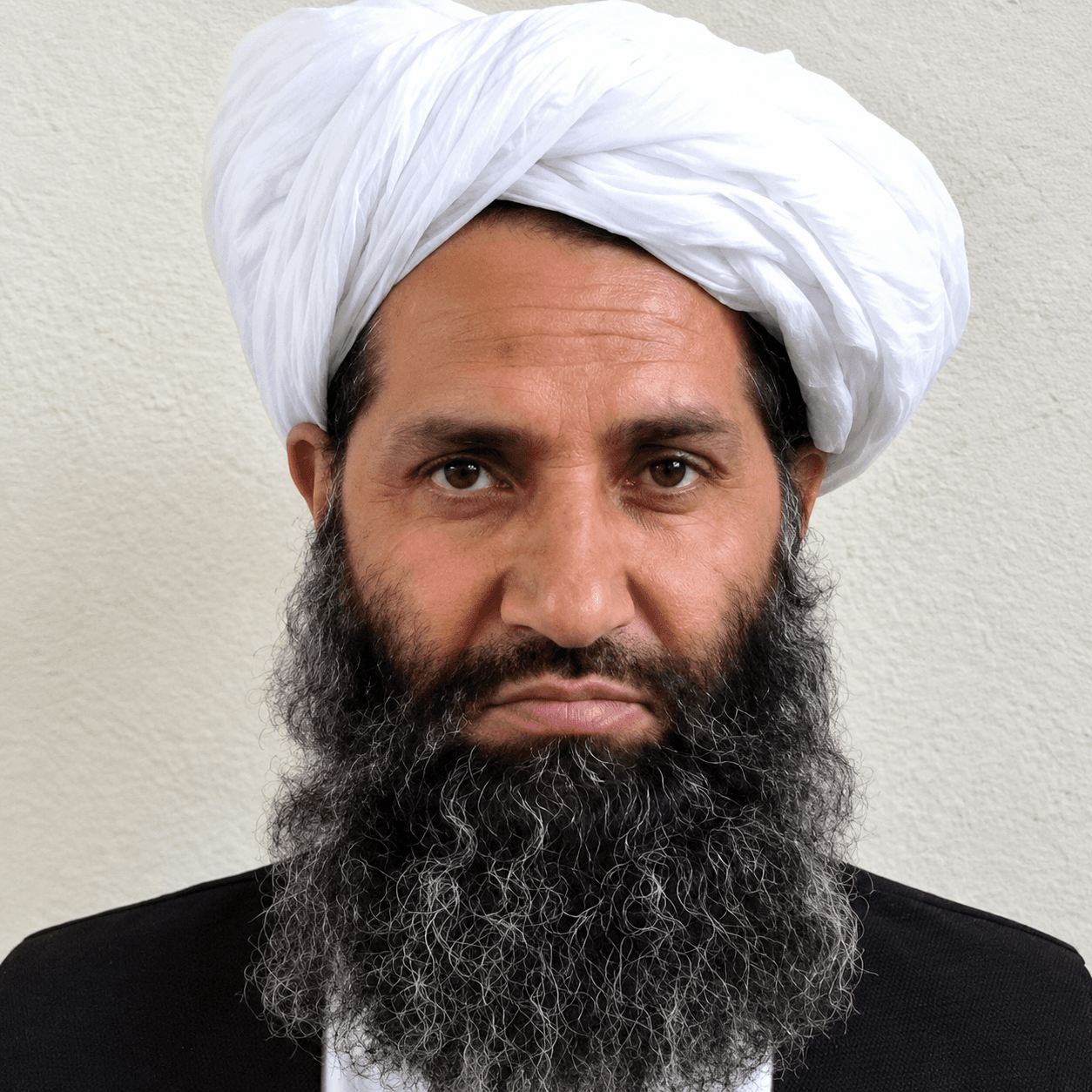
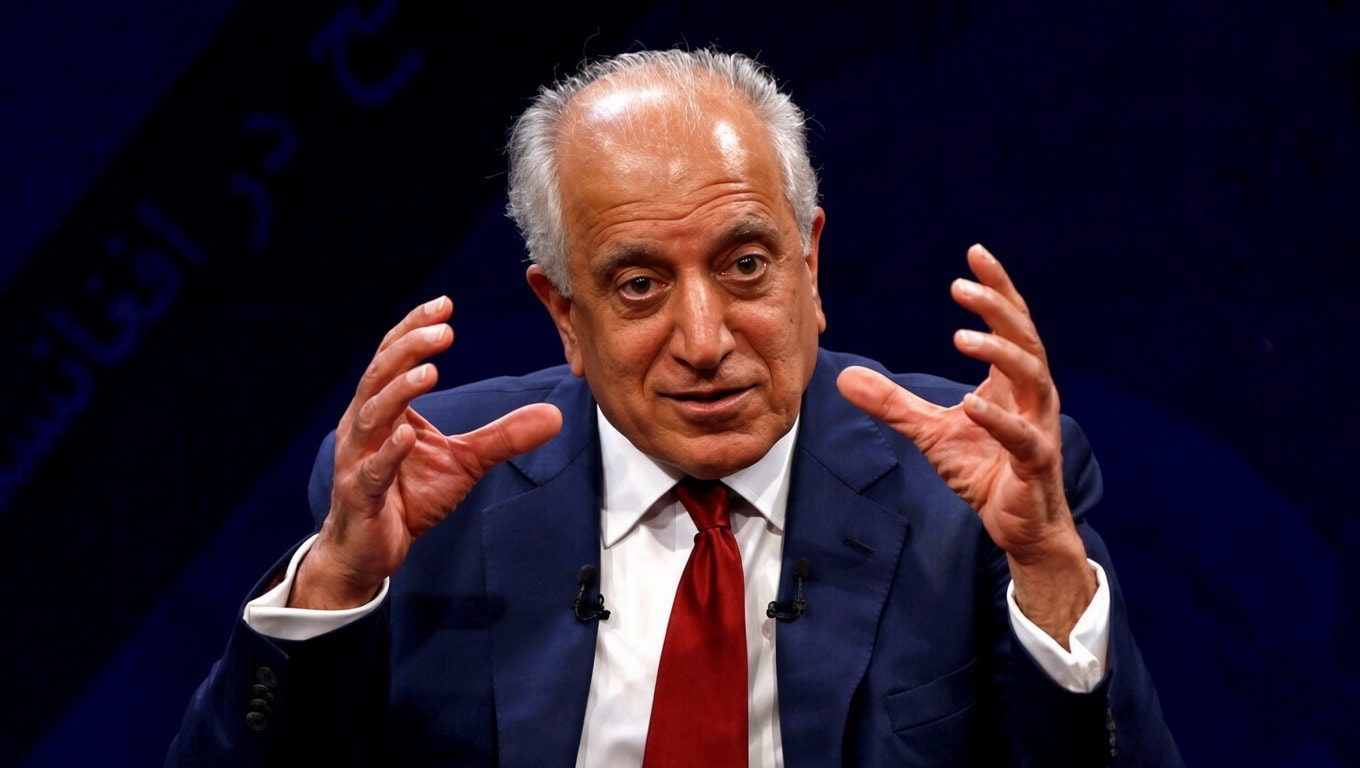
Zalmay Khalilzad, the former U.S. Special Representative for Afghanistan, says that the situation in Afghanistan after five years of Taliban rule has been better in some respects than what had been anticipated before the Taliban’s return to power.
In an interview with the UAE-based The National on Friday, 23 Asad, Khalilzad said there had been concerns prior to the Taliban’s return about an increase in terrorist threats, a deterioration in the security situation, and the collapse of Afghanistan’s economy following the withdrawal of a large portion of international aid.
He added that the Taliban had performed better than expected in some areas, including infrastructure development, support for agriculture, and the expansion of regional diplomatic relations, particularly with Central Asian countries and Uzbekistan.
However, Khalilzad’s assessment also acknowledged several of Afghanistan’s major challenges, including terrorist threats, the situation of women, the continued restrictions on girls’ education, and the absence of a clear roadmap for the country’s political future.
Meanwhile, reports by the United Nations and human rights organizations provide a broader picture of the situation in Afghanistan, documenting arbitrary arrests and detentions, extrajudicial killings, torture and ill-treatment, restrictions on freedom of expression and the media, and pressure on civil society activists.
In its latest periodic report on the human rights situation in Afghanistan, covering the months of Hamal through Jawza 1405, the United Nations Assistance Mission in Afghanistan (UNAMA) documented at least 389 cases of arbitrary arrest and detention, as well as 65 cases of ill-treatment of women and men.
According to a UNESCO report published on Thursday, 22 Asad, approximately 2.4 million girls in Afghanistan will be excluded from secondary education in 2026, while thousands of other girls have also been deprived of the opportunity to pursue higher education.
Recent UN data also indicate that 93 percent of Afghan women are not employed, while more than half of the women surveyed said they leave their homes only once or twice a month.
Women in Afghanistan continue to face restrictions on dress, movement, and participation in public spaces. In some cases, women have also been detained for allegedly failing to comply with regulations governing dress.
Ethnic and religious minorities, including Hazaras and Shia Muslims, also face discrimination and restrictions. UN reports have further documented cases of detention, ill-treatment, and violence against people of diverse sexual orientations and gender identities.
Restrictions on the media, journalists, and civil society activists have also intensified in recent years. Media-support organizations say the information environment in Afghanistan has become severely restricted, with journalists and media outlets facing widespread pressure.
Despite Khalilzad’s positive assessment of some aspects of the economy, Afghanistan continues to face widespread poverty, unemployment, and a heavy reliance on humanitarian assistance. The reduction in international aid has placed additional pressure on people’s daily lives.
Khalilzad’s assessment should not be interpreted as a reflection of the views of the Afghan population as a whole. In the interview, he emphasized the reduction in large-scale armed conflict and certain advances in infrastructure, agriculture, and regional diplomacy. By contrast, reports by the United Nations and human rights organizations continue to highlight extensive restrictions on women, the suppression of civil liberties, human rights violations, economic hardship, and the persistence of security threats.
Overall, the situation in Afghanistan since the Taliban’s return to power presents a complex and multifaceted picture. On the one hand, there has been a reduction in large-scale fighting, alongside reported activity and progress in certain economic, infrastructure, and diplomatic areas. On the other hand, social and political restrictions, the human rights crisis, the exclusion of girls from education, and persistent economic difficulties remain among the country’s most serious challenges.
Writer:Salima Aryaei