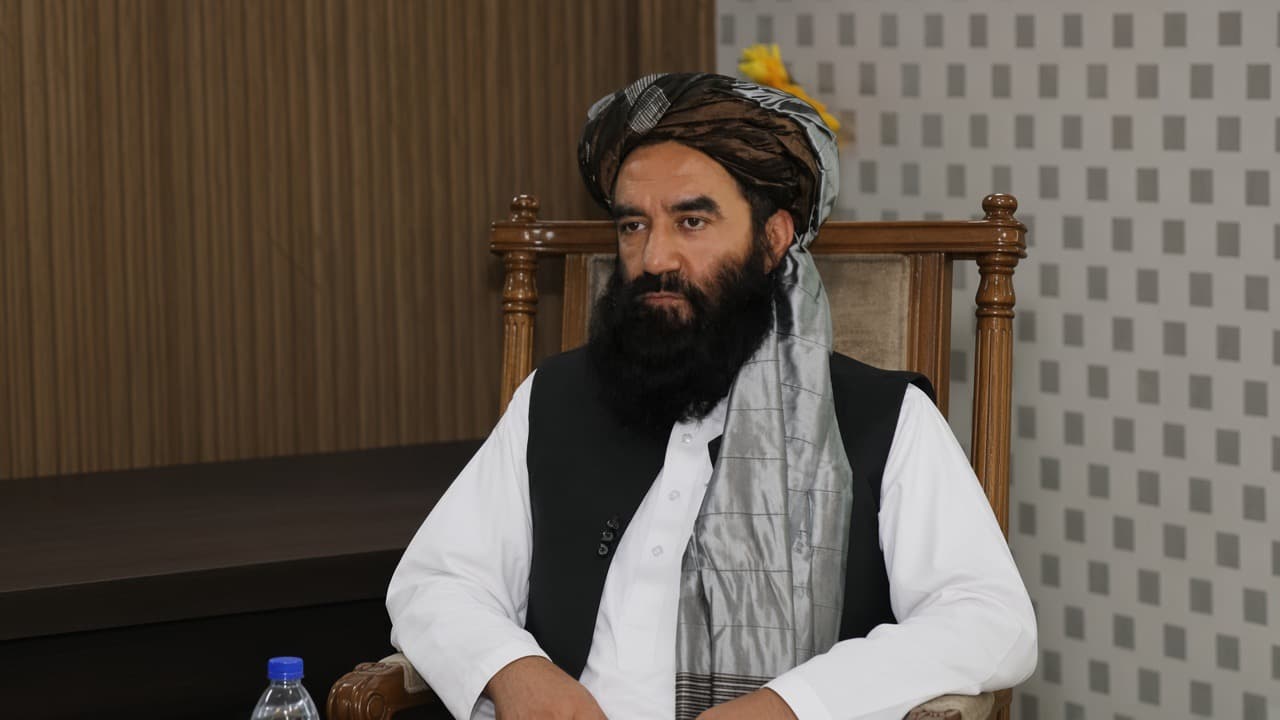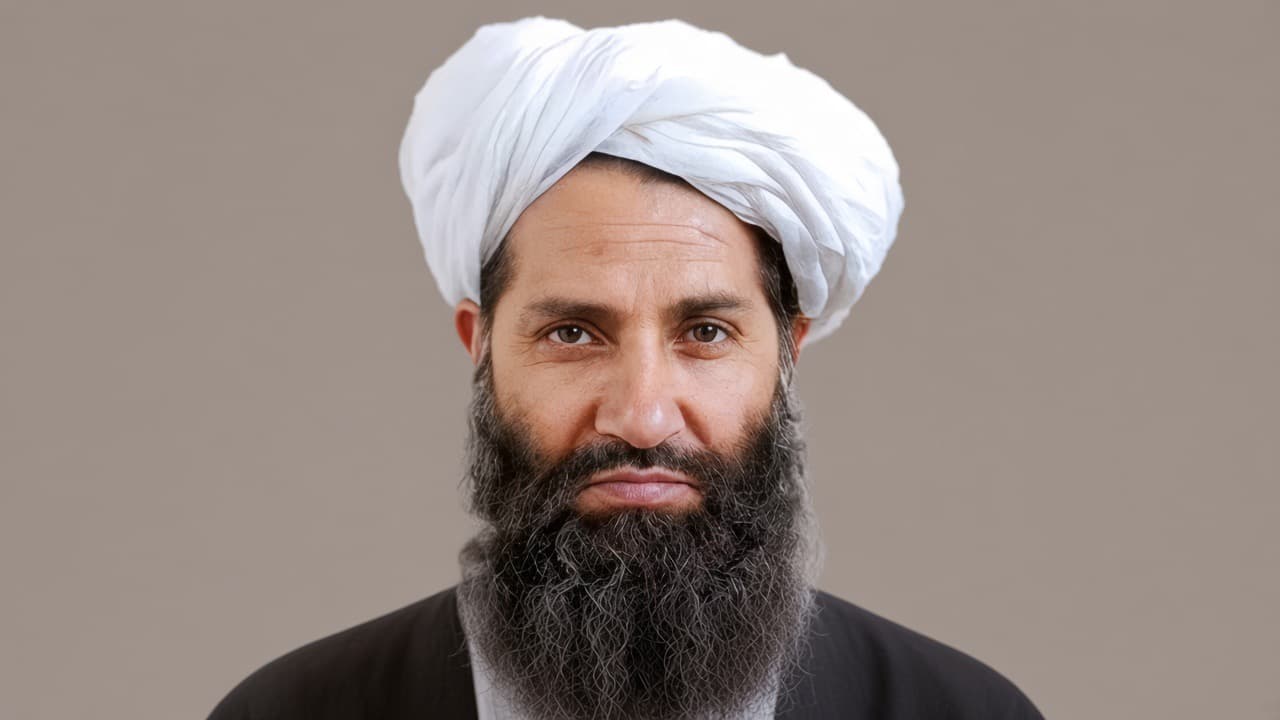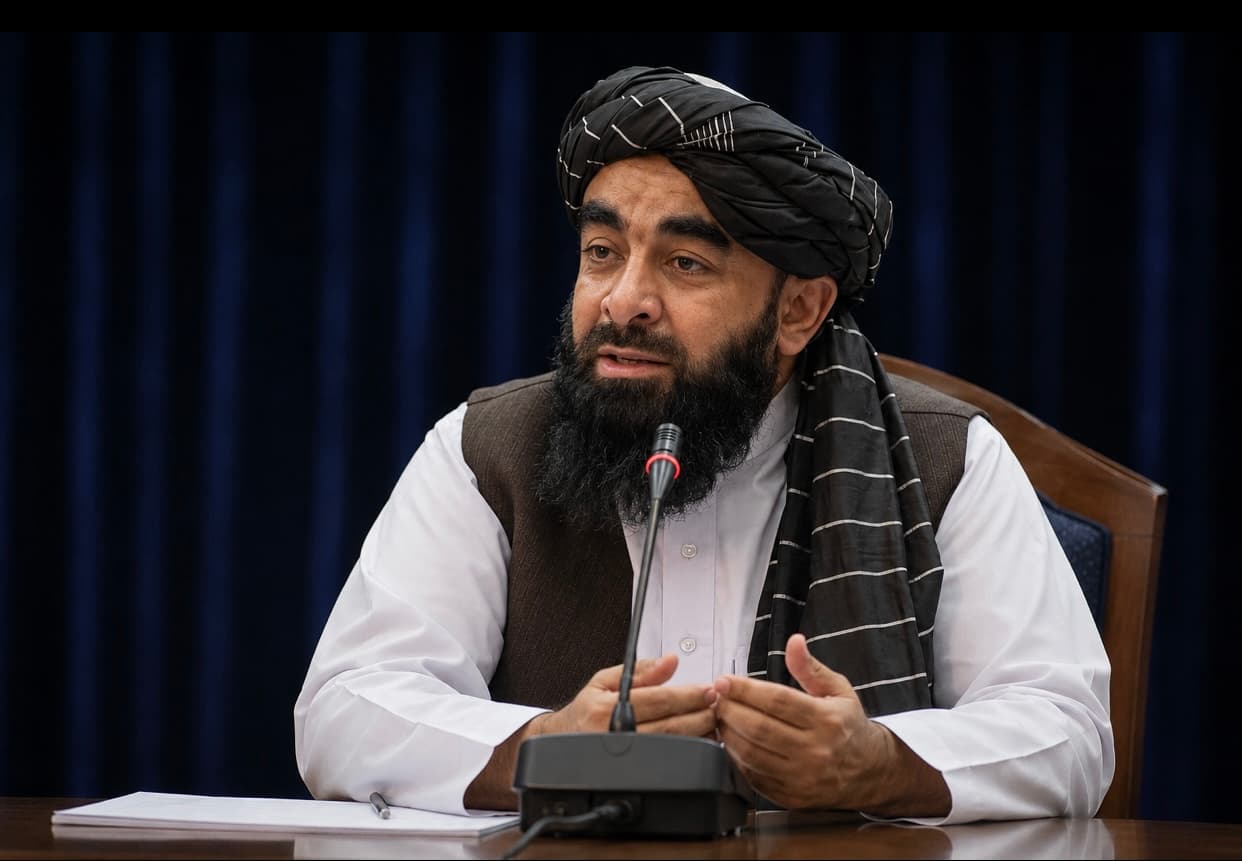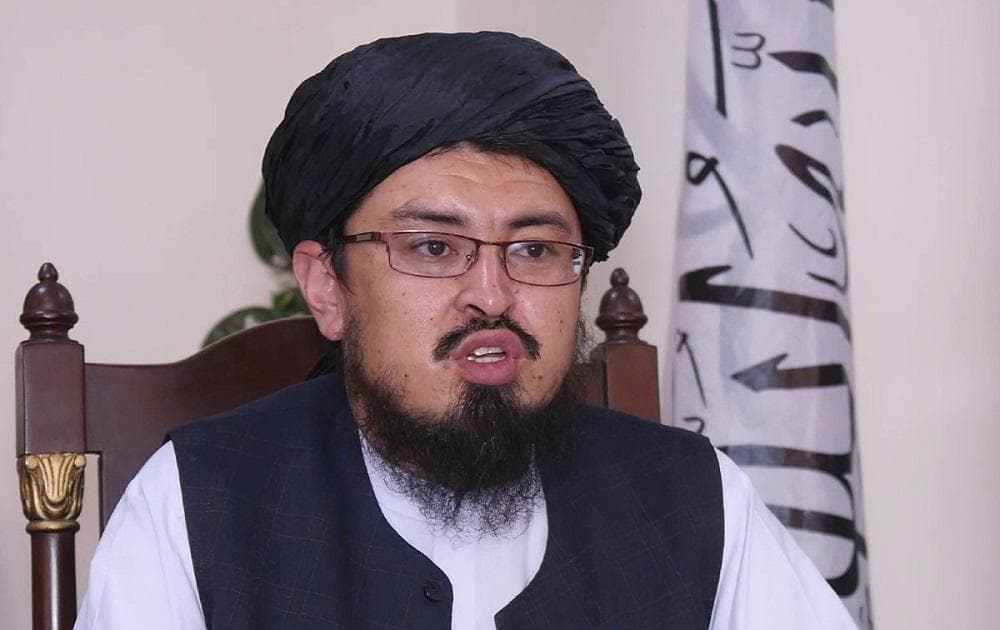
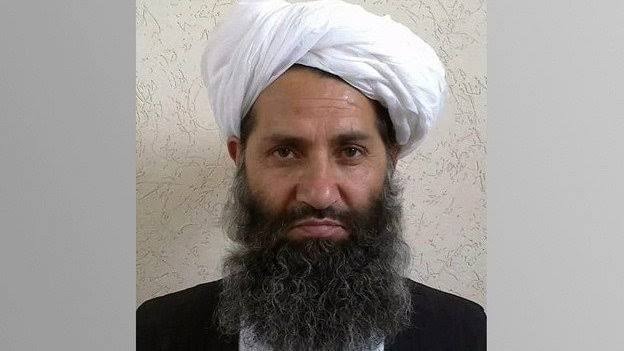
The Taliban leader, Mawlawi Hibatullah Akhundzada, during a meeting in Kandahar with governors of nine provinces from the northwestern and northeastern zones, as well as with councils of scholars and heads of appellate courts, stated that the general amnesty he had announced for his opponents remains fully in effect, and that no accountability will be pursued against them.
According to a statement issued by the Taliban’s administrative office, Hibatullah Akhundzada said that the general amnesty was declared in order to prevent revenge and to ensure peace and stability in the country. He noted that individuals from the former government who have laid down their arms have been granted forgiveness, and that no form of accountability is currently being applied to them.
Hibatullah instructed his officials to promote a culture of forgiveness, tolerance, and the elimination of wrongdoing, and to encourage the public to embrace this amnesty as well. He stated: “They laid down their weapons, and we granted them forgiveness; we did not hold them accountable, and we still do not do so.”
The Taliban leader also emphasized the implementation of Sharia law and the enforcement of the principles of “promoting virtue and preventing vice,” urging scholars and Taliban officials to first implement his directives upon themselves before conveying them to others.
Meanwhile, the Taliban’s administrative office announced that participating religious scholars renewed their allegiance (bay’ah) to Hibatullah Akhundzada during the meeting.
These remarks come at a time when, in recent years, several human rights organizations and reports have documented allegations of arrests, torture, detention, and killings of some members of the former government forces allegations that the Taliban have consistently denied.
Writer:Saeed Sameer