Local sources in Afghanistan’s Badakhshan province report that, amid escalating internal disputes within the Taliban, a large military convoy has been dispatched to Shighnan district to arrest Jamal Khan Fateh, the group’s former deputy governor in Badakhshan. According to these sources, the move reflects growing internal tensions within the Taliban’s structure.
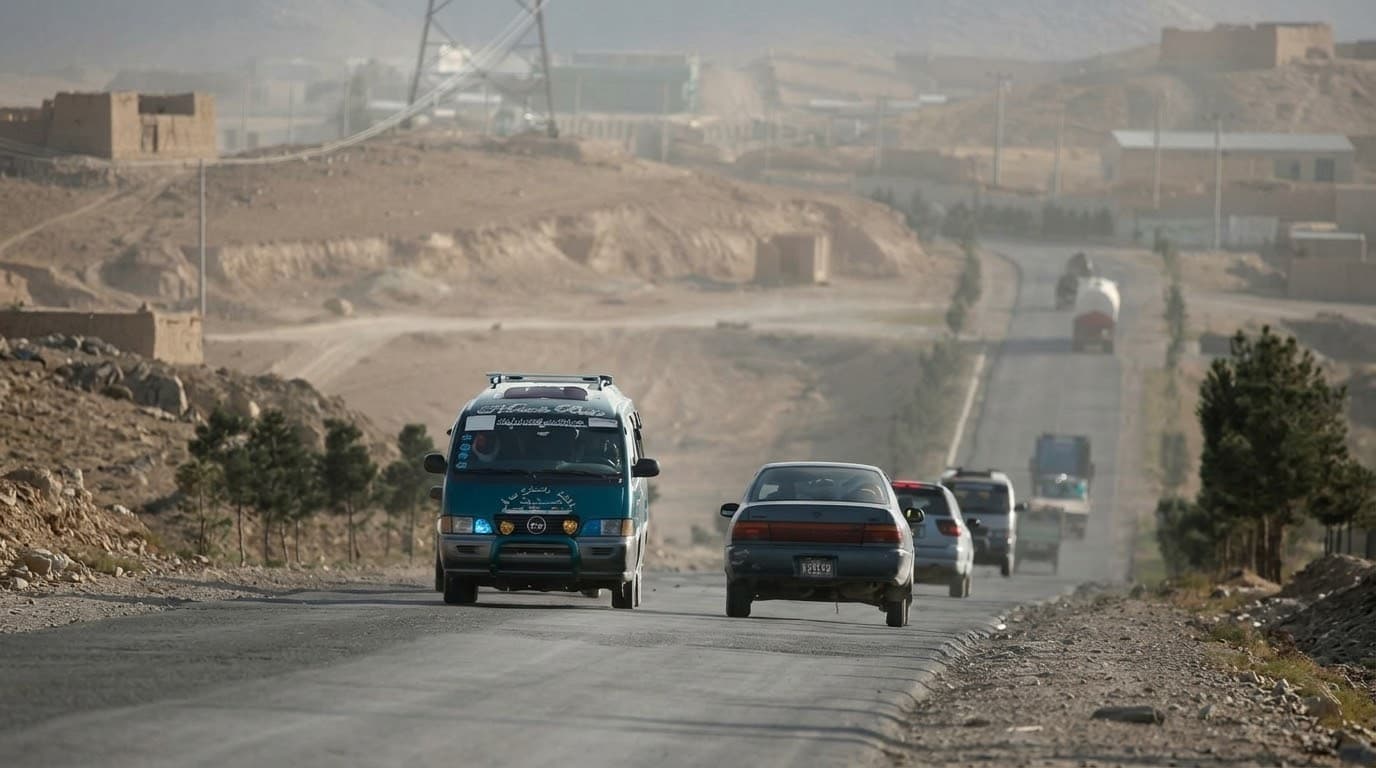
The sources state that the convoy, consisting of around 50 military and transport vehicles, including Humvees, moved toward Shighnan district early on Sunday, 31 Jowza (June). The stated objective of the operation is the arrest of Jamal Khan Fateh, whose name has recently been linked to internal Taliban disputes, particularly over the management and control of gold mines in Badakhshan.
The sources further report that Mohammad Hamed, the Taliban deputy governor in Ghor province, had been asked to participate in the operation but refused to take part. According to the same sources, he has also been absent from his assigned post since Eid al-Adha, a development that has fueled further speculation about widening internal divisions within the Taliban structure.
At the same time, informed sources report increasing tensions between different Taliban factions in Badakhshan, warning that the likelihood of armed confrontation between the group’s forces is rising.
According to these sources, the Taliban’s leader has labeled Jamal Khan Fateh a “rebel” and issued orders to take action against him. In Taliban terminology, the term “rebel” is used for internal opponents, and the group has previously used this designation to move against dissatisfied commanders.
Sources close to the Taliban say that several rounds of talks between Jamal Khan Fateh and senior Taliban officials, including Fasihuddin Fetrat, the Chief of Army Staff of the Taliban, have ended without results, and efforts to resolve the dispute have reached an impasse.
According to these sources, Jamal Khan Fateh is now refusing to comply with the leadership’s directives, particularly those of Mullah Hibatullah Akhundzada, and is standing against the group’s decisions with the backing of his forces and heavy military equipment.
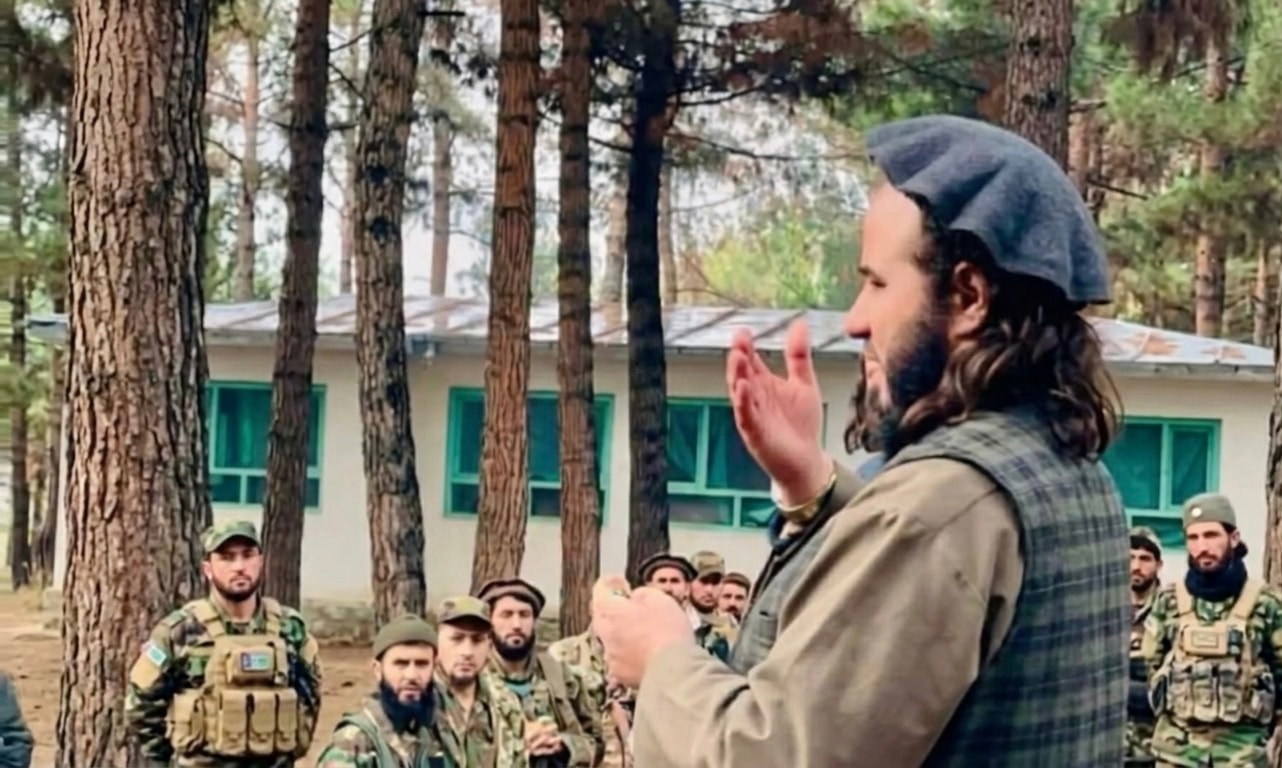
Jamal Khan Fateh is a Tajik commander from the Darwaz region of Badakhshan who joined the Taliban around 15 years ago and participated in past conflicts against the former Afghan government. In recent years, he has become one of the Taliban’s influential figures in Badakhshan. Reports indicate that as his influence has grown, his disagreements with the group’s central leadership have also intensified.
Despite the Taliban’s claims of internal cohesion, the deployment of dozens of military vehicles to arrest a former official of the group raises new questions about the depth of internal divisions within the Taliban and their implications for security in areas under their control. Sources warn that if political efforts fail, the deployment of additional Taliban forces to Badakhshan and the potential escalation of this tension into a broader armed confrontation cannot be ruled out.
Writer:Salima Aryaei