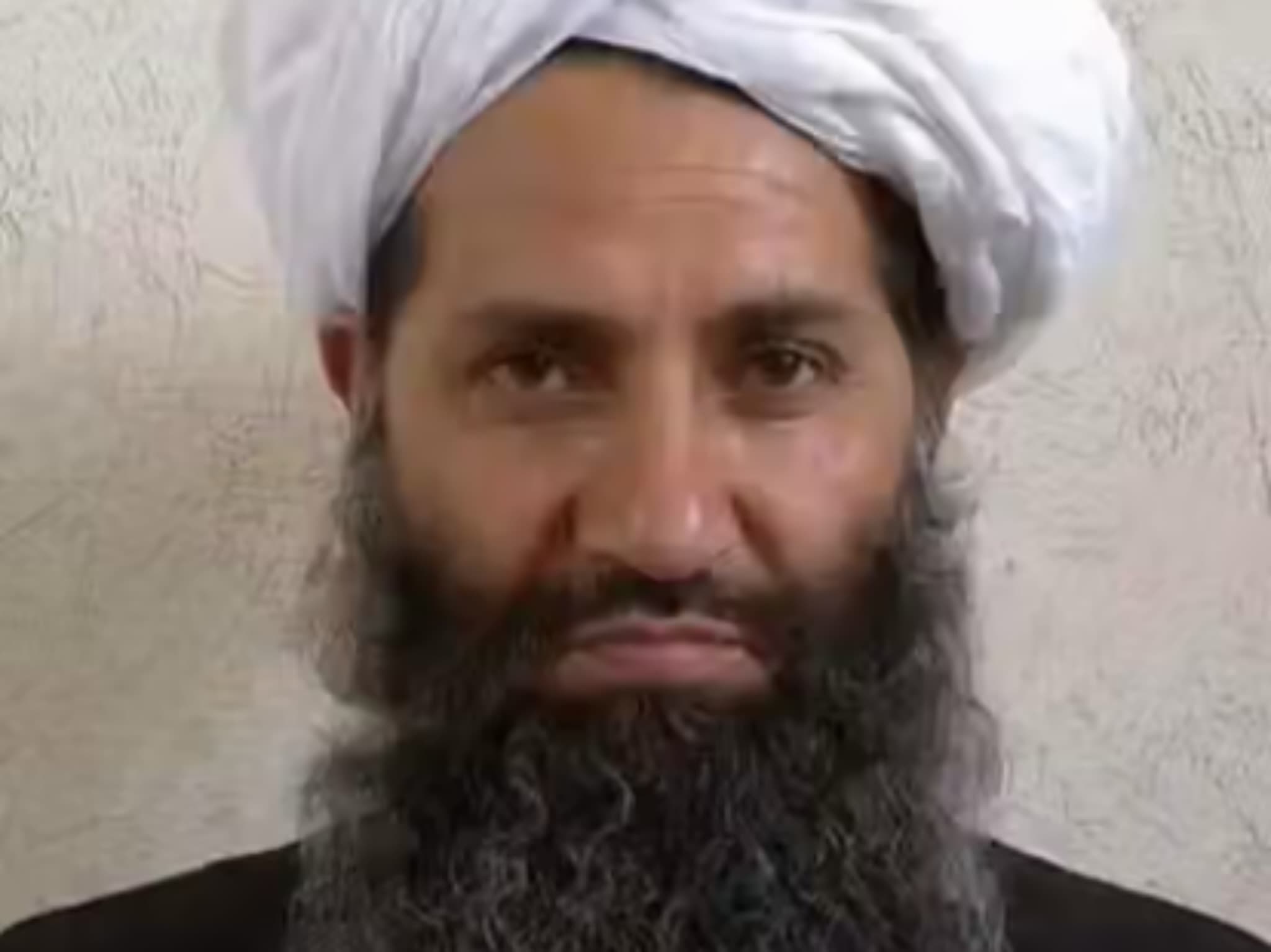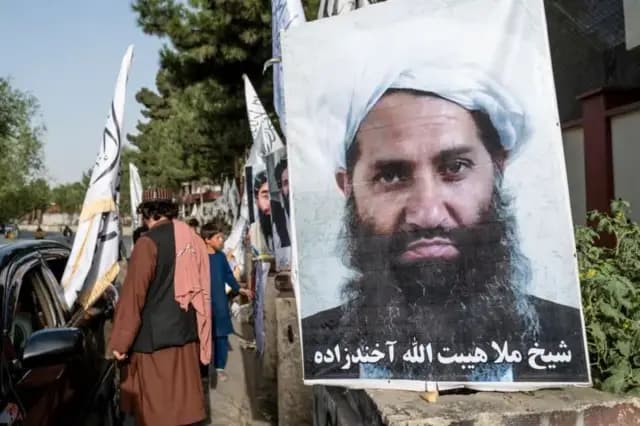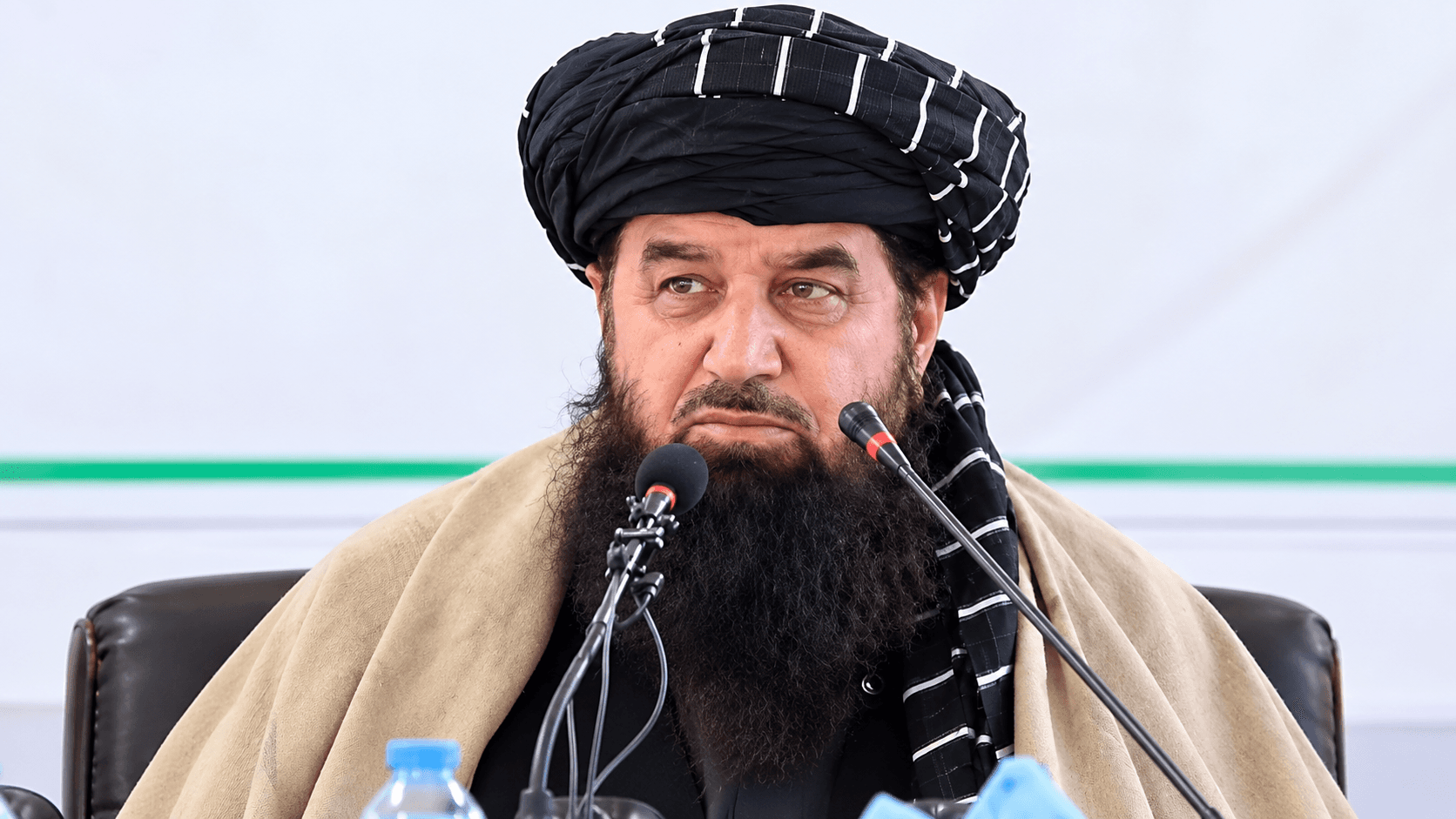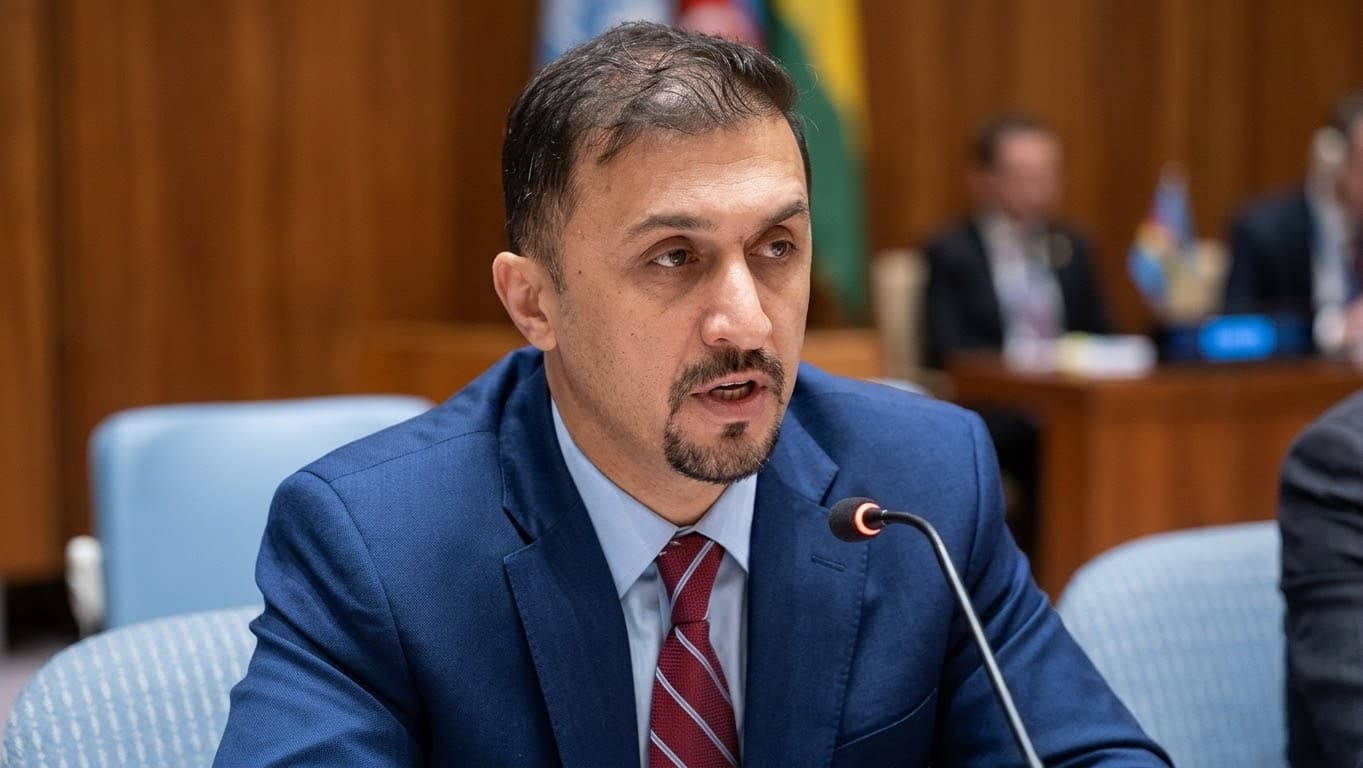
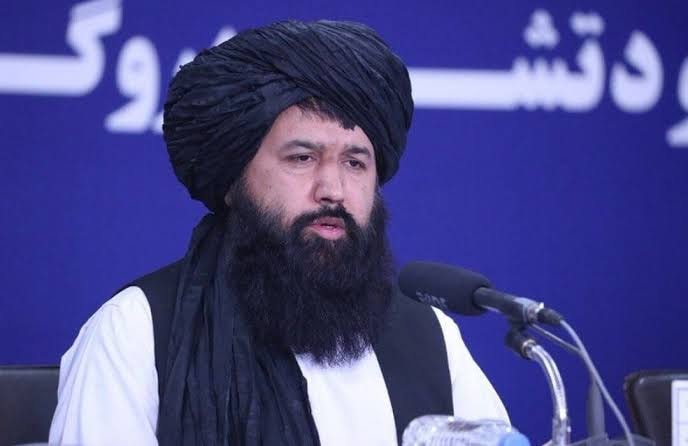
Neda Mohammad Nadim, the Taliban’s Acting Minister of Higher Education, defended the decrees issued by Hibatullah Akhundzada on the final day of a conference examining the Taliban leader’s directives at Kabul University, claiming that the laws issued by the group’s supreme leader are derived from the Holy Quran. He described supporting Hibatullah as an act of supporting Allah Almighty and labelled critics of the Taliban administration as “irreligious.”
Speaking on Thursday, 28 Aqrab, Nadim said that complying with the laws and regulations of Taliban-run institutions amounted to supporting Hibatullah Akhundzada. He argued that backing the group’s leader was equivalent to supporting Allah Almighty, as all his laws were derived from the Quran.
He also described sacrificing one’s life to preserve the Taliban regime as a small sacrifice, saying that members of the group were prepared to pay an even greater price to defend their government because, according to him, the regime had come to power after overcoming significant hardships.
In another part of his speech, the Taliban’s Minister of Higher Education referred to the group’s opponents and critics as “irreligious.” He claimed that the presence and unity of religious scholars would ensure the failure of domestic and foreign propaganda campaigns against the Taliban.
At the same gathering, Sardar Mohammad, head of the Taliban’s Central Fatwa Directorate in Kabul, said that governments in which religious scholars are involved would endure, while those that excluded religious scholars would face collapse.
Abdul Hadi Hemmat, the Taliban-appointed head of Kunduz University, also addressed what he described as the “enemy’s ideological and propaganda war.” He identified the promotion of immoral practices, distortion of religious rituals, misleading young people, fuelling linguistic and regional divisions, and encouraging opposition to jihad and the mujahideen as the objectives of this campaign.
Hemmat described the media and propaganda as the primary tools of ideological warfare. He alleged that during the 20-year presence of foreign forces in Afghanistan, media outlets he characterised as affiliated with foreign powers had worked to insult religious values and promote foreign culture.
The academic and research conference on examining the implications of Hibatullah Akhundzada’s decrees began on Monday, 25 Aqrab, at Kabul University. Organised by the Taliban, the conference also hosted Hibatullah Akhundzada on its second day and was scheduled to conclude on Thursday, 28 Aqrab, after four days.
The conference took place amid remarks and positions expressed by Taliban officials that largely focused on defending the decrees issued by the group’s leader and confronting his critics.
Writer:Roya Stanikzai