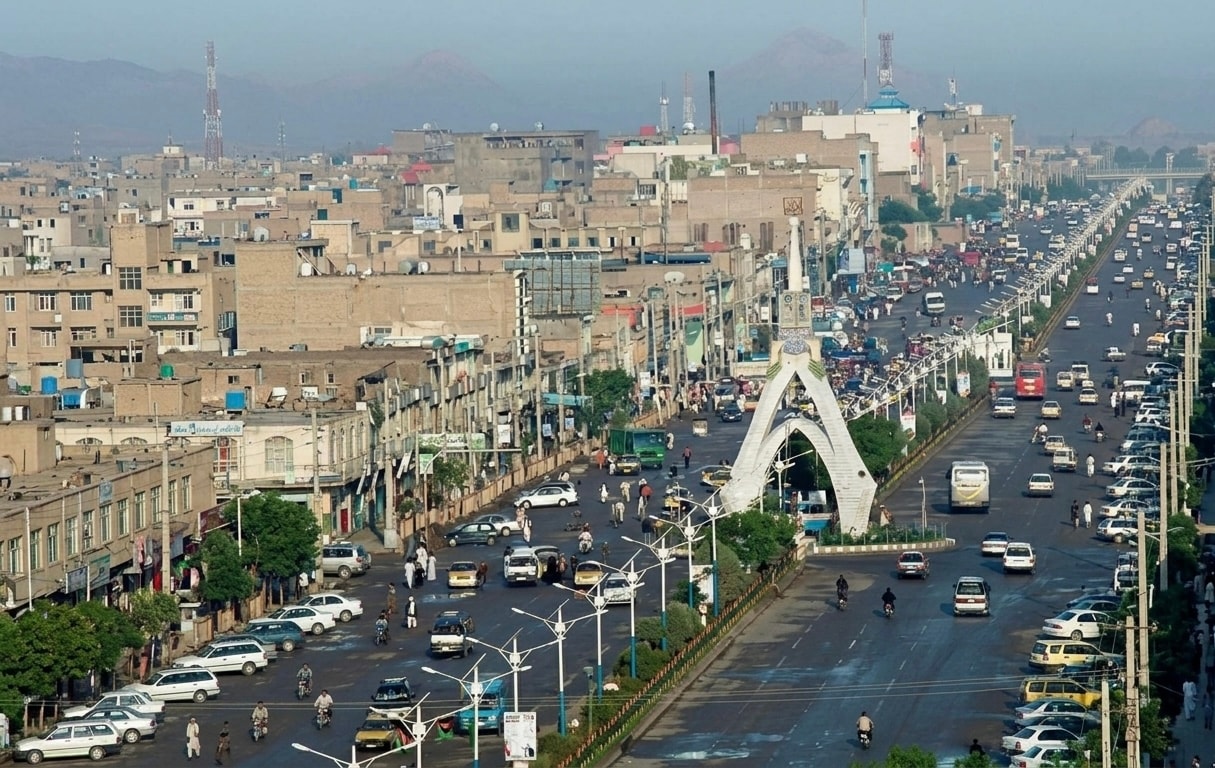
The Taliban governor’s office in Herat has announced that the city’s master plan has been completed for the first time in Herat’s history and has been approved by Mullah Mohammad Hassan Akhund, the Taliban’s Prime Minister.
In a statement released on Tuesday, 23 June, the office said that the preparation of the master plan was finalized after nearly two years of specialized studies, field assessments, and technical feasibility evaluations, and that the final document has now received official approval.
According to the statement, the Herat Master Plan, as the city’s most important strategic urban development document, establishes the framework for the city’s growth and development in the coming years and outlines the overall direction of Herat’s future expansion.
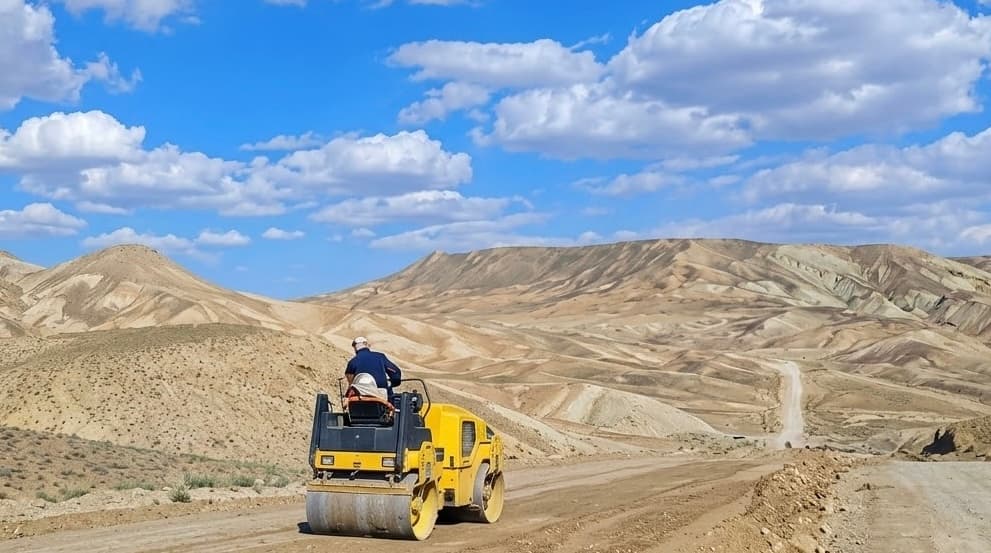
The Taliban governor’s office stated that the plan’s key objectives include the regulation of urban land use across residential, commercial, industrial, service, and recreational sectors; the expansion of Herat over an area of 50,000 jeribs of land; the extension and standardization of road networks; the development of economic zones; and improvements to the urban transportation system.
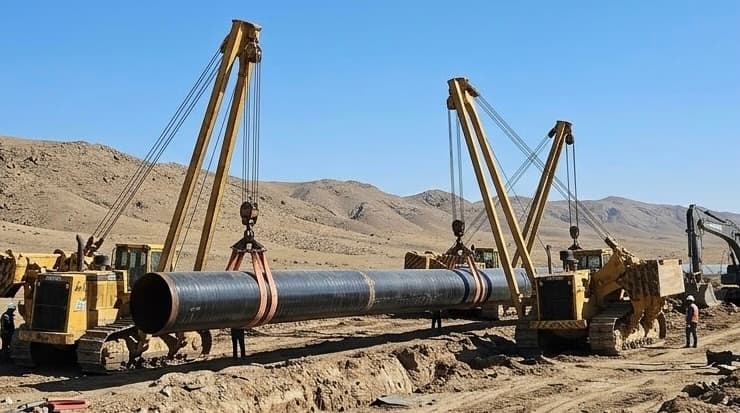
Other objectives outlined in the master plan include the expansion of green spaces, the preservation of historical sites and monuments, the development of water supply and sewage networks, the creation of employment opportunities, the attraction of domestic and foreign investment, the prevention of substandard construction, and the control of unplanned urban growth.
The statement further noted that implementation of the plan could strengthen Herat’s position as one of Afghanistan’s key economic, commercial, industrial, and transit hubs.
The governor’s office added that the execution of the master plan will usher the city into a new phase of growth, reconstruction, and sustainable development, while creating conditions for improving residents’ quality of life, increasing investment, and promoting balanced urban development.
Located in western Afghanistan, Herat is one of the country’s largest cities, after Kabul and Kandahar. With a history spanning several millennia, it is considered one of the region’s most significant historical and cultural centers. Owing to its prominent role in Persian and Islamic civilization, Herat was historically known as the “Bride of the Cities of Khorasan.”
Throughout history, Herat has played a vital role in nurturing scholars, poets, writers, and artists, and remains one of the most important cultural centers of the Persian-speaking world.
The city is also home to numerous valuable historical and architectural landmarks, among which the Herat Minarets and the Great Mosque of Herat are among the most renowned.
Writer:Salima Aryaei