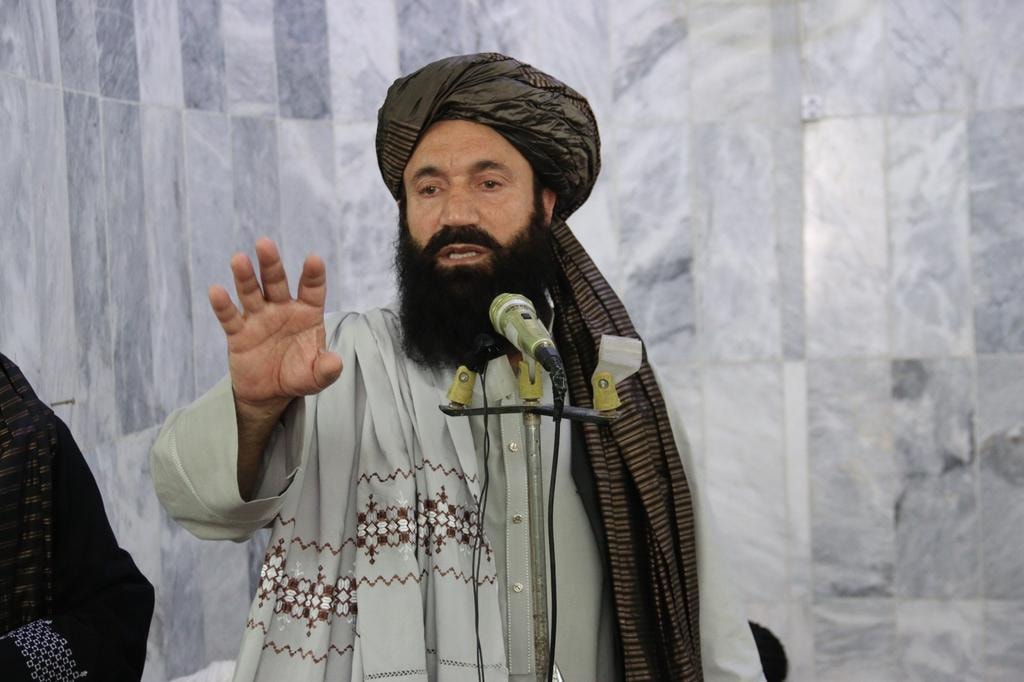
In Khost, Abdul Rahman Haqqani, the Taliban governor of the province, said during a visit to the Khost Central Prison that prisons are no longer places of revenge, torture, and abuse, but have instead become centers for rehabilitation, education, and learning. This comes as allegations of torture and mistreatment of prisoners, women, journalists, and former security personnel in Taliban-run prisons continue to be reported.
According to a statement released on Saturday (May 30) by the Taliban’s media office in Khost, Abdul Rahman Haqqani emphasized during his visit that, in accordance with Islamic principles and applicable laws, the necessary facilities have been provided to protect prisoners’ rights and support their rehabilitation.
He told inmates to make productive use of their time in prison by pursuing education, self-improvement, and positive change so that they can return to normal life as constructive members of society after their release.
Haqqani also instructed prison officials to intensify their efforts to address prisoners’ problems, improve services, and strengthen rehabilitation and educational programs. He said that prisoners’ concerns and needs would receive serious attention.
Meanwhile, in its latest report, the United Nations Security Council stated that cases of violence and sexual abuse against 21 women and girls by Taliban members and officials in Afghanistan had been documented and verified. According to information from United Nations Assistance Mission in Afghanistan, these cases included rape, gang rape, forced marriages, and the forced stripping of women.
In addition, Zabihullah Mujahid, the Taliban’s spokesperson, rejected reports of torture in prisons during a special interview. He stated that, under the Taliban’s principles and regulations, no individual is subjected to torture from the moment of arrest until their release.
Writer:Saeed Sameer