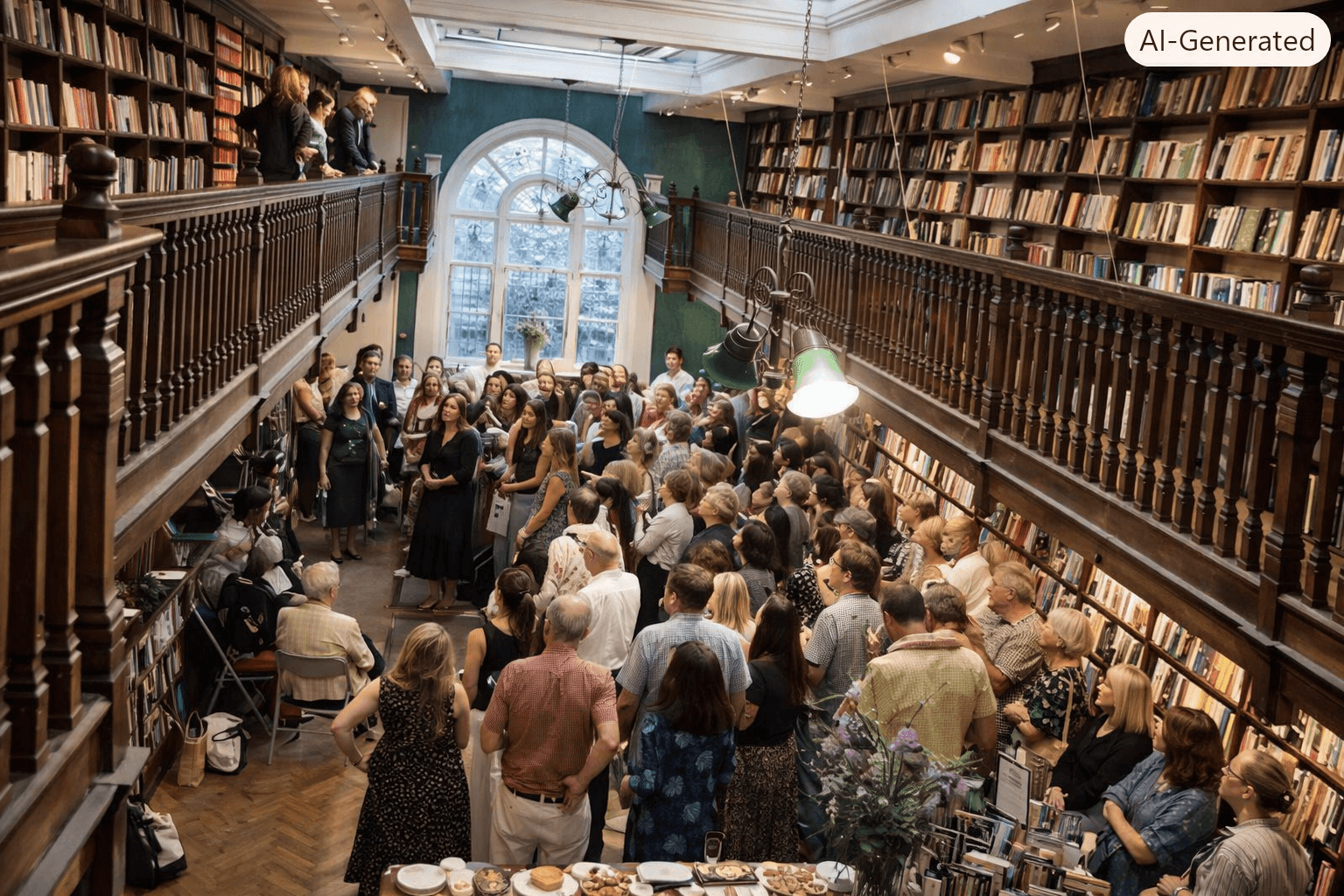
The performance of local songs accompanied by the rhythmic sound of the daireh (frame drum) has become an integral part of everyday life in many Afghan family gatherings. In one of Kabul’s evening social gatherings, a group of girls sing a traditional song while playing the dairehban expression of a cultural affection that has endured among the people despite ongoing restrictions.
Mojgan, a 24-year-old resident of Kabul, says that families avoid playing loud music due to concerns over possible consequences, which is why the daireh has gained a special place in private gatherings. According to her, during her brother’s wedding two months ago, the women and girls of the family created a joyful atmosphere each night by playing the daireh and singing folk songs. She adds that none of them have received formal musical training, but over time they have learned to play the instrument.
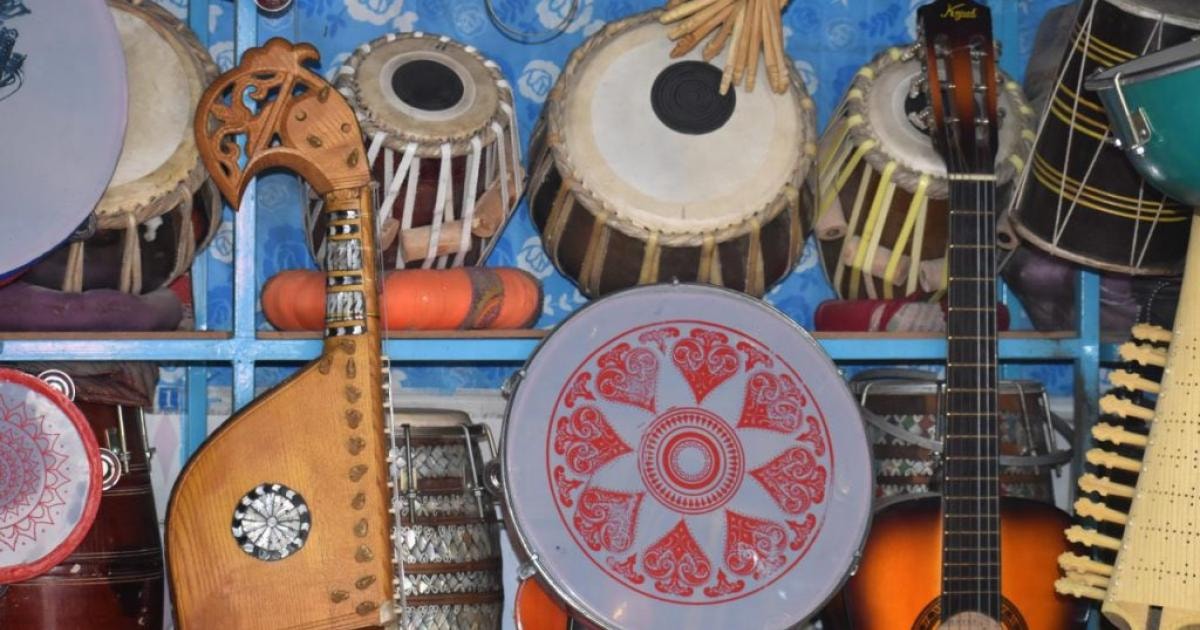
In recent years, as restrictions on music have increased in Afghanistan, the daireh continues to be widely bought and sold in local markets. Many families use it to preserve a musical atmosphere during celebrations, private gatherings, and social events, viewing it as a way to keep musical traditions alive.
In Herat province as well, women locally known as “motreb” still participate in certain ceremonies, playing the daireh and performing folk songs. These women do not pursue music as a formal profession, but they contribute to private gatherings through traditional vocal performances.
Some residents of Herat say that finding motrebs for celebrations, particularly weddings, has become difficult. Their numbers are limited, and some avoid attending events due to prevailing concerns. Nevertheless, their presence remains welcomed at many family celebrations.
One factor behind the growing use of the daireh is its simplicity and affordability. The instrument typically costs less than $10 in local markets, making it accessible to many households. It also requires no electricity or additional equipment and is easy to carry and use features that have contributed to its popularity.
In Afghanistan, the daireh is traditionally made from sheep or goat skin, although cheaper versions made from plastic materials are also available in the market. It has long been part of Afghanistan’s folk music heritage and is widely used in both Persian and Pashto songs.
In recent months, numerous videos circulating on social media platforms have shown the daireh playing a prominent role in spring celebrations and youth gatherings. Similarly, on platforms such as TikTok, Facebook, and Instagram, many images and videos have been shared featuring Afghan women and girls playing the daireh and performing folk songs.
Some social media users regard the daireh as a symbol of the continuity of music in Afghanistan, arguing that it has helped preserve a degree of musical expression in everyday life, despite ongoing limitations.
Writer:Salima Aryaei