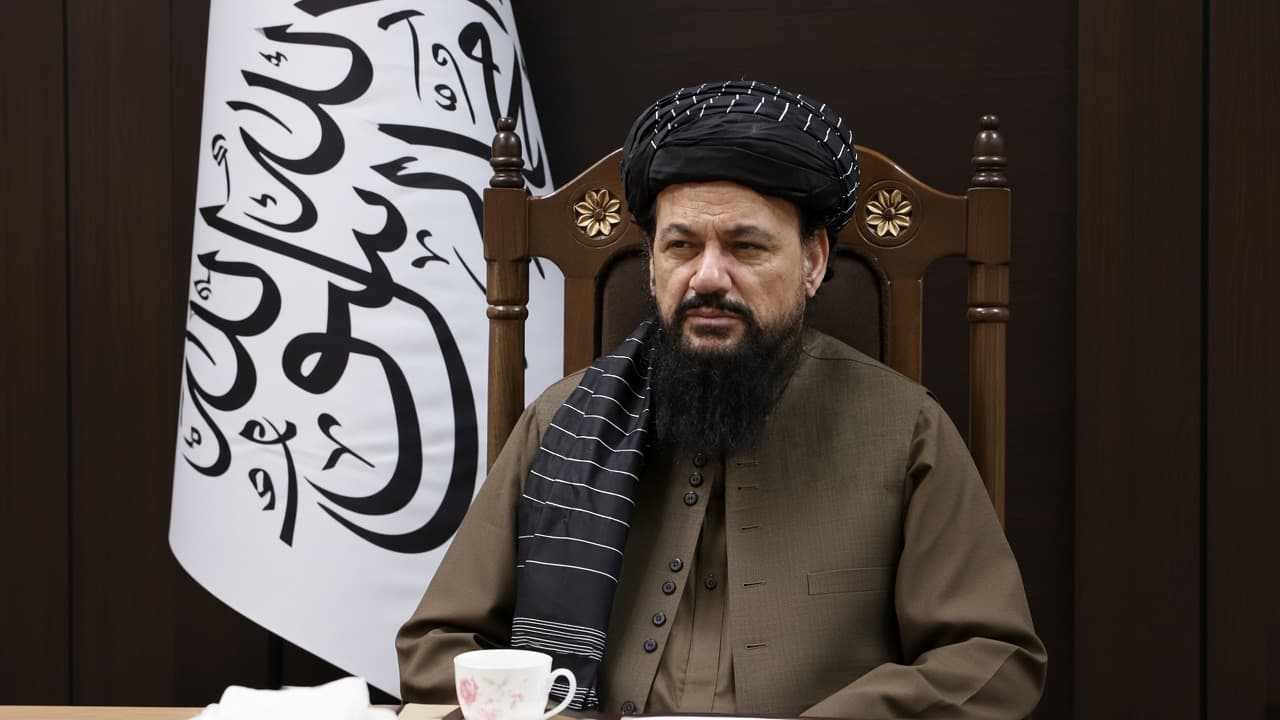
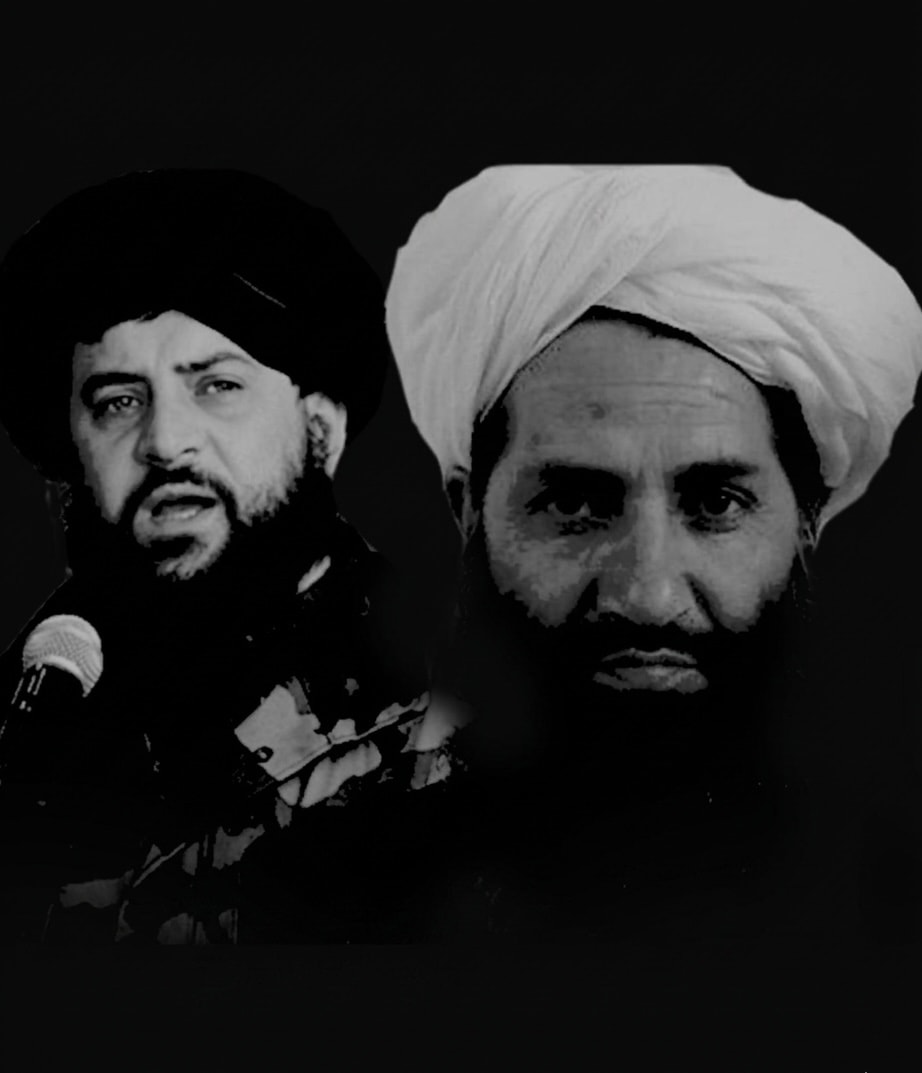
Mullah Hibatullah Akhundzada, the leader of the Taliban, has ordered that the group’s war against the former Afghan government and Western forces be documented and recorded according to the Taliban’s ideological narrative.
The Taliban regime announced on Sunday, May 17, that during a meeting with several officials and members of the Ulema Council from Parwan and Kapisa provinces, the Taliban leader asked them to cooperate with the “Preservation of Jihadi artifacts (Jihadi Heritage)” department affiliated with the Taliban’s Ministry of Information and Culture. Amir Khan Muttaqi, the Taliban’s foreign minister, was also present at the meeting.
The Taliban did not disclose the location of the meeting, but most important meetings involving the Taliban leader are usually held in Kandahar, where he resides.
According to the Taliban statement, members and forces of the group have been instructed to share information related to “jihadi آثار” and methods of preserving them with officials from the Preservation of Jihadi Heritage department.
The statement quoted Mullah Hibatullah as saying that plaques should be installed on the graves of slain Taliban members and that books and pamphlets should be written about them so that the “history of jihad” of the group is preserved. He also emphasized the accurate recording of the locations where Taliban fighters were killed and the details of the war.
The Taliban leader urged officials of the group to speak publicly about the Taliban war so that, according to him, the group’s narrative of the Afghanistan war is not forgotten.
The Taliban refer to their military equipment and wartime tools including suicide vests, bomb laden motorcycles, mines, and war chants as “jihadi artifacts.” The group has already established several museums to preserve and display these items.
The Taliban Ministry of Information and Culture has also announced plans to build a “Jihadi Heritage” museum in every province of Afghanistan. These museums will display equipment and items related to the Taliban war.
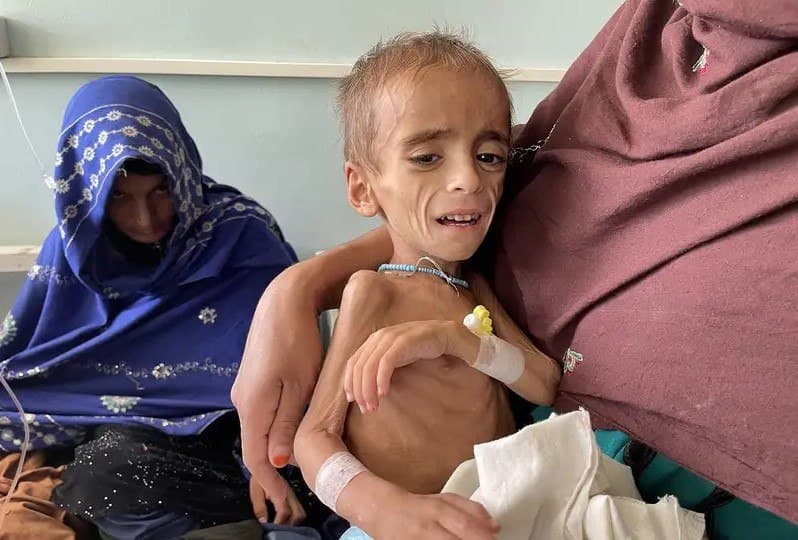
These measures come at a time when Afghanistan is facing a severe economic crisis, poverty, unemployment, and hunger, with millions of citizens struggling with daily living conditions.
Critics say that instead of focusing on solving economic and humanitarian problems, the Taliban are attempting to solidify their ideological narrative of the Afghanistan war.
During the two decades of war in Afghanistan, thousands of civilians were killed or injured in Taliban suicide bombings, explosions, and armed attacks. Now, however, the Taliban describe the equipment and methods used in those attacks as part of their “jihadi heritage” and are preserving them.
Critics believe the Taliban are trying to create a one-sided historical narrative of the Afghanistan war one that focuses mainly on the group’s own perspective and casualties, while giving less attention to civilian suffering and the human consequences of the conflict.
Writer:Salima Aryaei