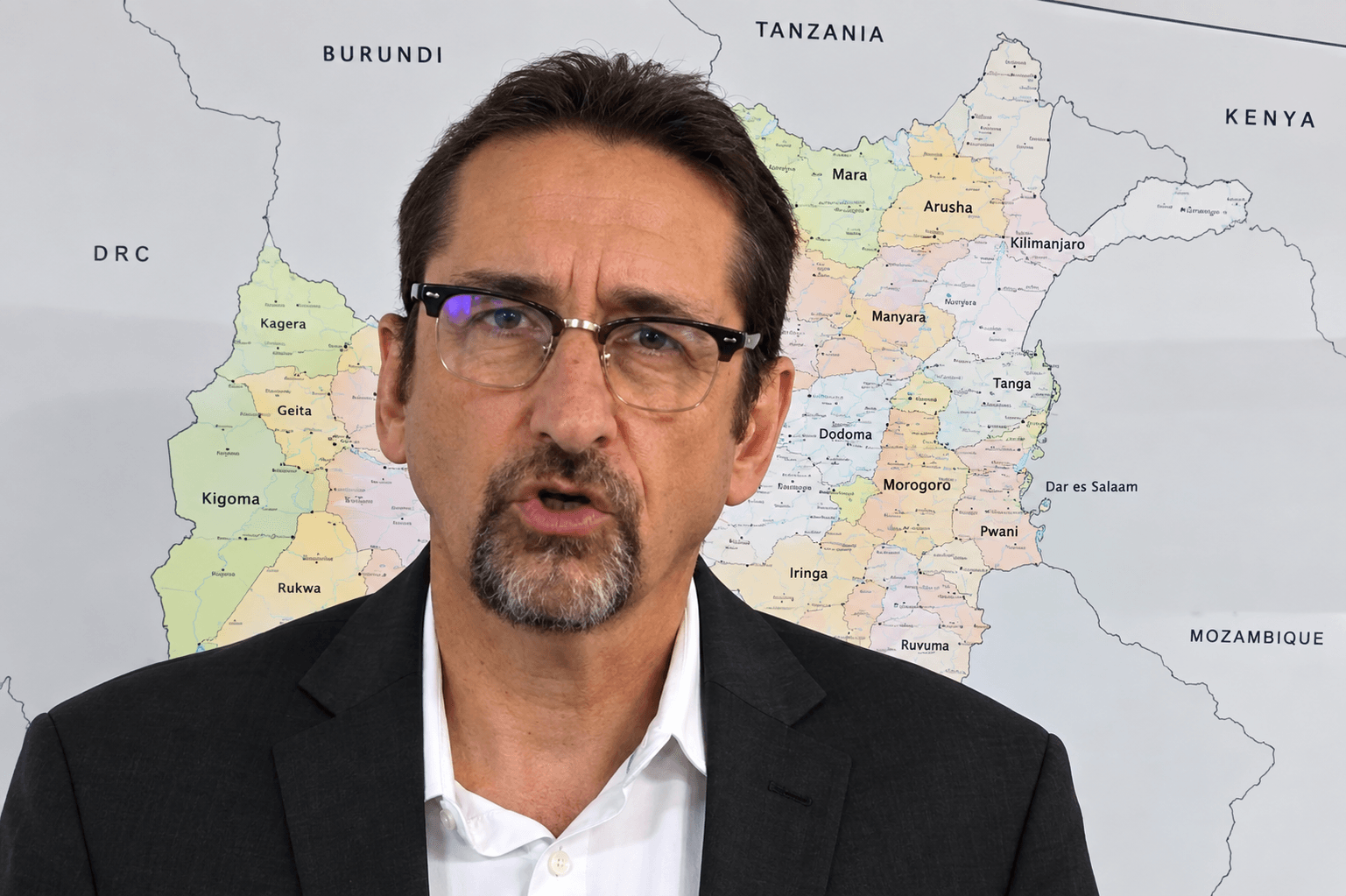
Bruno Lemarquis, the United Nations Humanitarian Coordinator for Afghanistan, has warned that declining international aid, combined with drought and the large-scale return of migrants, is making living conditions increasingly difficult for people in the country following his visit to Kandahar and Helmand provinces.
The United Nations Assistance Mission in Afghanistan (UNAMA) said in a report on Tuesday, October 6, that during the visit, Lemarquis highlighted the impact of declining aid on people’s lives and urged the international community to continue supporting the people of Afghanistan, particularly women and children, amid the country’s current circumstances.
According to Lemarquis, the health sector is among the areas hardest hit by the reduction in aid. A number of facilities providing primary healthcare services have been forced to close or reduce their operations due to a lack of resources.
Lemarquis also identified severe drought, water-management challenges, and the large-scale return of Afghan migrants from Iran and Pakistan as factors exacerbating the difficulties facing southern Afghanistan.
During his visit, he also met with a number of farmers who have faced economic difficulties following the ban on poppy cultivation. The farmers said that income from alternative crops such as grapes, pomegranates, and wheat is significantly lower than that generated by poppy cultivation. Without economic support, they warned, some farmers could be at risk of returning to poppy cultivation.
The UN Humanitarian Coordinator also cited the closure of border crossings and trade routes with Pakistan as another factor contributing to reduced economic activity and increasing pressure on vulnerable families.
Lemarquis described the decline in humanitarian assistance as a global challenge but stressed that Afghanistan has been particularly hard hit by the situation. He said immediate support for water and water-resource management, healthcare services, and the development of sustainable livelihoods in Kandahar and Helmand is urgently needed.
Writer:Roya Stanikzai