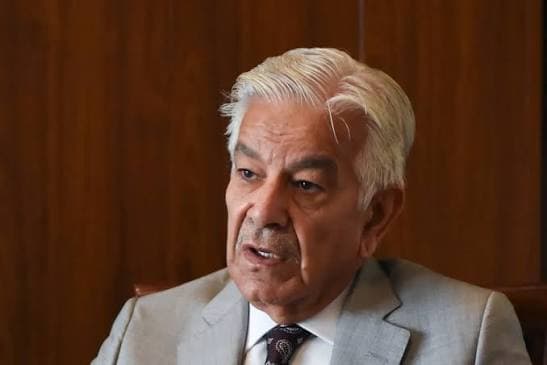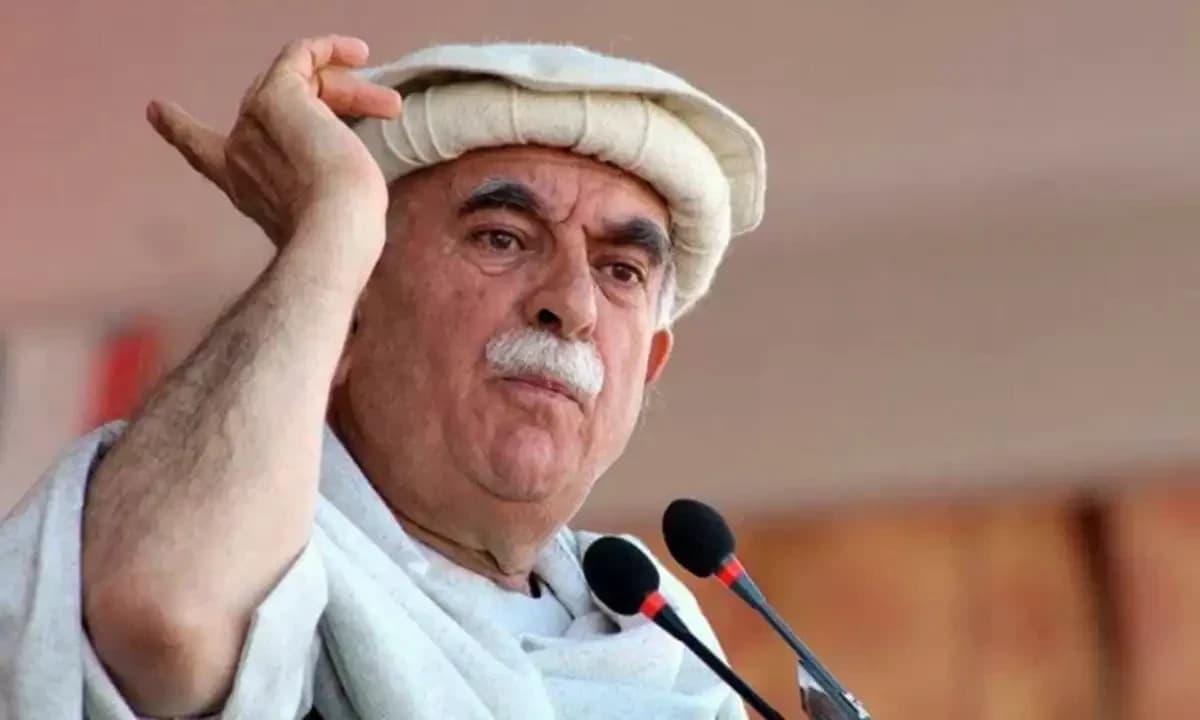
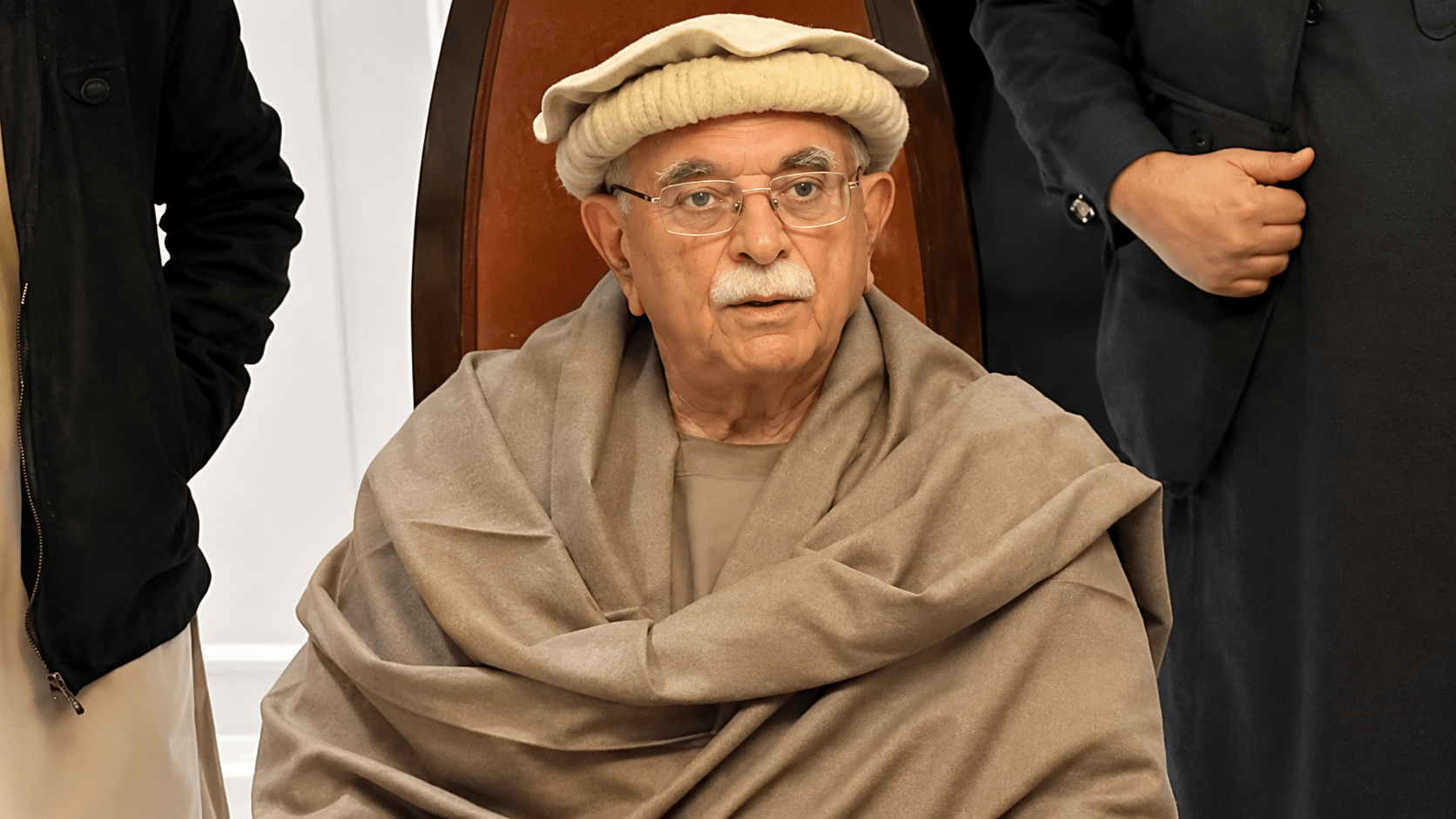
Recent remarks by Mahmood Khan Achakzai, a Pakistani politician and opposition leader, regarding the acquisition of Afghan national identity cards (tazkiras) by Pashtuns in Pakistan have prompted reactions from several Afghan political figures.
In a post on X, Achakzai wrote that millions of Pakistani citizens hold dual nationality with various countries and argued that every Pashtun should obtain an Afghan tazkira and display it openly. He also claimed that the barbed-wire fence along the Afghanistan–Pakistan border was installed at the direction of the United States.
These remarks come as Achakzai has repeatedly voiced support in recent years for ethnic and cultural ties among Pashtuns living on both sides of the border and has criticized certain policies of the Pakistani government.
Responding to the comments, Nasir Andisha, Afghanistan’s representative in Geneva, stressed that Afghanistan’s younger generation should firmly reject such views, which he described as interference in the country’s internal affairs.
Andisha further stated that Afghanistan’s independent identity and social structure should not be used as tools for cross-border political agendas and rivalries. He warned that the expansion of transnational ethnic nationalism could fuel tensions and instability across the region.
Referring to historical developments in the twentieth century, he said that such approaches could lead to consequences similar to the ethnic conflicts that occurred in the former Yugoslavia.
In another part of his remarks, Andisha described the Taliban administration as an “ethnic, extremist, and exclusionary regime,” claiming that its policies have placed Afghanistan in a sensitive and fragile situation.
He also urged Pashtun politicians in Pakistan to focus on their own country’s political, legal, and constitutional challenges rather than involving themselves in Afghanistan’s internal affairs.
Fawzia Koofi, a former member of Afghanistan’s parliament and women’s rights advocate, also addressed the issue from a legal perspective. She emphasized that obtaining citizenship, dual nationality, or a national identity card in any country must follow legal procedures and cannot be achieved through political statements.
Addressing Achakzai directly, Koofi questioned the basis on which he believed a political declaration could make individuals eligible to receive Afghan identity documents. She also noted that some members of Tehrik-i-Taliban Pakistan (TTP) and their families had previously obtained Afghan tazkiras.
Achakzai’s remarks come at a time when tensions between Pakistan and the Taliban remain ongoing, particularly over border security issues and the deportation of Afghan migrants from Pakistan. As of the publication of this report, neither the Pakistani government nor the Taliban had issued an official response to his statements.
Writer:Salima Aryaei