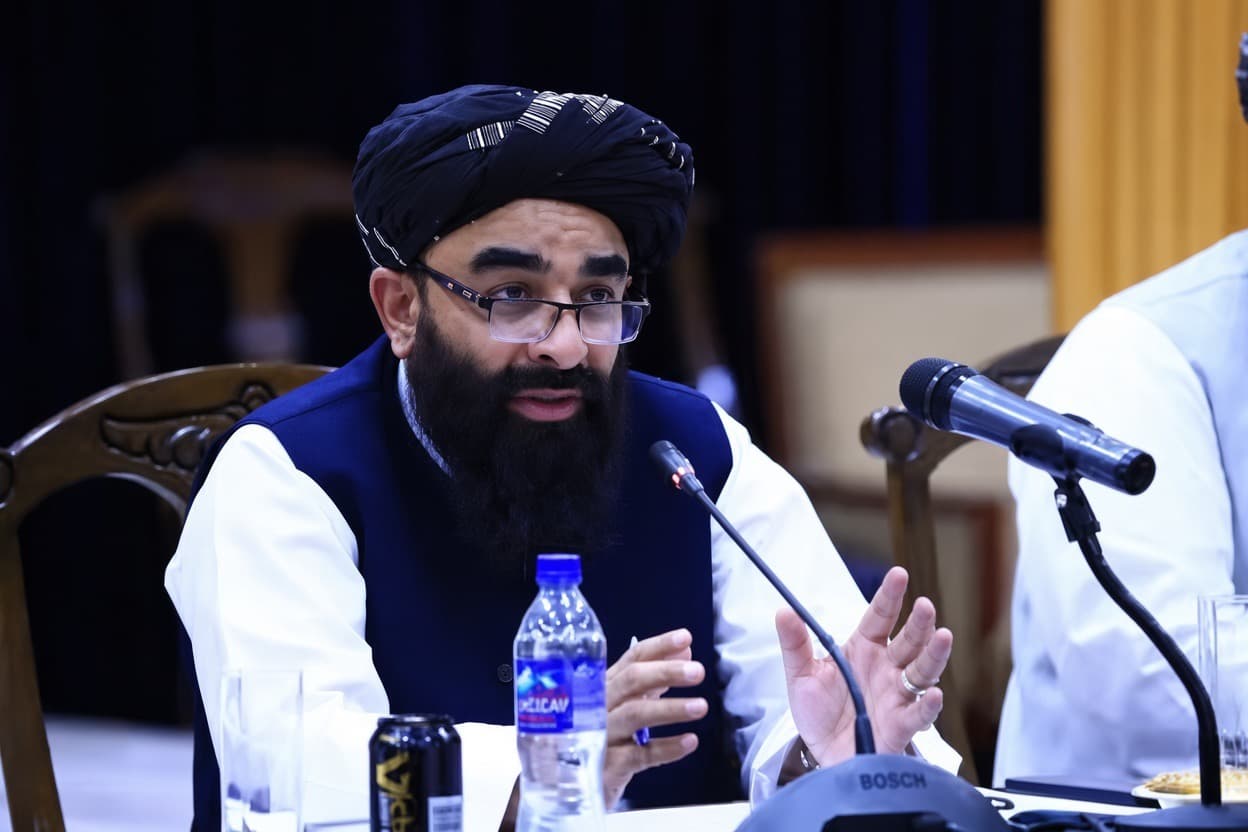
Faisal Mukhtar, the Taliban’s deputy governor for Nuristan Province, said the death toll from last week’s devastating floods has risen to more than 30. According to him, the bodies of 20 victims have so far been recovered, while at least 10 others remain missing. He added that search operations for the missing are still ongoing.
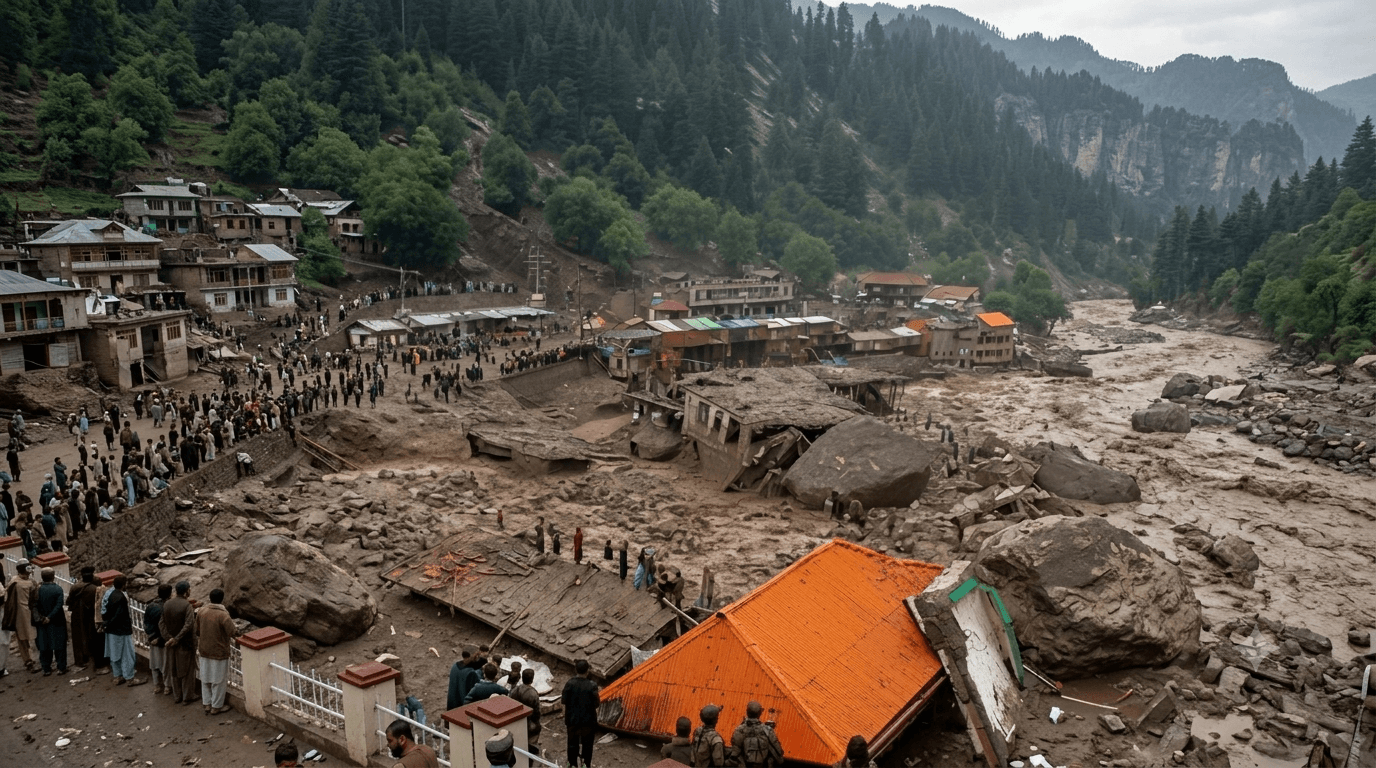
The deadly floods struck parts of Nuristan on Monday, July 21, following heavy rainfall. In addition to causing significant loss of life, the disaster inflicted extensive damage and left hundreds of families severely affected.
The Taliban deputy governor said the floods caused widespread destruction to Nuristan’s infrastructure. He stated that in the provincial capital, around 10 marketplaces comprising more than 90 shops were destroyed. In addition, seven houses were completely washed away, while another 82 homes sustained damage.
The United Nations Office for the Coordination of Humanitarian Affairs (OCHA) had previously reported that the floods affected thousands of people and created urgent humanitarian needs, including shelter, food, safe drinking water, healthcare, and sanitation services. The agency also warned that flood-affected communities in Nuristan are facing severe shortages of medical care, essential medicines, clean drinking water, and hygiene facilities.
Nuristan is one of Afghanistan’s mountainous and remote provinces, and relief officials say difficult access to many of the affected areas has posed major challenges to search-and-rescue operations, emergency response efforts, and the delivery of humanitarian assistance.
Afghanistan is among the countries most vulnerable to the impacts of climate change. In recent years, the frequency of flash floods, droughts, and other extreme weather events has increased across the country, repeatedly causing loss of life and extensive economic damage.
Writer:Salima Aryaei