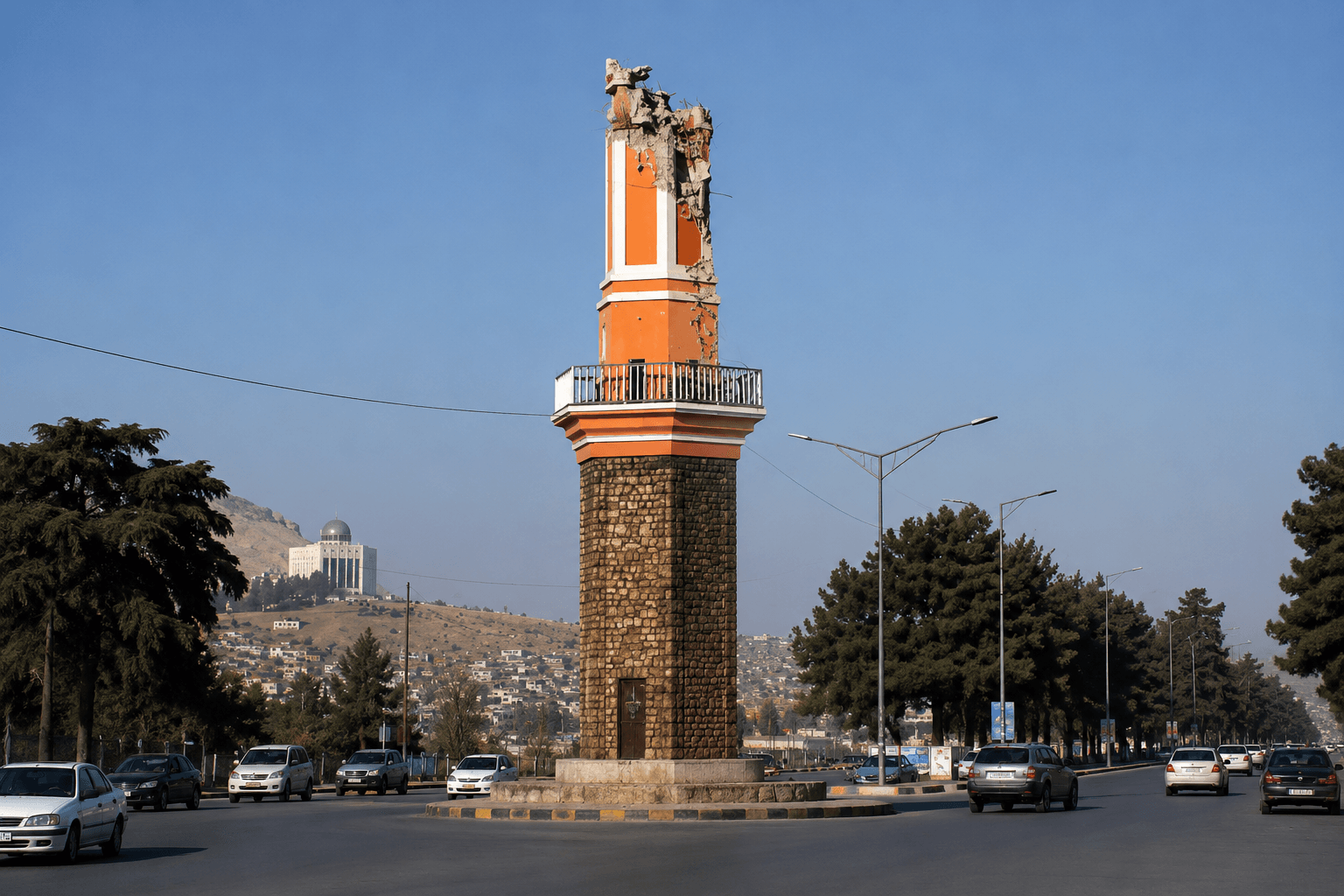
The demolition of Minar-e-Nijat in Kabul, one of the historical symbols of Afghanistan ’s capital, has sparked widespread reactions among citizens, cultural activists, and some political figures. The incident has once again brought debates over historical heritage and differing narratives of Afghanistan ’s past into the spotlight.
Some consider the monument a reminder of the period that marked the end of the political instability during the rule of Habibullah Kalakani, while a number of his supporters describe him as a popular figure and a mujahid. These differing perspectives have led to conflicting interpretations of the monument’s historical value.
On the other hand, the Taliban, who are also critics of King Amanullah Khan’s era, have demolished the monument. Critics describe the move as an attempt to alter or reinterpret Afghanistan’s historical narratives and consider it controversial.
In the official historical narrative of Afghanistan, Minar-e-Nijat is regarded as a symbol of the end of Habibullah Kalakani’s short-lived rule and the beginning of a new political era in Kabul under the leadership of Mohammad Nader Shah. This historical symbol holds a special place in the collective memory of some citizens.
The Kabul Municipality announced that the demolition of the monument was carried out as part of urban development projects, particularly to address traffic problems and construct new bridges. However, some urban planning experts believe the action could have been avoided and that the historical structure could have been preserved through better design solutions.
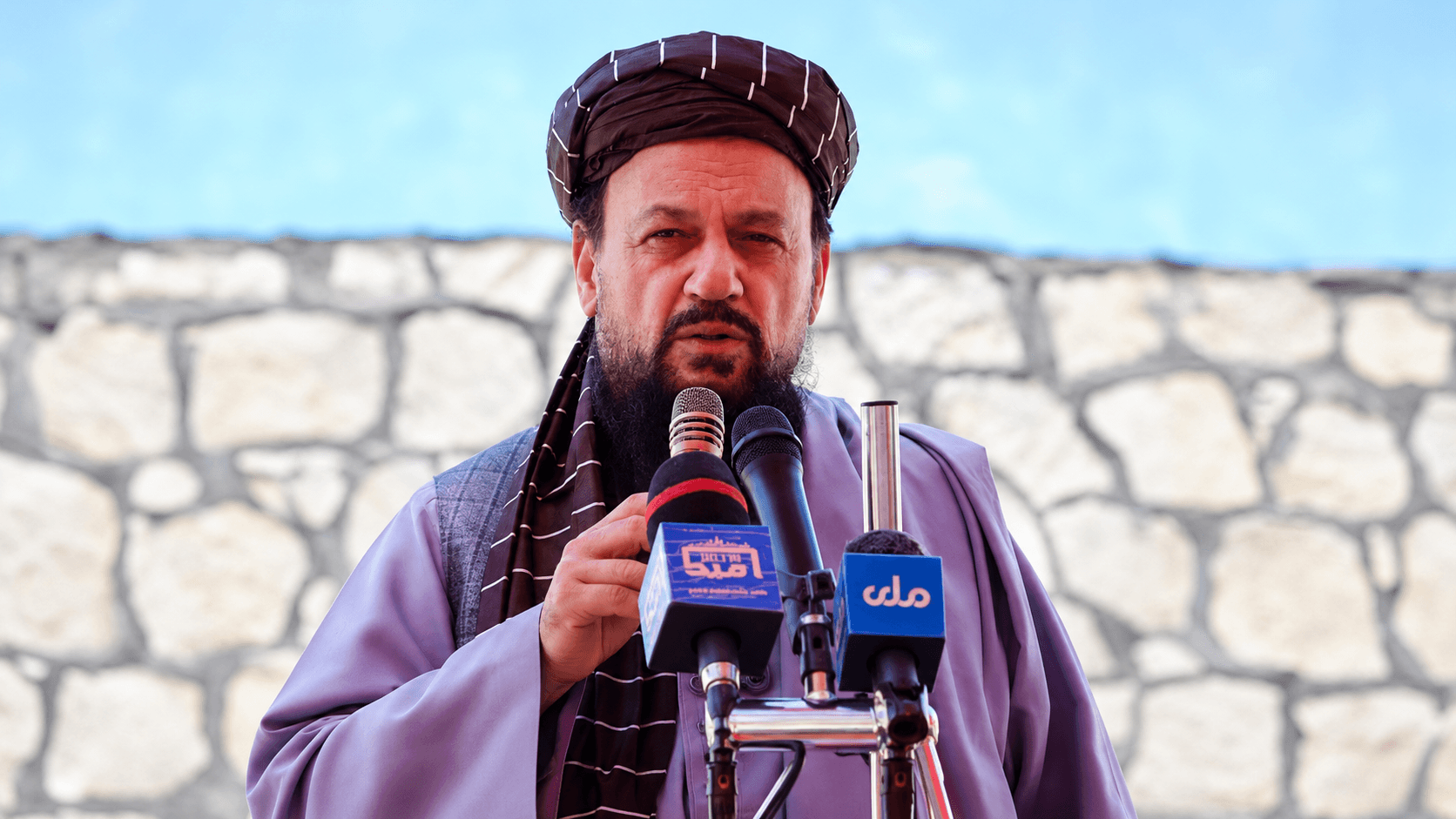
Nematullah Barakzai, spokesperson for the Kabul Municipality, said that the monument will be rebuilt. He emphasized that the historical site carries an “important epic” behind it and that the municipality respects it. He also noted that the monument had previously been demolished and rebuilt.
He added that the monument holds cultural and historical significance for the citizens of Kabul, especially residents of the southern parts of the city, and that attention to it will be included in future plans.
Kamal Nasser Osuli, a former member of parliament, reacted to the event on Facebook, describing the demolition of Minar-e-Nijat as an act supporting Habibullah Kalakani and opposing historical values. He stressed that urban development should not become an excuse for removing historical symbols and called on the public to remain sensitive to such actions.
In contrast, Fahim Kohdamani, a political activist, offered a different view, saying the monument should have been removed years ago. He described some historical symbols as reflections of ethnic divisions and urged critics to focus on more important national issues instead.
Mohammad Halim Fidai, a former governor during the government of Mohammad Ashraf Ghani, also reacted to the issue, saying that focusing on the demolition of a single monument while broader crises exist in the country does not present a complete picture of Afghanistan’s situation. He stressed that as long as the current political and intellectual structures remain unchanged, deep-rooted challenges will continue.
Some cultural observers have emphasized the importance of preserving historical heritage and warned that neglecting such monuments could weaken society’s historical memory. They have called for more careful evaluation of development projects in historical areas.
While discussions continue regarding the reconstruction of Minar-e-Nijat, the incident has once again highlighted long-standing disagreements over historical narratives, national identity, and cultural symbols in Afghanistan.
Writer:Salima Aryaei