
Reporters Without Borders says the Taliban have turned Afghanistan’s legal and regulatory system into an “instrument of repression” against the media. According to the organization, over the past five years, the Taliban have issued more than 20 nationwide directives, along with an increasing number of local orders, governing media activities.
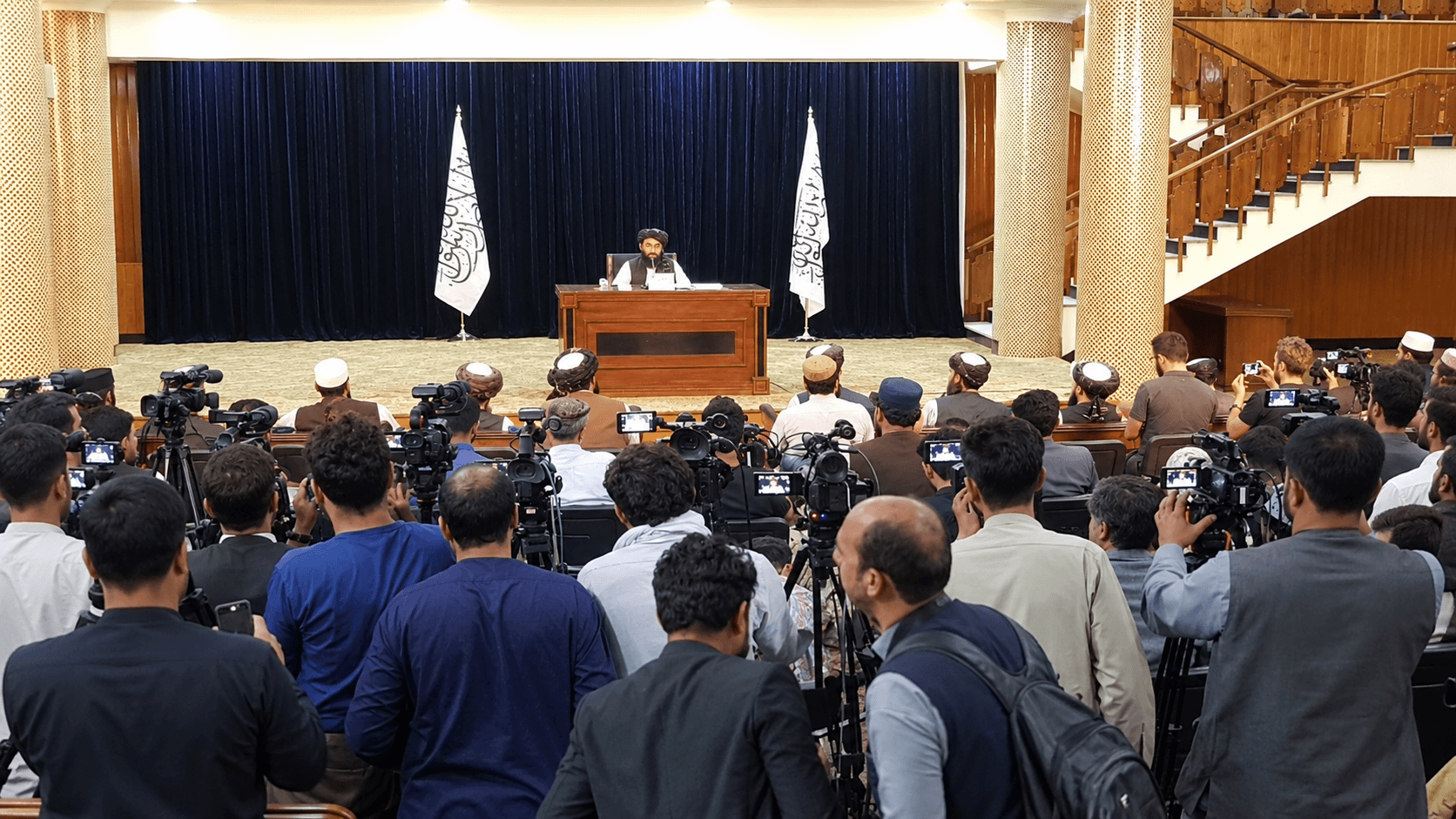
The organization says these directives have gradually determined what subjects the media can cover, which individuals are permitted to appear on programs, and how journalists can report on the activities and conduct of the Taliban.
In a report marking the fifth anniversary of the Taliban’s return to power, Reporters Without Borders reviewed a series of decrees, orders, and verbal instructions issued by Taliban institutions between September 2021 and January 2026.
According to the report, the restrictions imposed cover issues including criticism of Taliban officials, rebroadcasting programs from international media outlets, the presence and voices of women in the media, live political programs, the selection of guests and experts, the broadcasting of images of living beings, and reporting on politically sensitive issues.
Reporters Without Borders described the trend as a “five-year rollback of media freedom,” saying that restrictions were initially imposed largely through administrative and verbal orders but have gradually moved toward the establishment of a more formal legal framework.
According to the organization, this process entered a new phase in January 2026 with the introduction of the “Regulation on Criminal Proceedings of the Courts.” Reporters Without Borders says the regulation was drafted without public consultation and that its text became available to journalists and human rights organizations through leaks.
The organization added that although the regulation does not explicitly mention the media, it also provides no explicit immunity or exemption for journalistic activities. In the view of Reporters Without Borders, this situation raises concerns about how media activities may be treated by the courts.
According to the organization’s assessment, Article 23 of the regulation grants Taliban judges broad powers to deal with critical and opposing views. Reporters Without Borders has warned that these powers could eventually become a legal tool used against journalists and commentators.
Célia Mercier of Reporters Without Borders said the regulation could, in practice, consolidate the restrictions imposed over the past five years within a formal legal framework. She said the provisions could pave the way for penalties for criticizing officials, communicating with Taliban opponents, and reporting on politically sensitive issues.
Reporters Without Borders also warned that journalists could, in some cases, face pressure to provide information about their sources or colleagues. According to the organization, such a situation could undermine the confidentiality of journalistic sources and place independent journalism at greater risk.
Mercier added that vague definitions of concepts such as “rebellion,” “subversion,” and “apostasy,” combined with severe penalties, could create grounds for applying the regulation against journalists, experts, and others whom the Taliban regard as critics.
Writer:Salima Aryaei