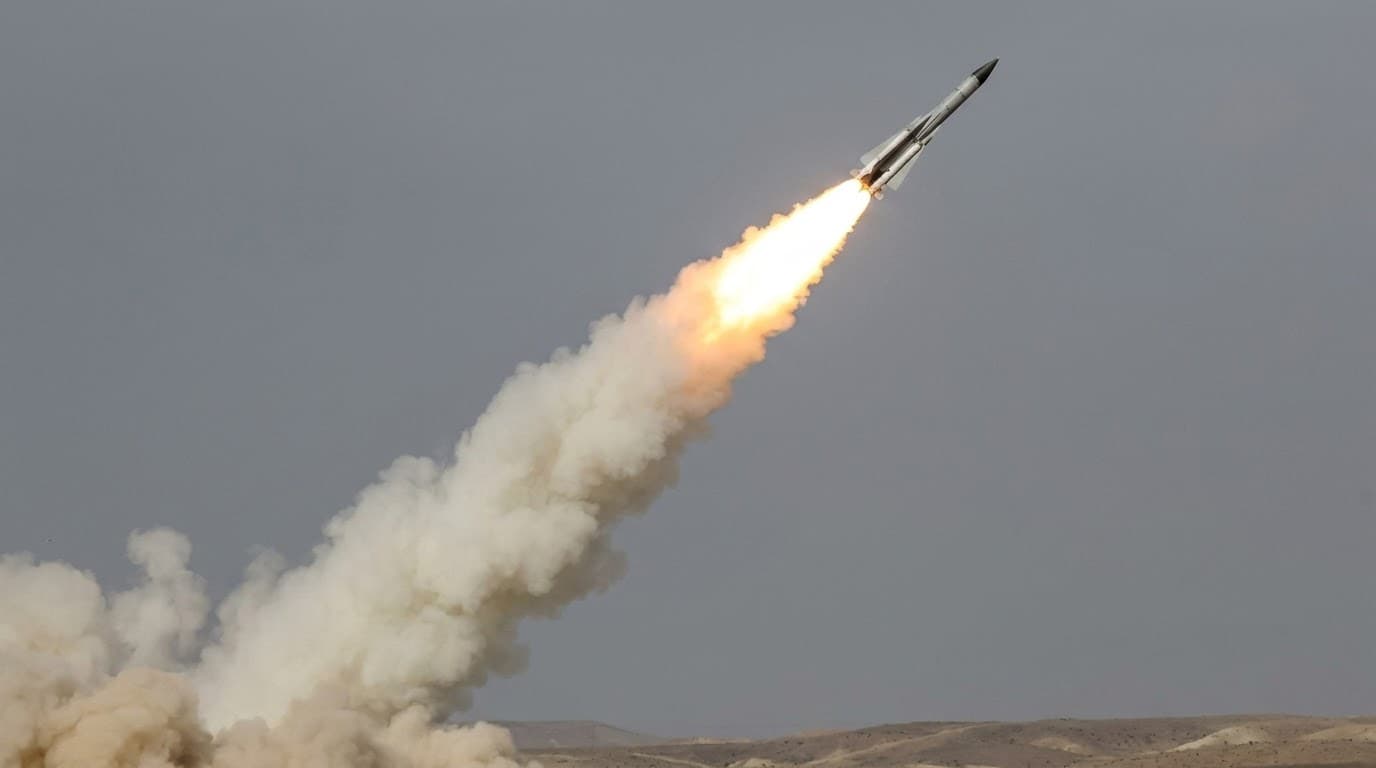
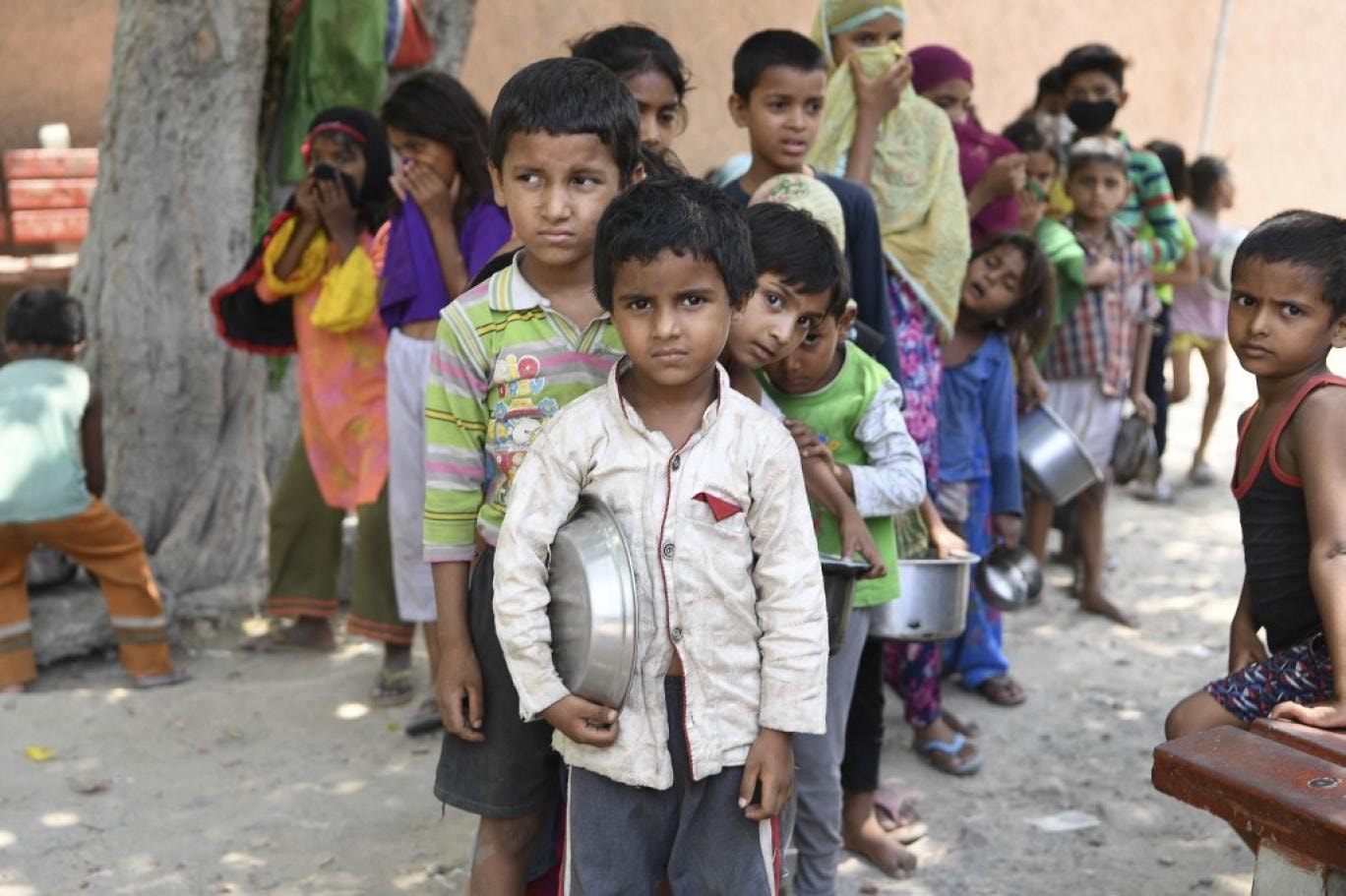
The United Nations World Food Programme (WFP) has warned that the ongoing conflict in the Middle East is placing millions more people at heightened risk of hunger. According to the agency, rising fuel and transportation costs have driven up food prices, while simultaneous funding shortages have forced humanitarian organizations to scale back portions of their relief operations.
Based on the WFP’s assessment, households in Afghanistan, Somalia, and Sri Lanka are among the most vulnerable populations affected by the crisis. The agency notes that escalating fuel costs, surging food prices, declining incomes, and disruptions to trade have imposed severe economic and livelihood pressures on these countries.
The WFP stated that the regional conflict in the Middle East and disruptions along key maritime shipping routes, including the Strait of Hormuz, have constrained global energy flows and supply chains. As a result, the cost of transporting goods and delivering humanitarian assistance has risen substantially.
The organization had previously warned that if oil prices remained around $100 per barrel, as many as 45 million people could face acute food shortages and the risk of hunger. The WFP now reports that early signs of this scenario are beginning to materialize.
According to the report, approximately 6.5 million people in Somalia nearly one-third of the country’s population are expected to experience severe hunger in 2026. In Afghanistan, an estimated 17.4 million people could be affected by food insecurity.
The agency further cautioned that conditions may deteriorate significantly if current disruptions persist. Under such circumstances, an additional 2.5 million people in Somalia and 2.3 million more in Afghanistan could face severe food insecurity and hunger. Both countries remain heavily dependent on imported food and energy supplies.
The WFP has also reported a critical funding shortfall affecting its humanitarian operations. The agency projects that in 2026 the number of people receiving its assistance will decline by at least 1.5 million. Should the crisis continue for another six months, that figure could rise to as many as 9 million people.
In Afghanistan, sharp increases in fuel prices have driven the cost of delivering humanitarian aid to as much as five times previous levels. Furthermore, aid deliveries that once took approximately 10 days can now require up to 75 days due to the necessity of using alternative transportation routes.
The WFP also reported that rising aviation fuel costs in Somalia have significantly increased the expense of United Nations humanitarian flights. In many remote areas of the country, these flights represent the only safe and viable means of delivering life-saving humanitarian assistance.
Writer:Salima Aryaei