The United Nations Office on Drugs and Crime (UNODC) has warned in its World Drug Report 2026 that the unprecedented decline in opium production in Afghanistan, coupled with the rapid expansion of synthetic opioids, is reshaping the structure of the global drug market.
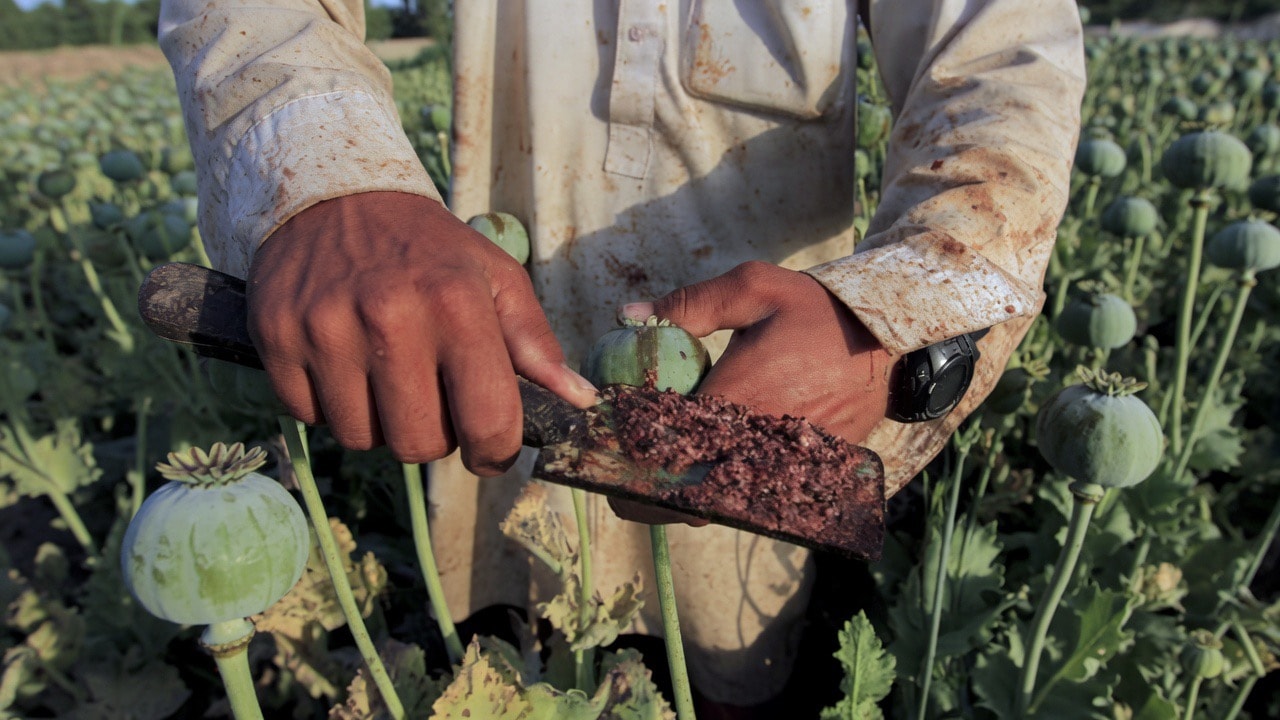
According to the report, released on Friday, June 26, Afghanistan produced around 80 percent of the world’s illicit opium until 2022. However, following the Taliban’s ban on poppy cultivation, the country’s opium production has fallen by 95 percent.
The report states that the area under poppy cultivation declined from approximately 232,000 hectares in 2022 to just 10,200 hectares in 2025. Opium production also dropped dramatically, from 6,200 metric tons to around 296 metric tons.
Despite the sharp decline, the UN said that remaining opium stockpiles in Afghanistan are likely to meet part of global market demand through the end of 2026.
The report emphasizes that heroin is no longer the only dominant substance in the global opioid market. According to the UN, two simultaneous developments the steep decline in Afghanistan’s opium production and the growing availability of powerful synthetic opioids such as fentanyl and nitazenes—are driving a fundamental transformation of the global opioid market.
The UN warned that the reduction in heroin supply is pushing traffickers to seek alternative substances. According to the report, both actual and perceived shortages of heroin could encourage traffickers to shift toward synthetic opioids, including fentanyl, nitazenes, and other similar substances.
The report notes that synthetic opioids are cheaper, more potent, and easier to produce than heroin. Unlike heroin, they do not depend on poppy cultivation. The UN stressed that if this trend continues, the global opioid market could increasingly shift from plant-based narcotics to synthetic drugs.
The organization also said that despite the collapse in production, Afghanistan’s existing opium stockpiles have not yet been fully depleted. Current estimates suggest these reserves could last until the end of 2026.
According to the report, the continued seizure of opium and heroin in Afghanistan and neighboring countries is largely attributable to these remaining stockpiles. However, the volume of such seizures has declined compared with the period before the poppy cultivation ban, and there are growing signs of reduced heroin supply in global markets.
Writer:Salima Aryaei