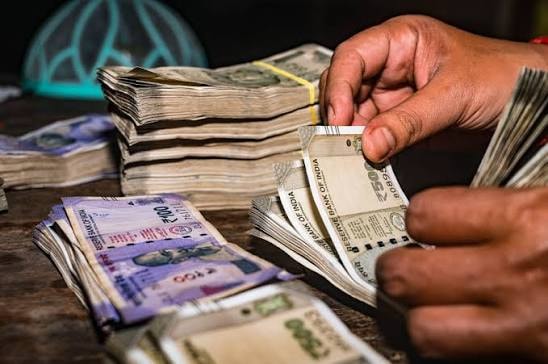
It has only been four months since the Reserve Bank of India referred to the country’s high economic growth and low inflation as a “golden period,” an assessment that reflected relative stability in the nation’s economy.
However, this optimism did not last long, as geopolitical developments, particularly the war in the Middle East and disruptions in oil markets, unexpectedly impacted India’s growth prospects. These conditions have increased pressure on key macroeconomic indicators.
The most noticeable impact of these developments has been on the value of the Indian rupee, which has fallen to its lowest historical level, weakening by nearly 10 percent against the U.S. dollar over the past year. This depreciation has raised concerns about financial stability.
Although the Reserve Bank of India has intervened to some extent to curb the depreciation, many experts believe that this trend will not be sustainable, and if tensions continue, additional pressure will be placed on the rupee.
According to Bernstein’s assessment, in the worst-case scenario, if the conflicts continue until 2026, the value of the rupee could fall to over 110 units per dollar, a situation that could have far-reaching consequences for the country’s economy.
The continuous weakening of the national currency could affect various sectors of the economy, from rising prices for consumers to reduced corporate profitability, growing government budget deficits, and a decline in investment flows into financial markets.
Alongside the outflow of foreign capital, key Indian stock market indices have dropped by about 12 percent since the beginning of the year. This trend has also weakened the “wealth effect” and negatively impacted the consumption patterns of higher-income groups.
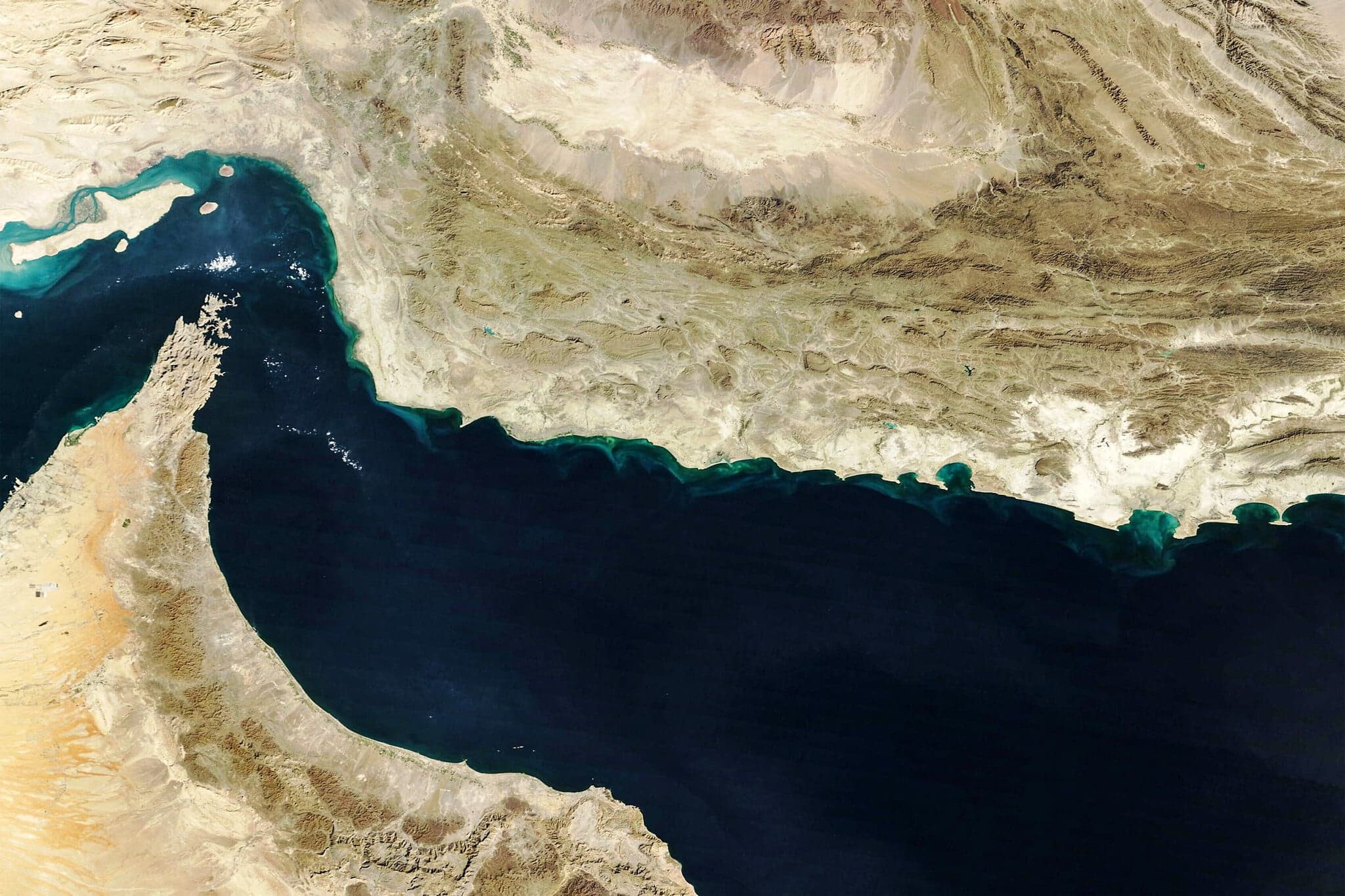
In addition to these issues, disruptions in energy trade have also affected India’s economy. While Iran has allowed some Indian ships to pass through the Strait of Hormuz, the shortage of cooking gas has led to the closure of several restaurants and hotels.
Overall, the continuation of global tensions has cast uncertainty over India’s inflation and growth outlook, presenting new challenges for the country’s policymakers.