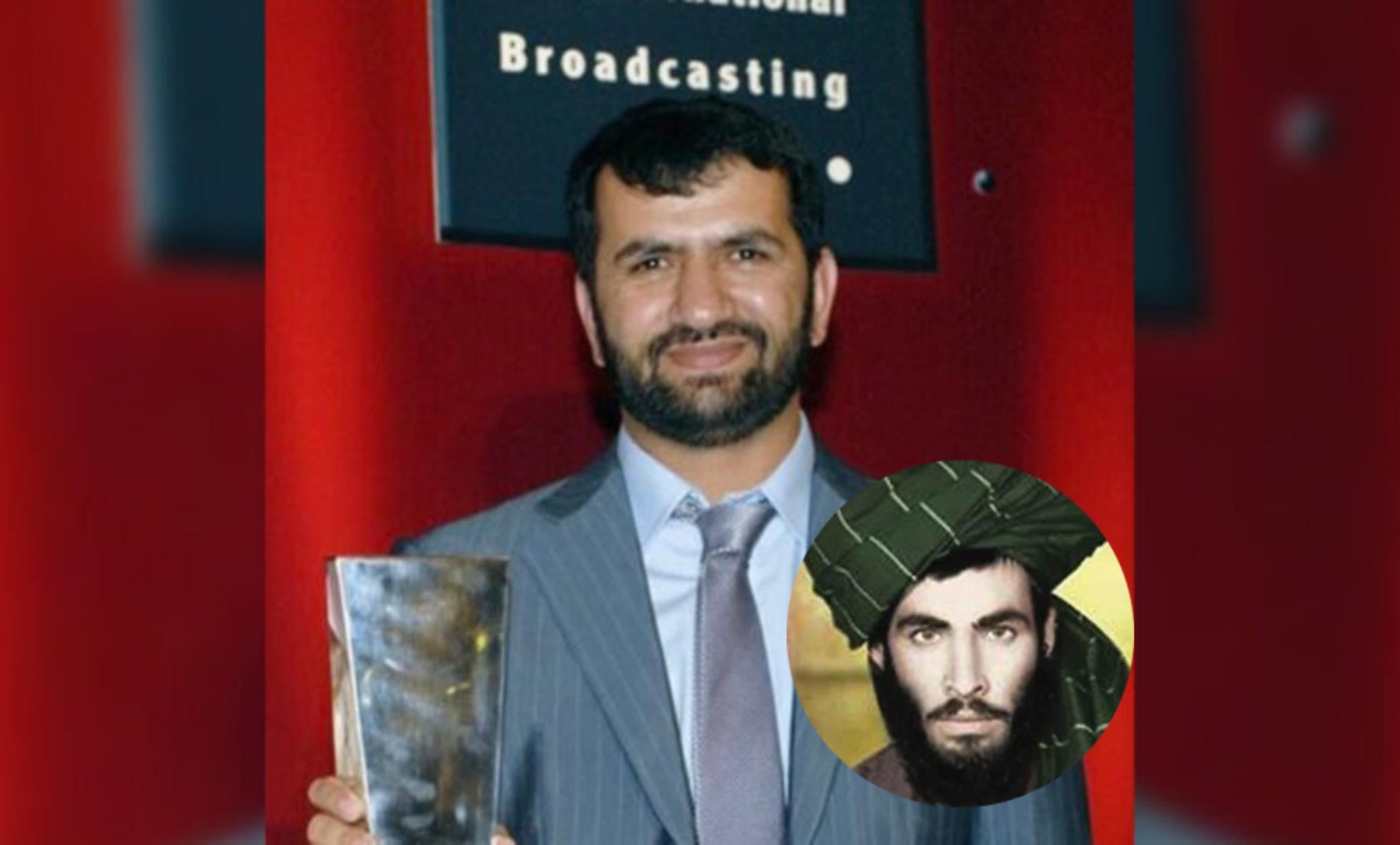
In a recent article, Afghan journalist Sami Yusufzai has provided a new perspective on the final years of the life of the Taliban’s founder, Mullah Mohammad Omar, revealing fresh details about his secretive life, living conditions, and health status.
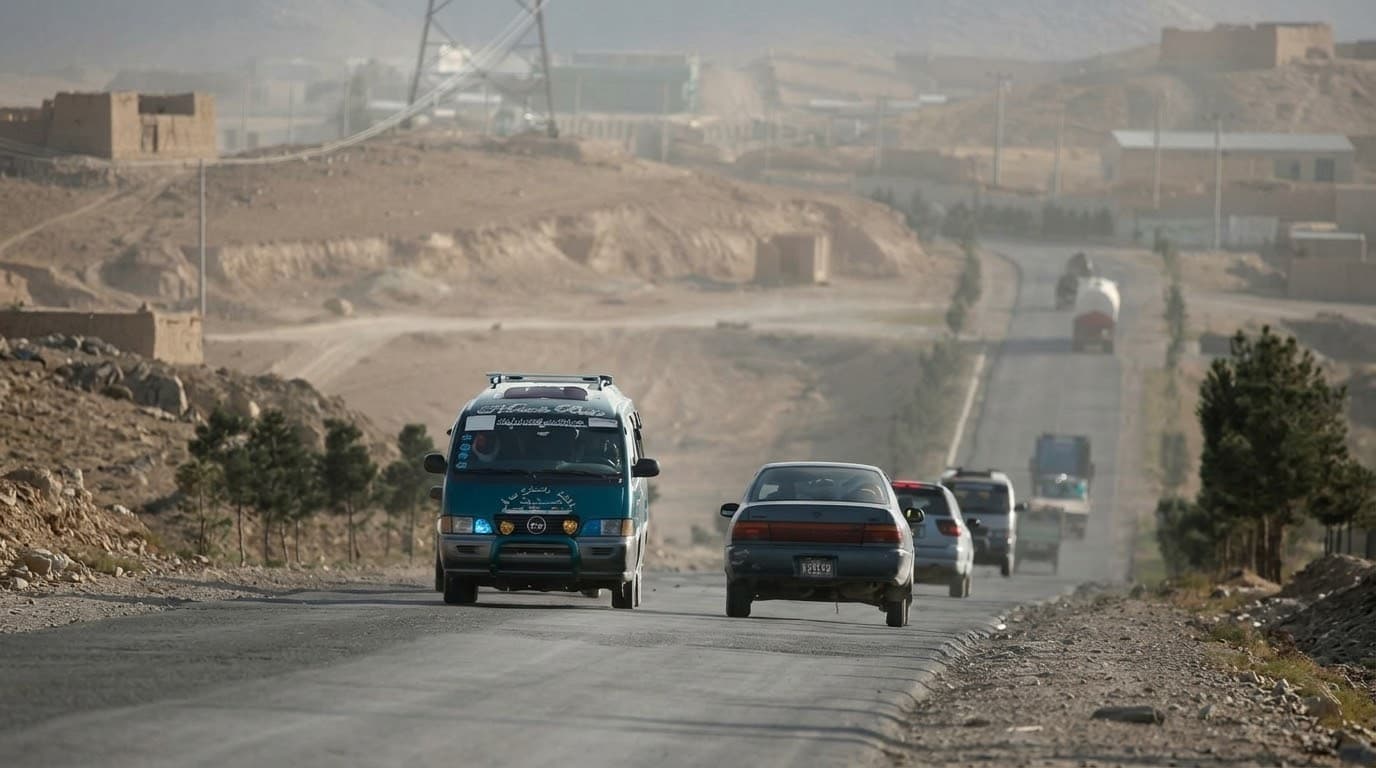
According to Yusufzai, quoting Mullah Jabbar, Mullah Omar spent many years in a small, dark room made of mud walls in a village in Zabul province, with limited contact with people. The report further indicates that he spent those years in isolation and under harsh conditions, eventually dying from tuberculosis (TB).
Mullah Jabbar mentions that Omar would often sit in that small room, and during the heat, his sweat would leave marks on the walls, which later created a controversial image for those who visited him.
Yusufzai also notes that some of the Taliban’s supporters consider this harsh lifestyle a sign of spiritual elevation and sacrifice, while critics view it as a violation of basic human life standards and health principles.
In conclusion, Yusufzai raises an important question: If Mullah Omar was considered a strong and decisive leader, why did he spend years in a secretive and limited environment instead of taking on an open leadership role? This remains an ambiguous topic amidst various analyses and rumors.
Writer:Saeed Sameer