Following criticism by participants at the Organization of Islamic Cooperation (OIC) Ministerial Meeting on Women’s Affairs in Pakistan over the Taliban’s continuing restrictions on women and girls in Afghanistan, Taliban spokesperson Zabihullah Mujahid said that women’s rights in the country are guaranteed under Islamic Sharia and that the group is not prepared to define those rights according to the expectations of international organizations or what he described as “Western values.”
Mujahid stated that the Taliban administration considers itself responsible for safeguarding women’s rights and addressing their needs within the framework of Islamic Sharia, adding that, from the group’s perspective, there is no cause for concern on this issue. He also said that the Taliban’s leadership is composed of Islamic scholars who, according to him, are better qualified to interpret and define Islamic rights.
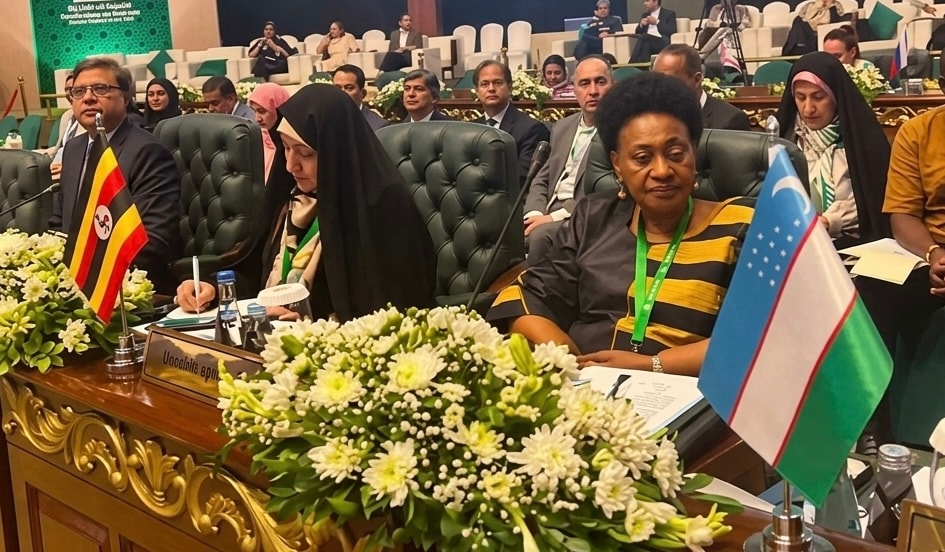
His remarks came after ministers responsible for women’s affairs from OIC member states concluded their two-day meeting in Islamabad by issuing the “Islamabad Declaration,” expressing deep concern over the continued restrictions on girls’ education and women’s employment in Afghanistan.
The declaration stated that these restrictions are incompatible with Islamic values, which emphasize the dignity, rights, and advancement of women and girls. It also called on the Taliban to ensure that women and girls have access to education and employment opportunities.
At the same time, Khalid Hanafi, the Taliban’s Minister for the Promotion of Virtue and Prevention of Vice, said during a visit to Herat that international advocates of human rights have an incorrect understanding of the concept of human rights, reducing it to only a few issues. He also accused some Afghan citizens living abroad of presenting a distorted picture of the situation in Afghanistan through their reports and public statements.
Meanwhile, a number of Afghan women and girls rejected these claims. One Kabul resident, who requested anonymity, said: “The Taliban claim they have secured women’s rights under Sharia, but we have been deprived of our most basic rights, including the right to education, work, and higher education.”
Previously, a number of Islamic scholars had also emphasized that women’s education, higher learning, and employment are fundamental teachings of Islam, and that banning women and girls from education and employment has no basis in Islamic Sharia.
Writer:Salima Aryaei