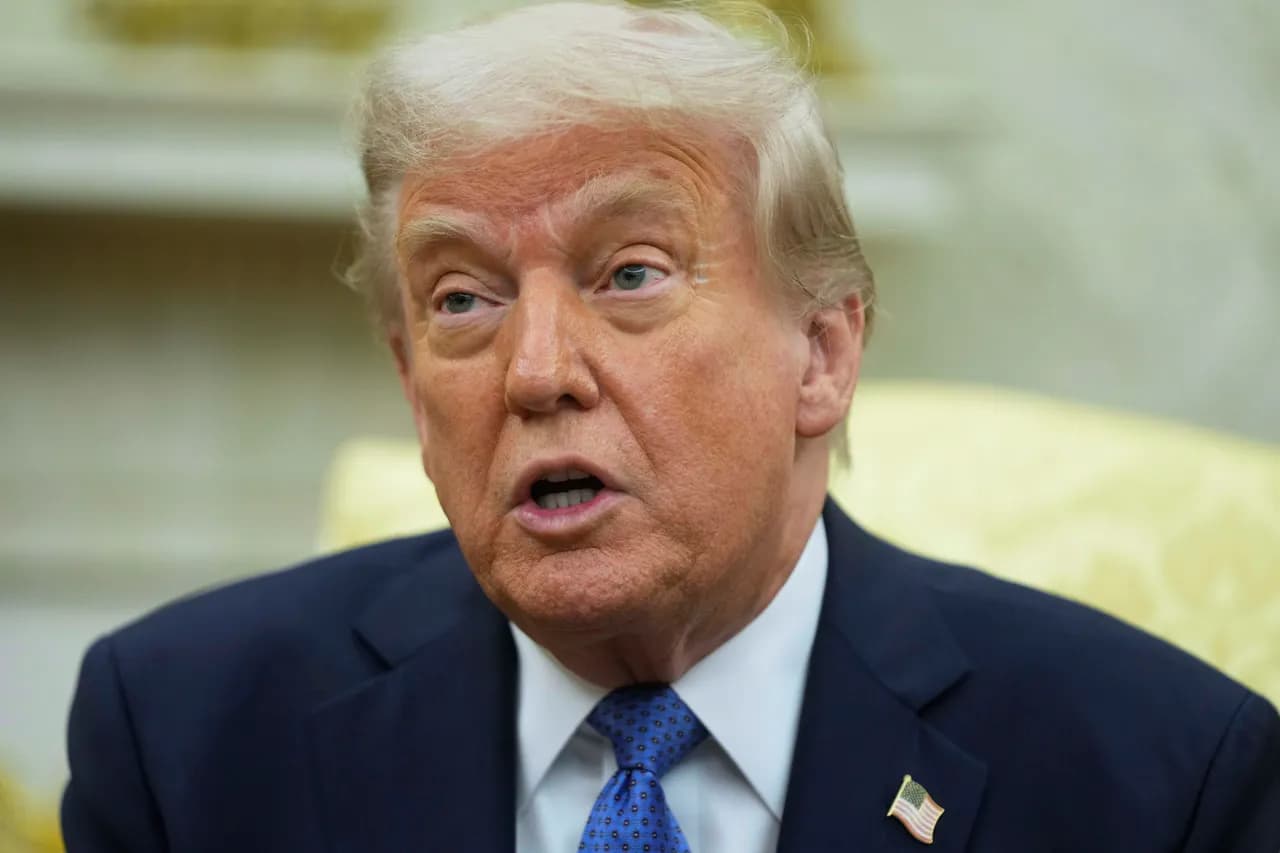
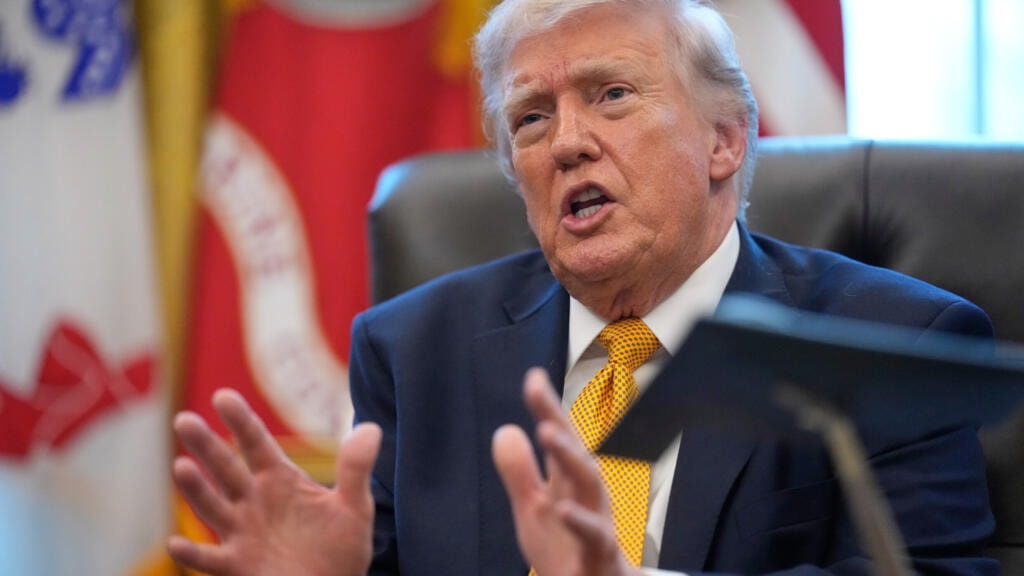
Donald Trump, the U.S. President, has notified Congress in a letter that military conflict with Iran has officially resumed. This action, taken under the War Powers Resolution, grants his administration a new 60-day window to continue military operations without seeking fresh congressional authorization.
In the letter dated July 10, a copy of which was obtained by Politico, Trump wrote that military strikes commenced on July 7. He stated that the actions were carried out under the president's constitutional authority to protect United States citizens and interests both at home and abroad.
The transmittal of the letter follows Trump’s formal declaration ending a two-month ceasefire between the U.S. and Iran. Originally established in April, the ceasefire was repeatedly violated by retaliatory strikes from both sides, though U.S. officials had previously maintained that full-scale hostilities had not resumed.
Officials from U.S. Central Command (CENTCOM) announced that American forces have targeted more than 300 Iranian military objectives over the past week in response to Tehran's attacks in the Strait of Hormuz. On Monday, Trump also stated that the U.S. would reimpose a naval blockade on Iran and seize control of the Strait of Hormuz.
Trump had previously informed Congress in May that the conflict, which began in February, had concluded. At the time, the White House argued that the ceasefire paused the 60-day clock mandated by the War Powers Resolution. However, several lawmakers rejected this interpretation, asserting that the continued U.S. military presence and naval blockade indicated that hostilities had not truly ended.
The formal resumption of conflict poses a greater challenge to congressional efforts to curb the president's war powers. Last month, the U.S. Senate voted 50–48 in favor of a resolution demanding an end to unauthorized military actions.
While the House of Representatives had previously passed a similar resolution, these measures are non-binding, and any legislative attempt to restrict presidential authority is highly likely to face a White House veto.
Trump concluded his letter by emphasizing that U.S. forces remain poised to take further action, as necessary and proportionate to threats or attacks against the United States and its allies. He stated this posture would be maintained until the Islamic Republic no longer poses a threat to the U.S. and its partners.
Writer:Salima Aryaei