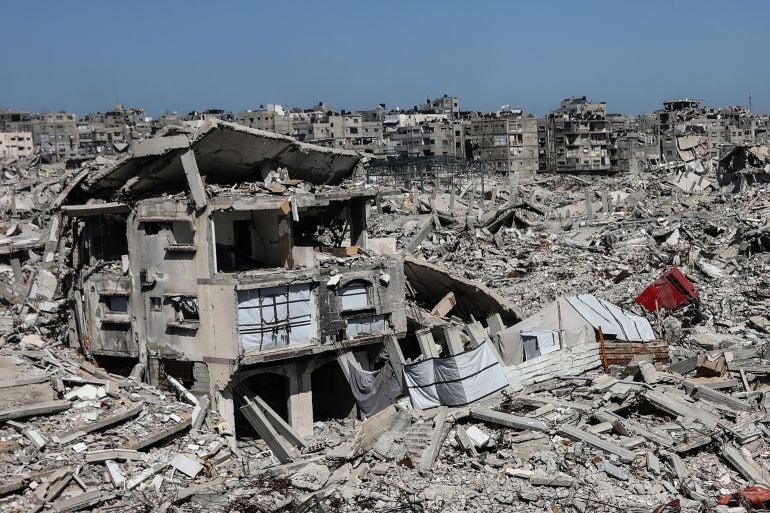
The European Union announced on Monday that it would allocate approximately €900 million, equivalent to nearly one billion dollars, to support the reconstruction process in the Gaza Strip. The financial package was announced as a large part of the territory remains devastated by war and humanitarian needs continue to be extensive.
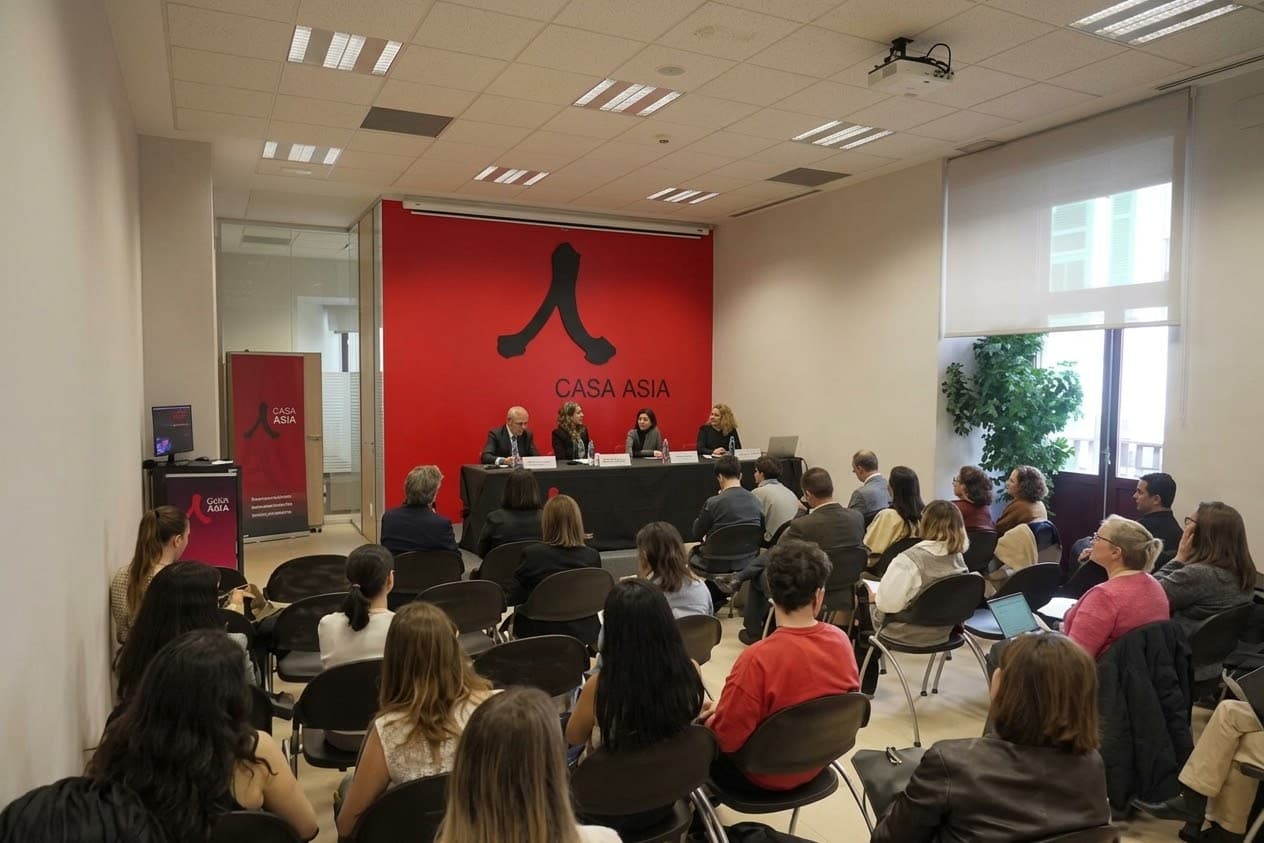
Dubravka Šuica, the European Commissioner for the Mediterranean, announced the funding following a meeting of the “Palestine Donors Group” in Brussels. The meeting brought together representatives from EU member states, several Middle Eastern countries, international organisations, and financial institutions to discuss coordination of aid efforts and the reconstruction of Gaza.
Referring to the current situation in Gaza, Šuica said that the ceasefire remains fragile and that there has been no significant improvement in the conditions faced by civilians. She added that the assistance would be distributed through “trusted partners,” but did not provide further details on the mechanism for implementing the programme.
Despite the announcement of the financial commitment, it remains unclear how much of the funding will actually be delivered and when the reconstruction process will begin. European officials have not yet announced a specific timeline for implementing the plan.
A joint assessment by the United Nations, the World Bank, and the European Union estimates that the reconstruction of Gaza will require approximately $70 billion. Much of the territory, home to more than two million people, has been either completely destroyed or severely damaged as a result of the war.
The United Nations has stated that more than 60 million tonnes of rubble remain in Gaza — an amount equivalent to filling nearly 3,000 container ships. According to the assessment, removing the debris could take more than seven years, after which landmine clearance operations would also need to be carried out.
Mohammad Mustafa, Prime Minister of the Palestinian Authority, once again emphasised the need for the establishment of an independent, unified, and viable Palestinian state a proposal opposed by the Israeli government. The Palestinian Authority has also called for a role in the reconstruction of Gaza, while the 20-point US plan only refers to the possibility of establishing a Palestinian state in the future.
Meanwhile, foreign ministers from the 27 EU member states held discussions in Brussels on rising violence by Israeli settlers in the West Bank and possible responses. The European Commission has proposed options including the suspension of trade relations with Israeli settlements in the West Bank.
EU member states remain divided over how to address the issue. Ireland and Spain have called for stronger measures, while Germany, the Czech Republic, and several other countries, along with the European Commission, support a more cautious approach involving gradually increasing pressure on Israel. Some member states have also expressed opposition to any form of sanctions.
Writer:Salima Aryaei