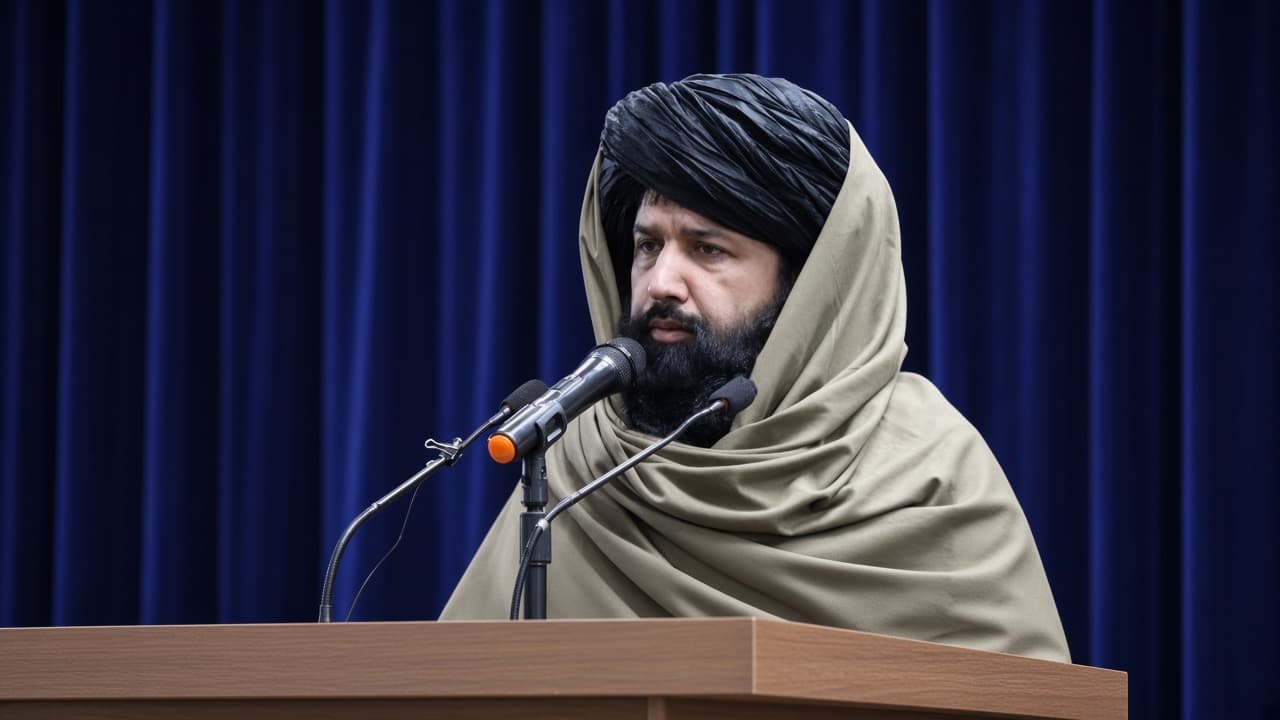
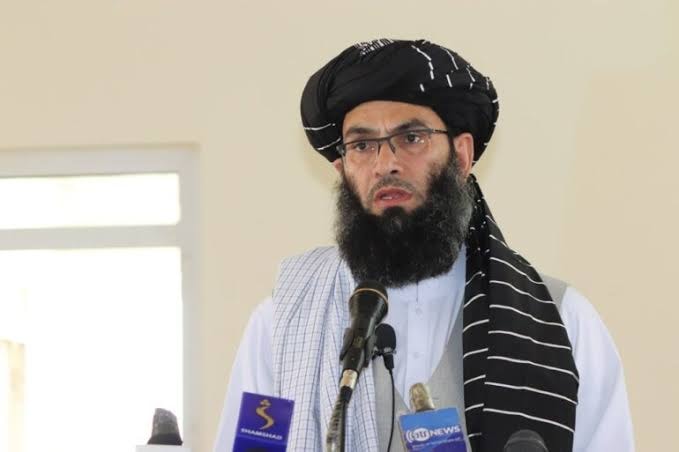
Khalid Hanafi, the Taliban’s Minister for the Propagation of Virtue and Prevention of Vice, claimed that in the Uzbek cities of Samarkand, Bukhara, and Termez—despite their rich Islamic and historical heritage Islam today “survives only on people’s tongues.” He attributed this situation to what he described as Uzbek religious scholars delegating the enforcement of Islamic law to the government.
The remarks come despite Uzbekistan being a predominantly Muslim country. Estimates indicate that approximately 90 to 95 percent of its population is Muslim, while religious minorities include Orthodox Christians, Catholics, Protestants, Jews, Baháʼís, and followers of several other faiths.
Uzbekistan, which has developed increasingly close relations with the Taliban in recent years, has not yet responded to the minister’s remarks.
On Saturday, July 11 (20 Saratan in the Afghan calendar), the Taliban’s Ministry for the Propagation of Virtue and Prevention of Vice published the text of Hanafi’s speech. Speaking during a visit to northern Afghan provinces, he warned that, according to him, “laxity in enforcing religious rulings” would bring about “divine punishment.” He stressed that the Taliban would continue to enforce Islamic injunctions through the ministry’s activities.
Hanafi also said that the ministry’s muhtasibs (morality inspectors) are present throughout Afghanistan. He urged citizens to intervene personally if they witnessed what he described as munkar (forbidden or immoral acts), and, if unable to do so, to report such cases to the ministry’s inspectors.
In another part of his speech, responding to criticism of women’s rights in Afghanistan, Hanafi argued that those who speak about women’s rights should also remember, in his words, the imprisonment of women at Bagram prison during the previous government and the presence of foreign forces in the country.
He further claimed that organized efforts had been undertaken over the past two decades to undermine religious values in Afghanistan.
Under a decree issued by the Taliban’s supreme leader, Hibatullah Akhundzada, the Ministry for the Propagation of Virtue and Prevention of Vice has been granted broad powers to oversee citizens’ daily lives. These powers extend from monitoring dress codes and public behavior, and detaining women in public spaces, to inspecting food products, medicines, and the activities of public and private institutions.
Since mid-Jawza (late May to early June), the ministry’s muhtasibs, working in coordination with Taliban intelligence officials, have launched a wave of arrests of women in the city of Herat. The campaign has continued in recent weeks and days, with dozens of women reportedly detained in several provinces, particularly in Herat.
In the latest reported incident, on Friday, July 10 (19 Saratan), sources told Afghanistan International that at least two patrol vehicles belonging to the Ministry for the Propagation of Virtue and Prevention of Vice were stationed along Herat’s 64-Meter Road, where they detained a number of women. According to the sources, the ministry’s vehicles were filled with detained women, although the exact number of those arrested has not yet been confirmed.
Writer:Salima Aryaei