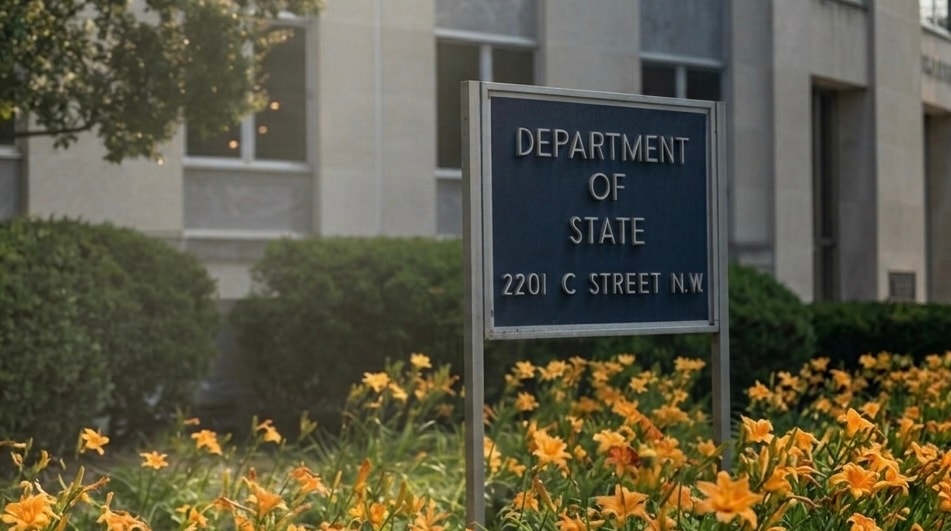
Reuters, citing informed sources in an exclusive report, said the U.S. Department of State has notified Congress of its decision to close five American diplomatic missions overseas. According to the sources, the move is part of the administration’s broader effort to reduce and reassess the global footprint of the United States’ diplomatic presence.
The report, published on Tuesday, August 4, states that the U.S. diplomatic posts in St. George’s, Grenada; Nagoya, Japan; Medan, Indonesia; Douala, Cameroon; and Winnipeg, Canada, are expected to cease operations. U.S. officials have not yet announced a timeline for implementing the decision.
Reuters described the move as an unusual instance of the United States simultaneously closing multiple overseas diplomatic missions. Unlike similar closures in the past, the decision is not linked to a specific crisis, conflict, or geopolitical event, but is instead being pursued as part of the administration’s domestic policy agenda.
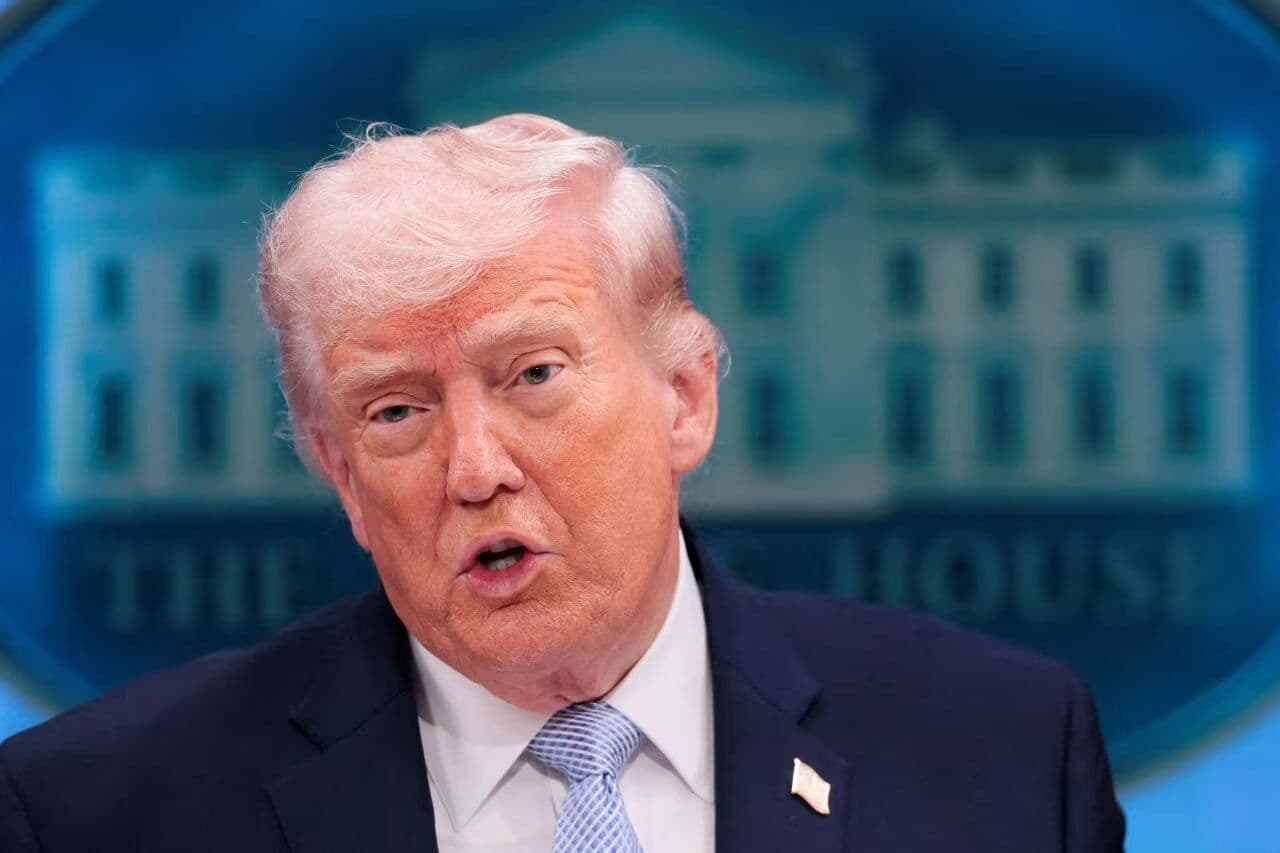
According to the report, President Donald Trump’s administration has, since the beginning of his new term, launched a broader initiative to streamline the federal government and align its operations with the “America First” policy. Reducing costs and restructuring the State Department are key components of that strategy.
Reuters also reported that the State Department began reviewing the possible closure of nearly a dozen overseas diplomatic missions last year. In addition, the White House Office of Management and Budget reportedly proposed shutting down as many as 30 diplomatic posts as part of a wider effort to reduce government spending.
Some U.S. officials argue that a number of the country’s smaller diplomatic missions no longer serve the level of strategic or operational importance they once did, making them financially inefficient to maintain. They contend that concentrating resources on higher-priority diplomatic posts would improve the overall effectiveness of U.S. diplomacy.
However, several Democratic lawmakers, along with former U.S. foreign policy and national security officials, have warned that reducing America’s diplomatic presence—combined with the dismantling of the U.S. Agency for International Development (USAID)—could weaken Washington’s global influence and create greater opportunities for countries such as China and Russia to expand their international reach.
Responding to Reuters’ report, the State Department neither confirmed nor denied the planned closures. Instead, it said the department remains focused on maintaining an effective and efficient diplomatic network while continuing to keep Congress informed in accordance with applicable laws and regulations.
Secretary of State Marco Rubio has previously described the cost-cutting measures as part of a broader effort to reform the department. According to Rubio, the objective is to streamline an institution that many conservatives believe has become excessively large and bureaucratic over the years.
Writer:Salima Aryaei