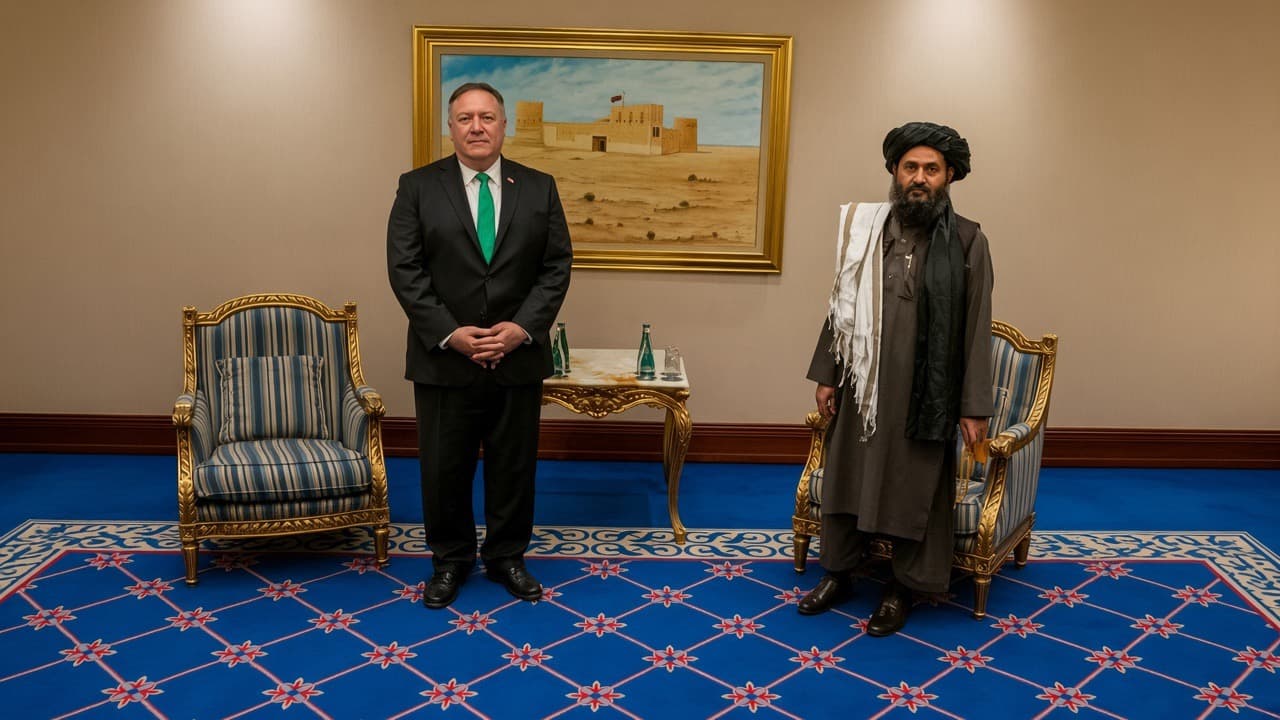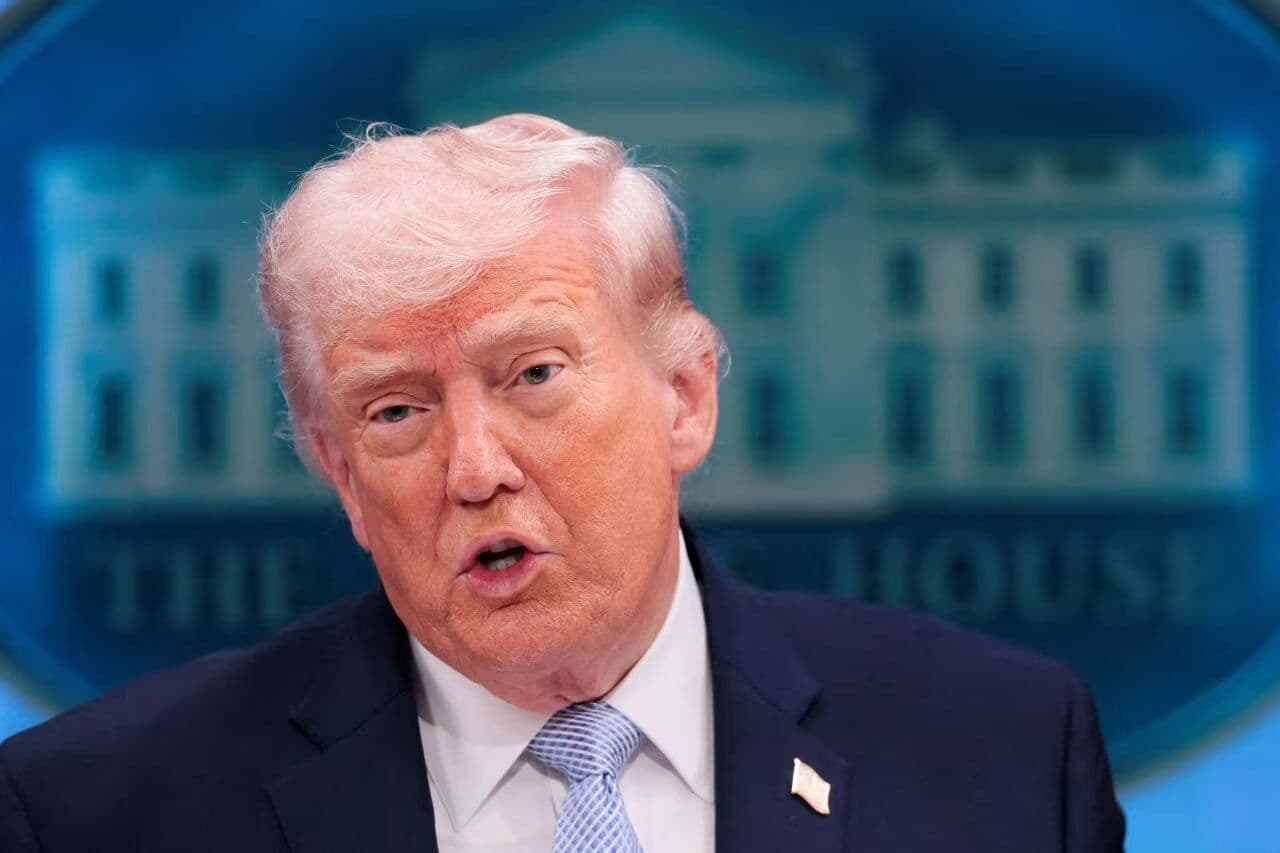
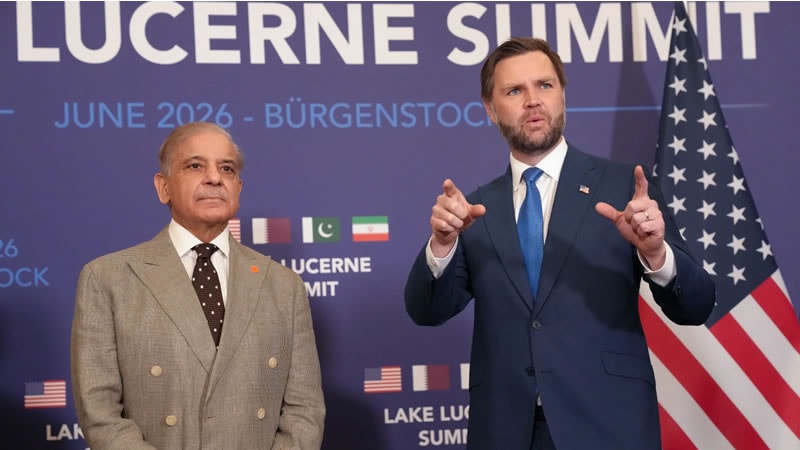
U.S. Vice President J.D. Vance has stated that recent talks with Iranian officials in Switzerland have laid an important and positive foundation for a permanent agreement and the prospect of peace.
With mediation by Pakistan and Qatar, the two sides agreed in the Swiss resort area of Bürgenstock to work over the next 60 days on a joint roadmap aimed at reaching a final and lasting agreement.
According to the mediators, the United States and Iran also reached understandings on specific mechanisms to reduce tensions between Israel and Hezbollah in Lebanon and to ensure the safe passage of commercial vessels through the Strait of Hormuz.
Vance said that Tehran had also agreed to the return of International Atomic Energy Agency (IAEA) inspectors and to the establishment of the necessary frameworks for managing frozen assets and implementing ceasefire arrangements.
He added that although disagreements and tensions remained during the negotiations, the talks continued and achieved significant progress.
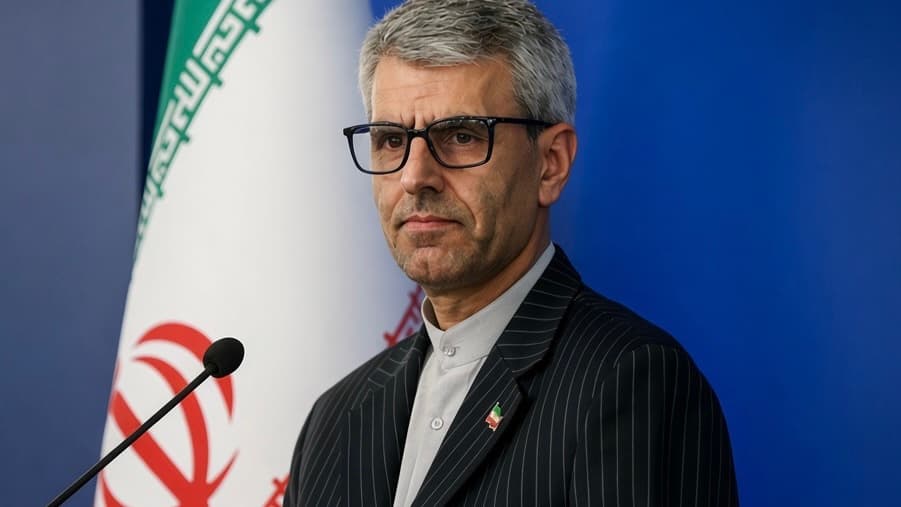
Meanwhile, Iranian Foreign Minister Abbas Araghchi stated that, as a result of the negotiations, Tehran had secured sanctions waivers for oil and petrochemical exports, the release of a portion of its frozen assets, and the conditions necessary to launch the country’s reconstruction and development program.
Vance further stated that White House Special Envoy Jared Kushner had proposed a plan under which the United States and Qatar would oversee the use of the released Iranian assets to ensure that the funds are spent on the purchase of food and agricultural products.
The U.S. Department of the Treasury has also issued a general license authorizing the production, transportation, and sale of Iranian oil and petrochemical products through August 21.
Following the announcement of these developments, global oil prices declined, with Brent crude falling below $80 per barrel.
At the same time, Lebanese security sources reported a reduction in tensions between Israel and Hezbollah, while Lebanese President Joseph Aoun held discussions with U.S. and Qatari officials regarding the consolidation of the ceasefire.
Meanwhile, Israeli President Isaac Herzog stated that his country does not oppose a diplomatic resolution to the dispute with Iran, but emphasized that any agreement must guarantee that Iran will not use the financial resources it receives to support military activities or its regional allies.
Writer:Saeed Sameer