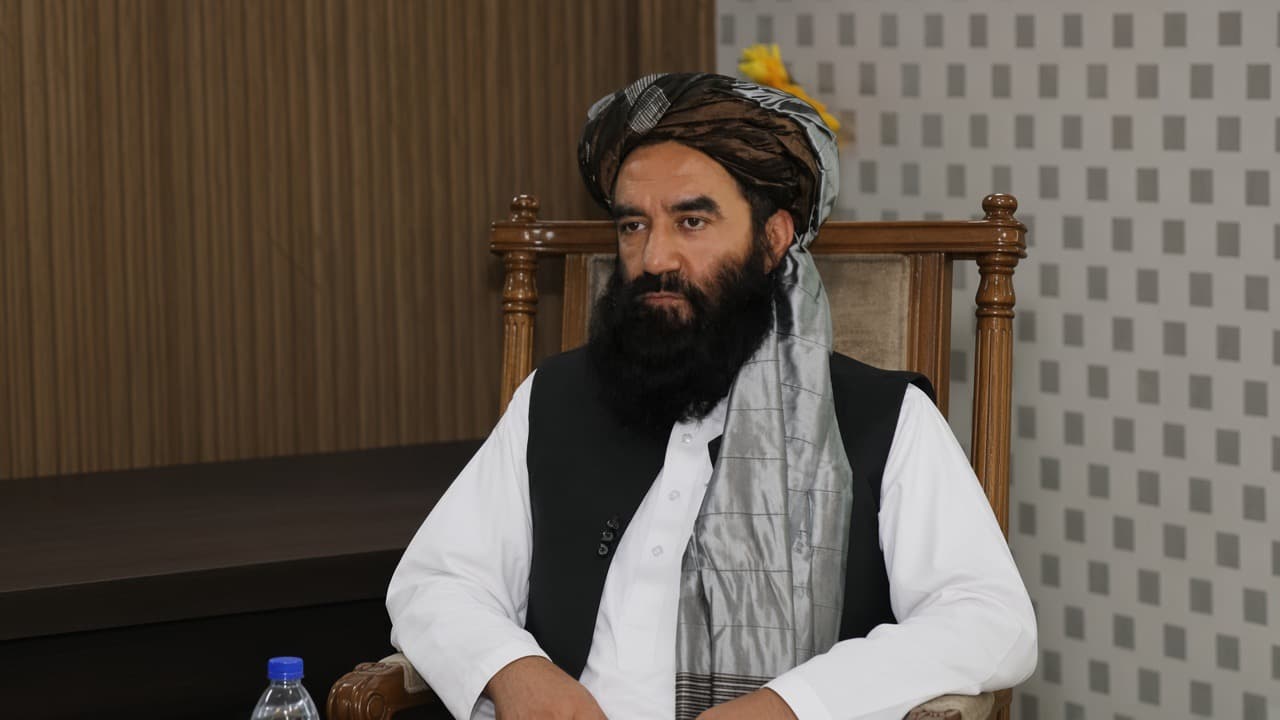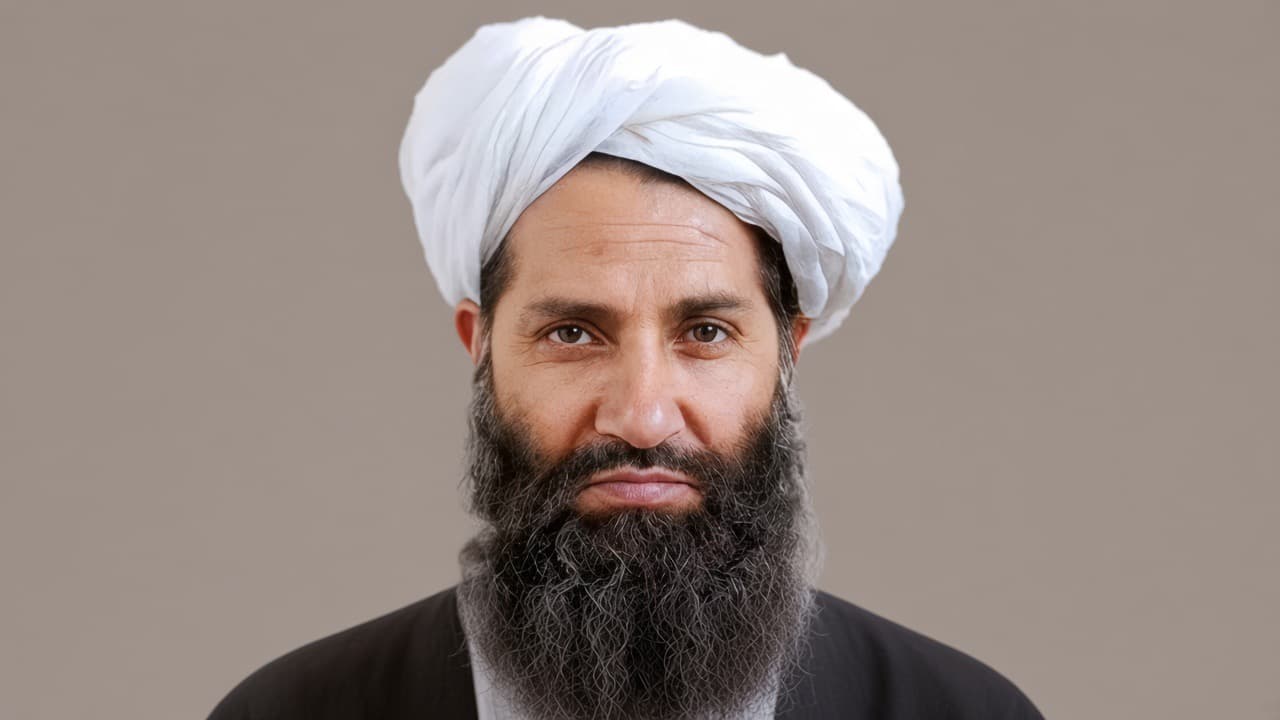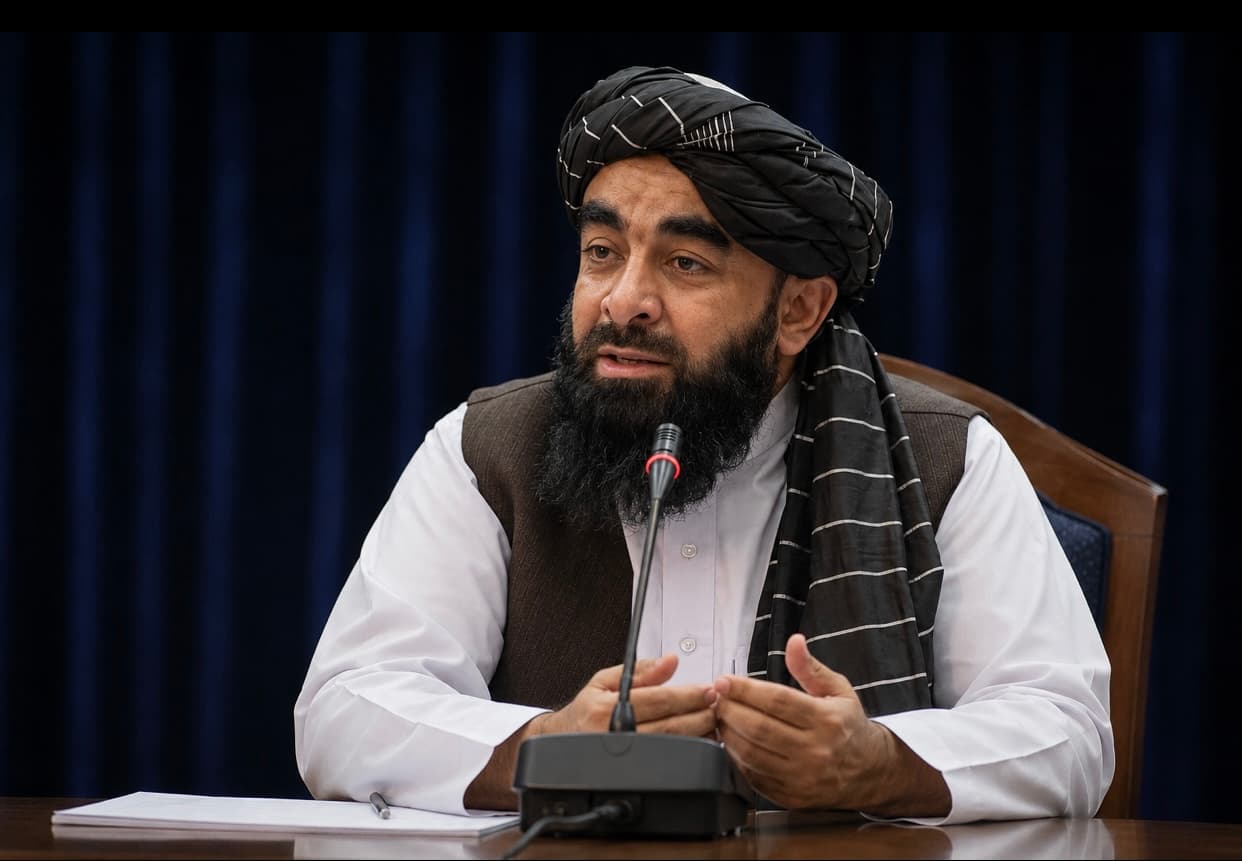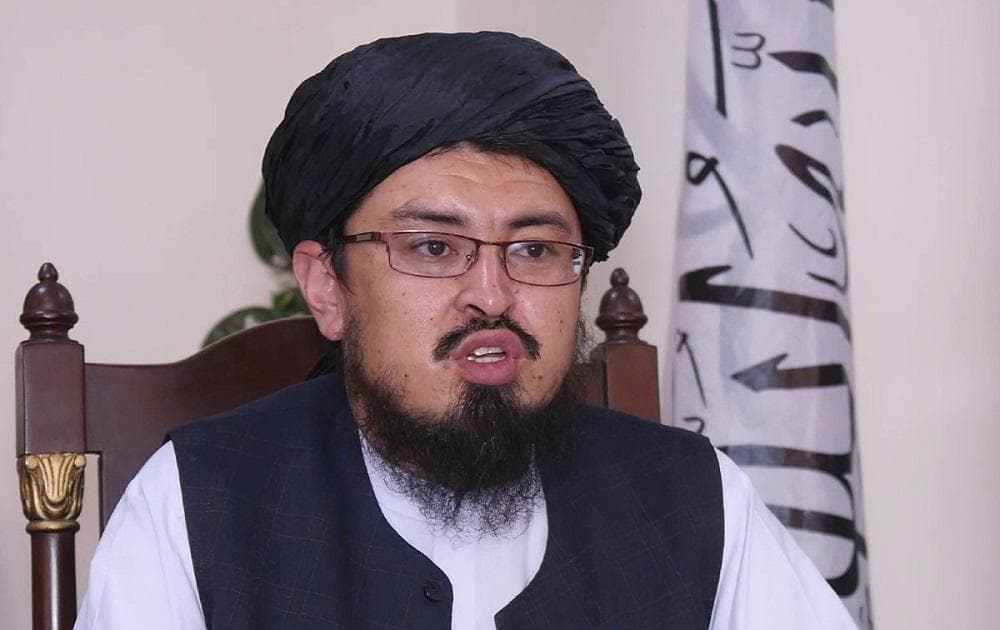
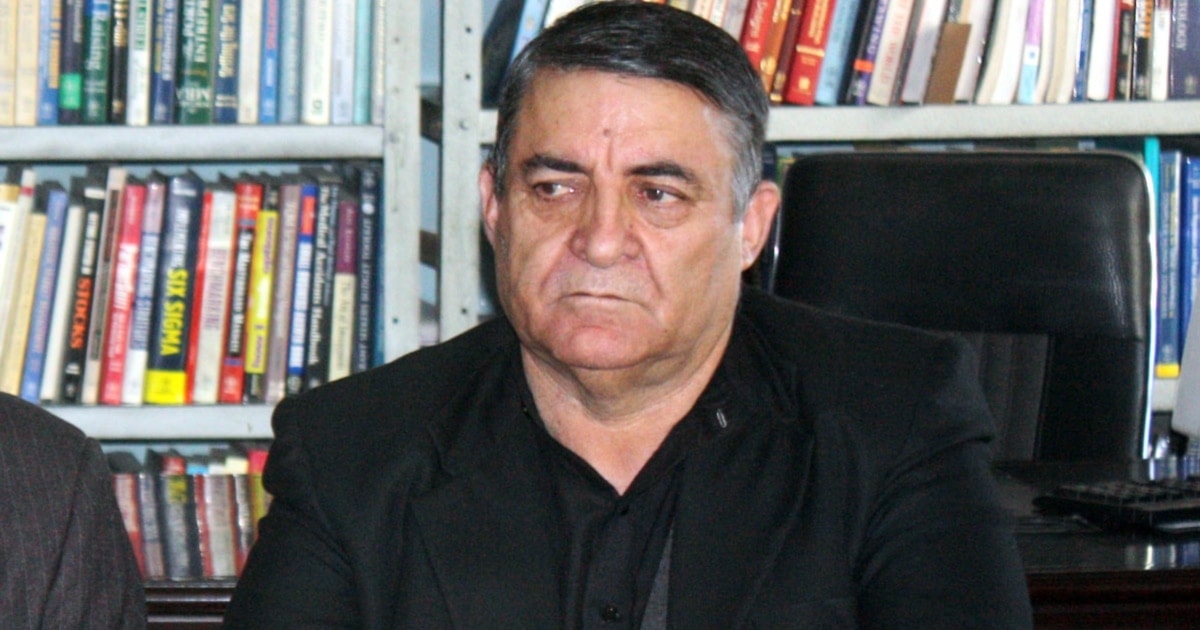
Ahmad Saeedi, citing a Taliban official, has claimed that members of the group’s cabinet, in a recent meeting held in Kandahar with Mullah Hibatullah Akhundzada, demanded that he step down from the leadership of the Taliban.
Without naming his source, Saeedi said that Taliban cabinet members expressed dissatisfaction during the meeting with Mullah Hibatullah’s performance and the current situation in the country, and presented three proposals to him.
According to the political analyst, the proposals included Mullah Hibatullah’s resignation from the leadership of the Taliban, the holding of an internal election to select a new leader, and a review of the group’s current leadership policies.
Saeedi also claimed that cabinet members told the Taliban leader that strict policies toward the population and confrontation with the international community are not beneficial for sustaining Taliban rule and could have negative consequences for the group’s future governance.
He further stated that Mullah Hibatullah, in response, asked the cabinet members to give him time to announce a final decision and provide his reply.
These claims come at a time when some media outlets had previously reported, citing their own sources, that Taliban cabinet members at the recent Kandahar meeting had emphasized obedience to the group’s leader and expressed support for his directives.
According to those reports, Mullah Hibatullah insisted during the meeting on the implementation of his orders and instructed Taliban officials to pursue the enforcement of “promotion of virtue and prevention of vice” policies more rigorously.
In recent years, numerous reports have also emerged regarding disagreements between the Taliban leader and certain factions within the group, including the Haqqani Network. However, Taliban officials have consistently denied the existence of internal divisions.
Some reports also suggest that several Taliban officials have faced restrictions or pressure after criticizing the group’s leadership, and that some of them have left the country.
Alongside reports of internal disagreements within the Taliban, criticism of the group’s policies has also increased among segments of the population. Observers say that economic challenges, rising poverty and unemployment, and social restrictions are among the factors contributing to growing public dissatisfaction in Afghanistan.
The Taliban have not yet officially responded to the claims made by Ahmad Saeedi, and these allegations cannot be independently verified.
Writer:Salima Aryaei