Writer:Salima Aryaei
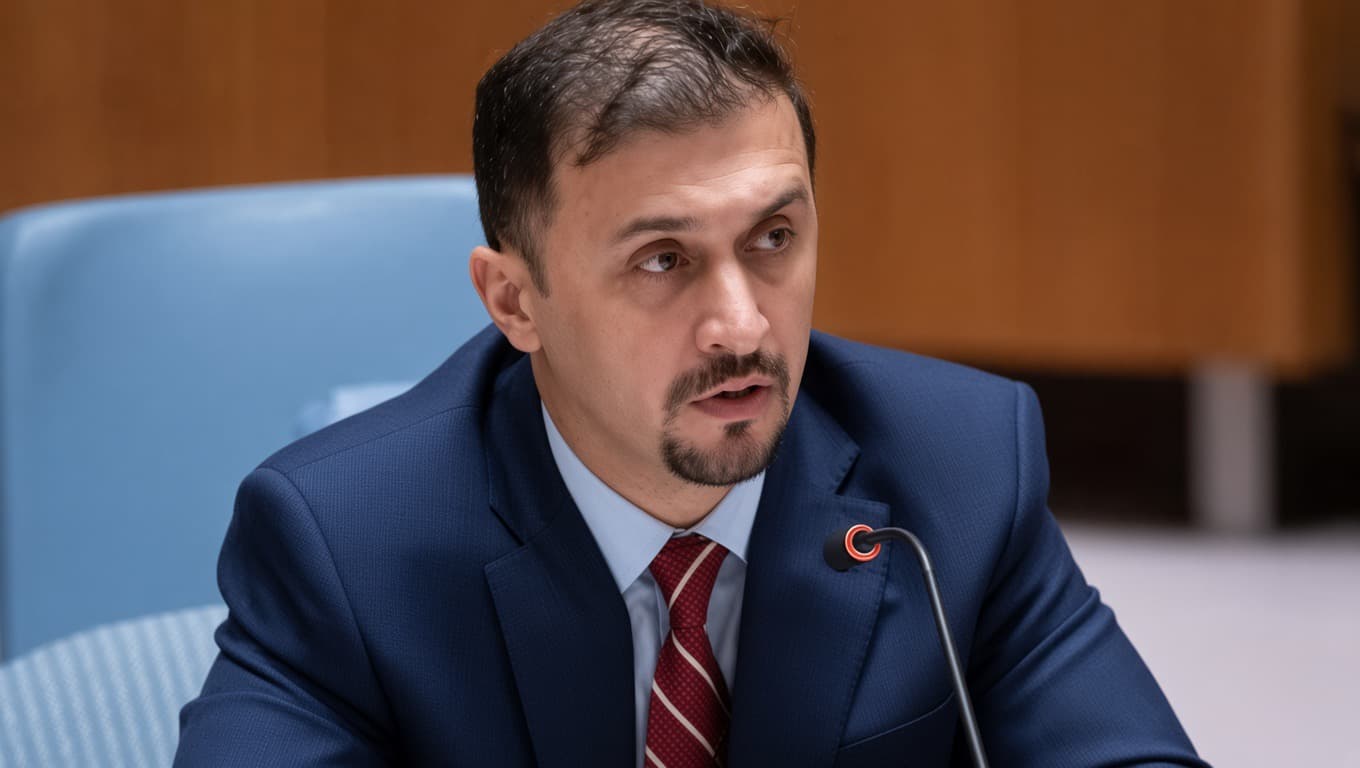
The former head of Human Rights at UNAMA says that since the return of the Taliban to power, the international community’s policies have increasingly focused on pressure and collective economic punishment on the people of Afghanistan. According to Nora Nayland, women and girls have borne the brunt of the consequences of these policies.
Nora Nayland, an international figure in the fields of human rights and humanitarian aid, in an article published in “Swissinfo” media, examines the impact of pressure-based policies and the halt of international aid on the worsening poverty in Afghanistan.
She writes that while the international community has had limited engagement with the Taliban, it has simultaneously imposed extensive economic restrictions, effectively pressuring the people of Afghanistan. She describes this situation as a form of “collective economic pressure.”
The report states that the freezing of billions of dollars in Afghanistan’s foreign reserves and the imposition of severe restrictions on the central bank have severely weakened the country’s economic structure. This situation has caused disruption in the financial system, depreciation of the national currency, and increased economic instability.
According to the analysis, the central bank’s inability to manage liquidity and control inflation has disrupted trade, increased unemployment, and drastically reduced people’s purchasing power. This situation, the author argues, has created a form of “artificial poverty” that is not solely a result of the war but also the outcome of external political and economic decisions.
Nora Nayland emphasizes that these policies have directly affected vulnerable populations. The report highlights the closure of over 420 health centers in the past year, limiting access to healthcare for millions and leading to an increase in maternal and infant mortality.
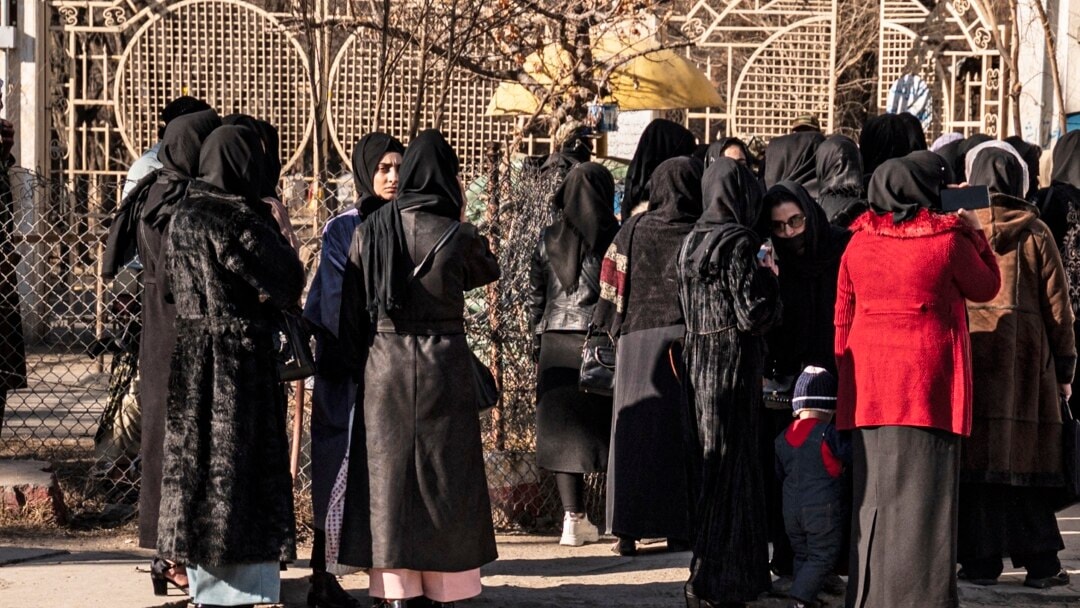
It continues by noting that, alongside the Taliban’s internal restrictions on education, employment, and the social presence of women, external economic pressures have worsened the situation for women. These two trends, together, have reinforced the marginalization and dependency of women in society.
According to United Nations reports, about 90% of families, including those headed by women, have resorted to harmful survival strategies. Furthermore, the forced return of millions of Afghan migrants from neighboring countries and Europe has reduced remittance flows and exacerbated the economic crisis.
Nora Nayland has warned that the reduction in humanitarian aid and continued economic pressures could further deteriorate the humanitarian situation in Afghanistan, leading to increased vulnerability for the weak, especially women and children.
In her view, these approaches have not only failed to change the Taliban’s behavior but have, in fact, increased poverty, deprivation, and marginalization for the people of Afghanistan.