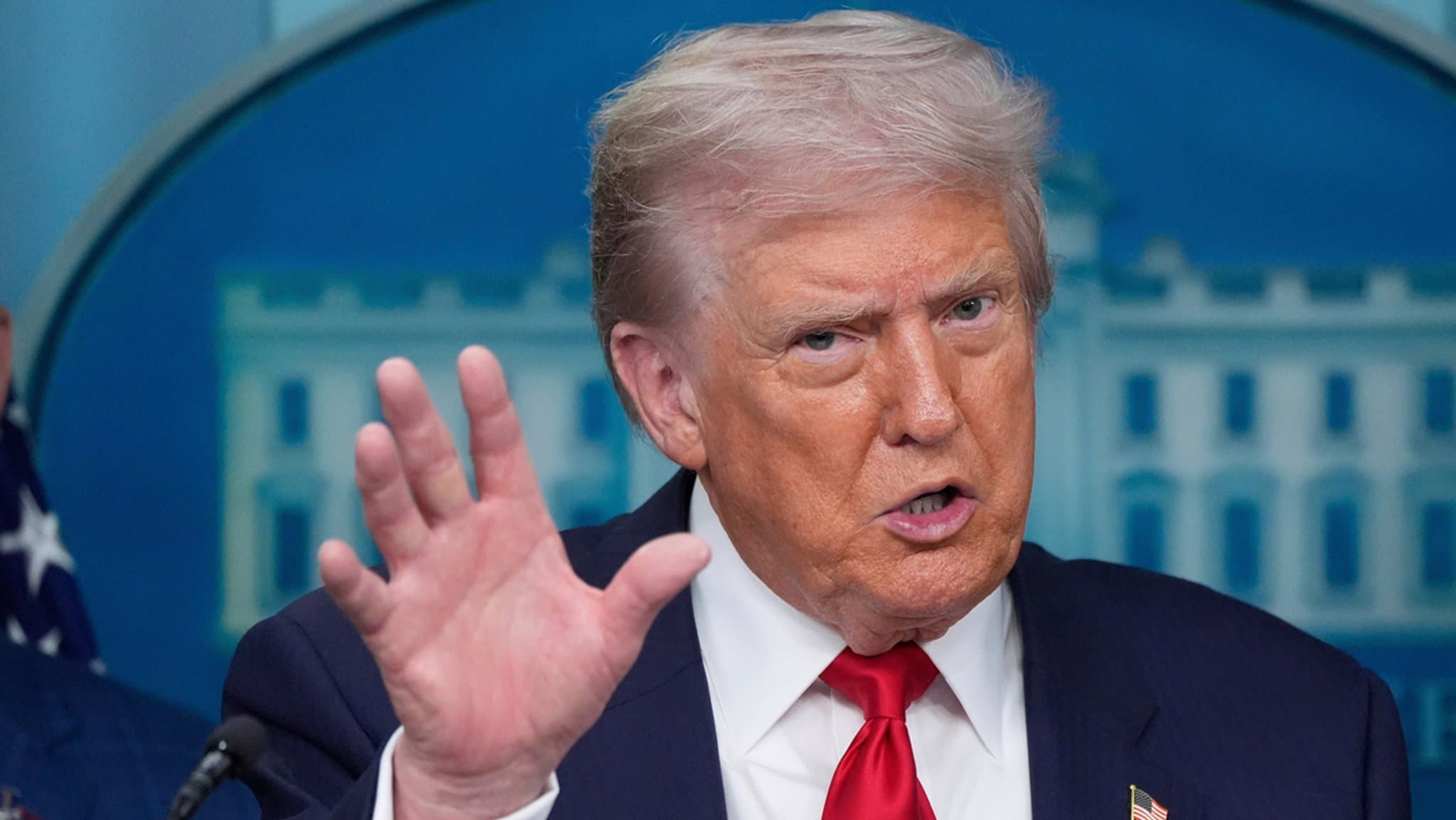
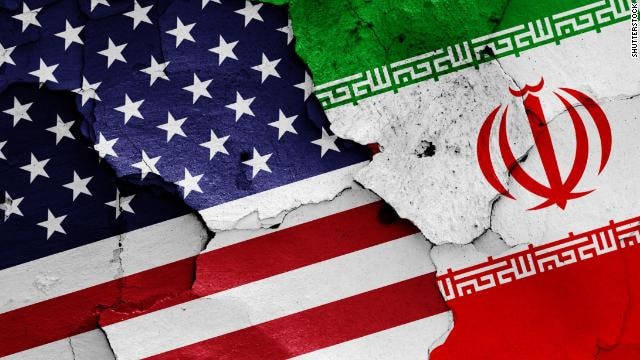
Donald Trump’s policies in the Middle East are becoming increasingly aggressive. Simultaneously, significant changes are occurring within the U.S. government. The question arises: Is this a systematic plan or simply a reaction to complex circumstances?
On the surface, the U.S. seems to be acting decisively. Trump has shown that he does not want to withdraw from the region and is even willing to pursue this path. However, at the same time, signs of instability are also visible—such as changes in the government team, mixed messages to allies, and internal pressures.
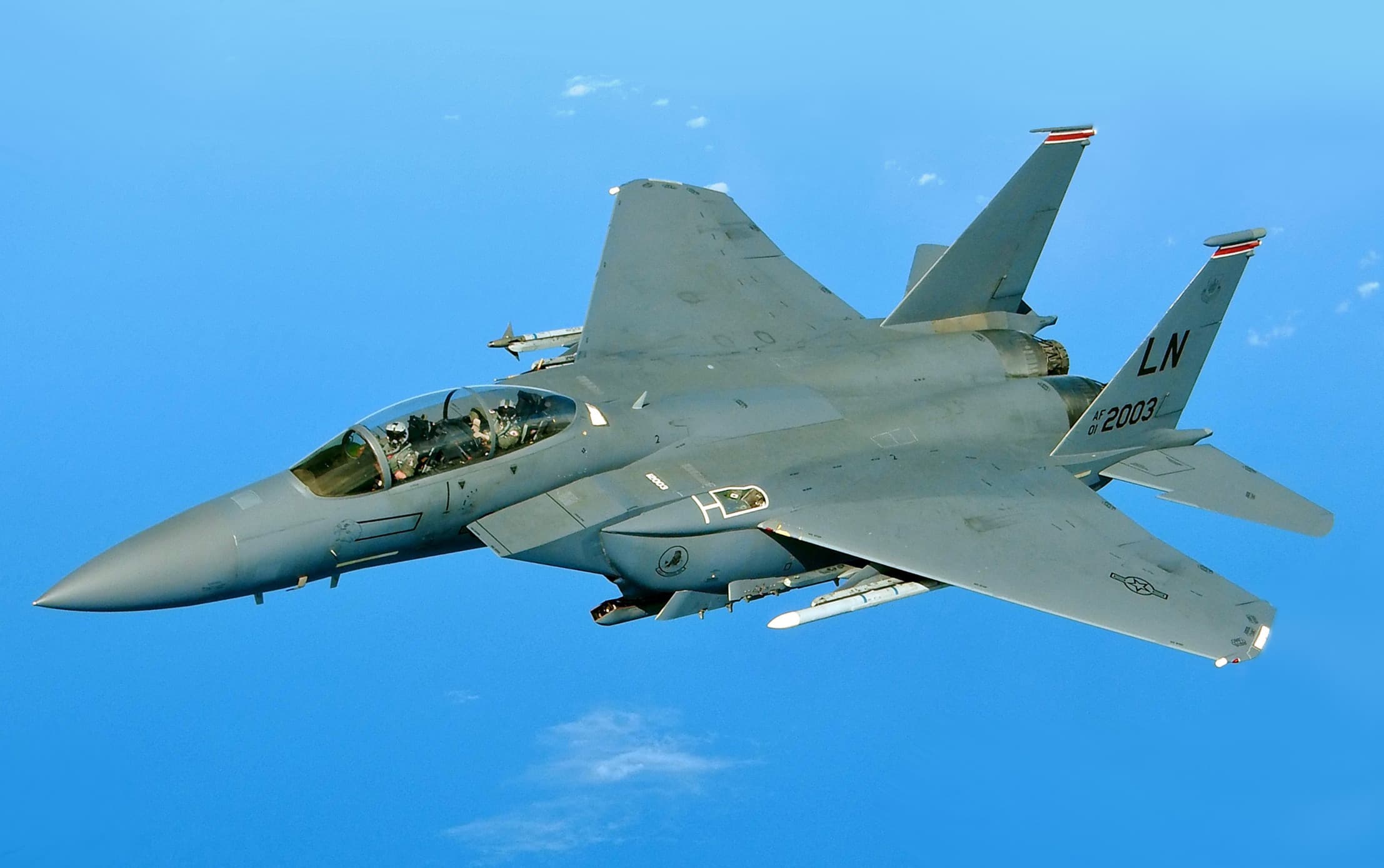
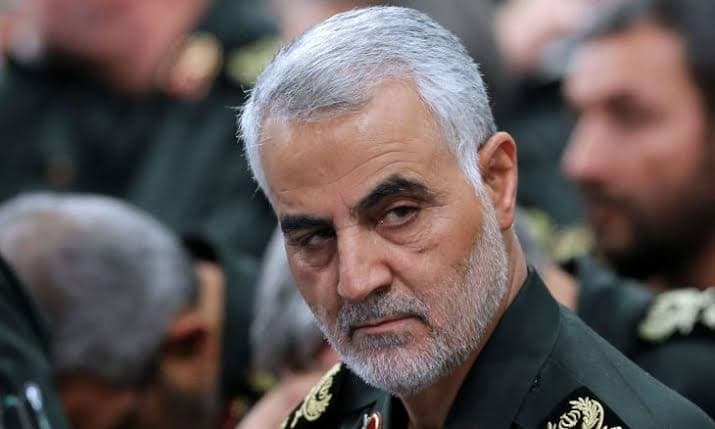
A key aspect of this policy is the escalation of military strikes. The U.S. is using powerful bombs to target underground bases, signaling that the objective is to damage Iran’s crucial centers. However, reports suggest that many of Iran’s missile systems are still active. Iran still possesses numerous drones. For this reason, the U.S. has intensified its pressure.
Alongside this, the U.S. is also showcasing new weapons, such as hypersonic missiles that are extremely fast and powerful. This sends a clear message that the U.S. military strength is still formidable.
In response, Iran is not sitting idle. The country has sought to change its tactics and has even released reports of attacks against American aircraft.
Furthermore, discussions about targeting infrastructure in the region have been on the rise.
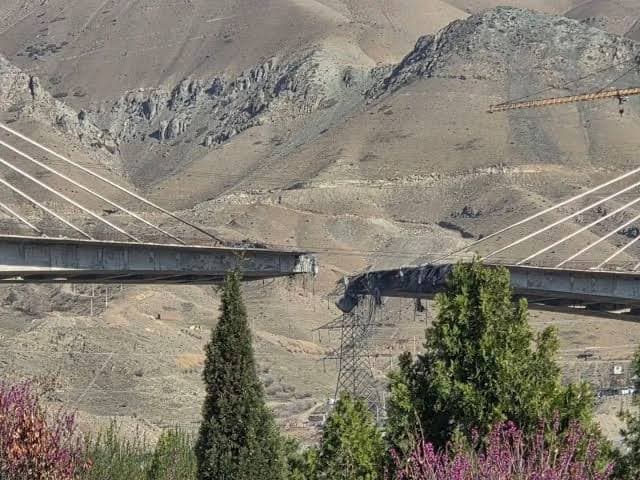
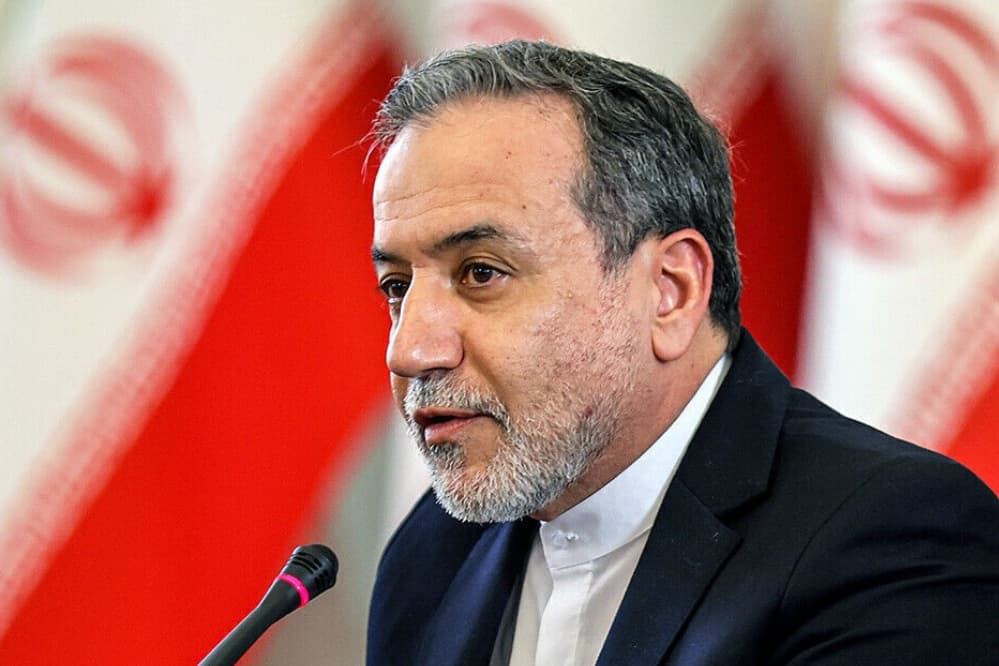
Trump also mentioned that he had destroyed a key bridge in Iran and warned that if no agreement is reached, there would be severe consequences. In response, Iran’s Foreign Minister Abbas Araghchi stated that these infrastructures would be rebuilt, but America’s credibility has been damaged.
This violence is not limited to the two countries but also affects the global economy. The Strait of Hormuz is crucial because a large portion of the world’s oil passes through this route. Any issue in this passage affects the rise in prices. Europe could even face a shortage of aviation fuel.
U.S. allies also do not share the same opinion. Emmanuel Macron has said that a military solution may not be effective. Some countries are trying to maintain relations with Iran separately from the U.S.
Within the U.S., significant changes are also underway. The Defense Secretary is attempting to appoint his close allies to key positions. There is also the possibility of removing some officials who hold a softer stance on Iran.
The removal of some officials indicates that political rivalry within the U.S. has intensified. Figures like Marco Rubio and J.D. Vance are mentioned as potential successors to Trump.
Overall, the current situation is a combination of military violence, economic problems, and political rivalry within the U.S. The U.S. has increased pressure on Iran while simultaneously changing its internal structure.
The central question now is: Will this policy succeed, or will it lead to more instability in the region and the world?