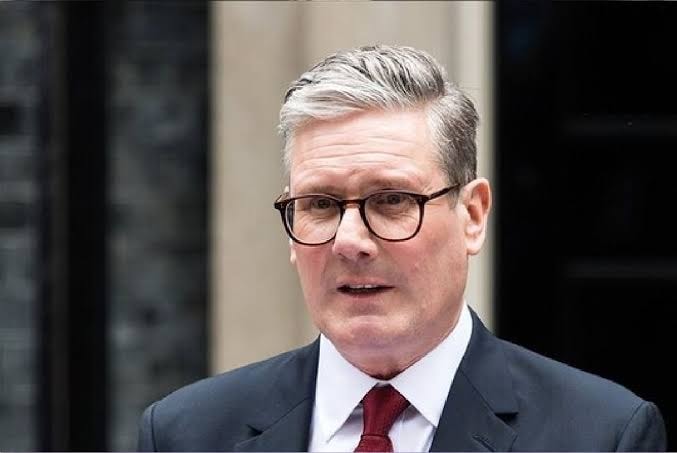
Keir Starmer, the Prime Minister of the United Kingdom, has announced that he has submitted his resignation as leader of the Labour Party and as Prime Minister to the King. He said he will remain at 10 Downing Street until his successor is selected.
The nomination process for the leadership of the Labour Party will begin on 18 July. Before stepping down, Starmer said he had taken over the party at a time when it was in a difficult political, financial, and ethical position, but that he had managed to restore public trust in areas such as the economy, defence, and national security.
In recent weeks, Starmer had faced increasing pressure to resign. This pressure intensified after Andy Burnham, the former Mayor of Manchester and a prominent Labour figure, announced his candidacy for the party leadership.
Burnham, following his entry into the House of Commons, has become one of the main contenders to succeed Starmer. His electoral success and the defeat of the Reform UK candidate led by Nigel Farage further strengthened his political standing.
Starmer’s resignation comes less than two years after Labour’s decisive victory in the general election. At the same time, the United Kingdom is facing challenges such as high debt, weak economic growth, and rising public spending issues that will also confront the next government.
Writer:Salima Aryaei