The United Nations Office for the Coordination of Humanitarian Affairs (OCHA) has announced that in 2026, approximately 3.7 million children in Afghanistan will face severe malnutrition. The agency has called on the international community to provide urgent financial and humanitarian assistance to prevent a further deterioration of the situation.
OCHA emphasized that the aim of this assistance is to save lives and prevent irreversible harm caused by the worsening malnutrition crisis in Afghanistan. The organization also warned that food insecurity in the country is on the rise.
According to OCHA, the spread of diseases, the lack of healthcare and nutritional services, and poor sanitation conditions are among the main factors driving the escalation of the malnutrition crisis. These combined factors have made children and women increasingly vulnerable.
The Nutrition Cluster, a coordinating body affiliated with the United Nations and humanitarian partners, stated in a recent report that the nutrition crisis in Afghanistan is rapidly deteriorating and will worsen further without immediate intervention.
The report adds that with the onset of the peak malnutrition season in July, conditions are expected to significantly deteriorate in the coming months. It warns that any reduction in aid will further expand the scope of the crisis.
It further notes that child malnutrition rates have increased in 26 out of Afghanistan’s 34 provinces. Twelve provinces including Helmand, Daykundi, Zabul, Baghlan, Uruzgan, Paktika, Nuristan, Sar-e Pol, Ghor, Kandahar, Faryab, and Logar are currently in a critical condition.
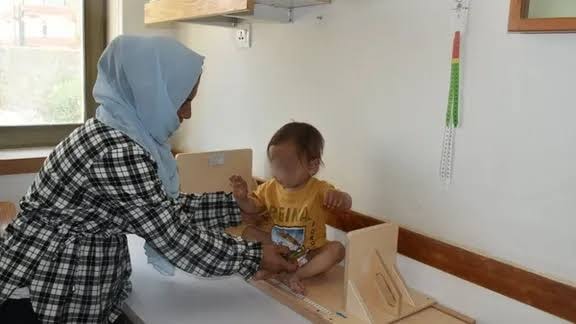
The report also states that nearly 40 percent of infants under six months are hospitalized due to severe malnutrition and related health complications. Children under the age of two are among the most vulnerable groups affected by this crisis.
OCHA stressed that humanitarian assistance has so far helped prevent a rise in malnutrition-related deaths, but these gains remain fragile and are at serious risk if funding declines.
According to the organization’s estimates, in addition to millions of children, around 1.2 million pregnant and breastfeeding women will also be at risk of malnutrition in 2026.
Writer:Salima Aryaei