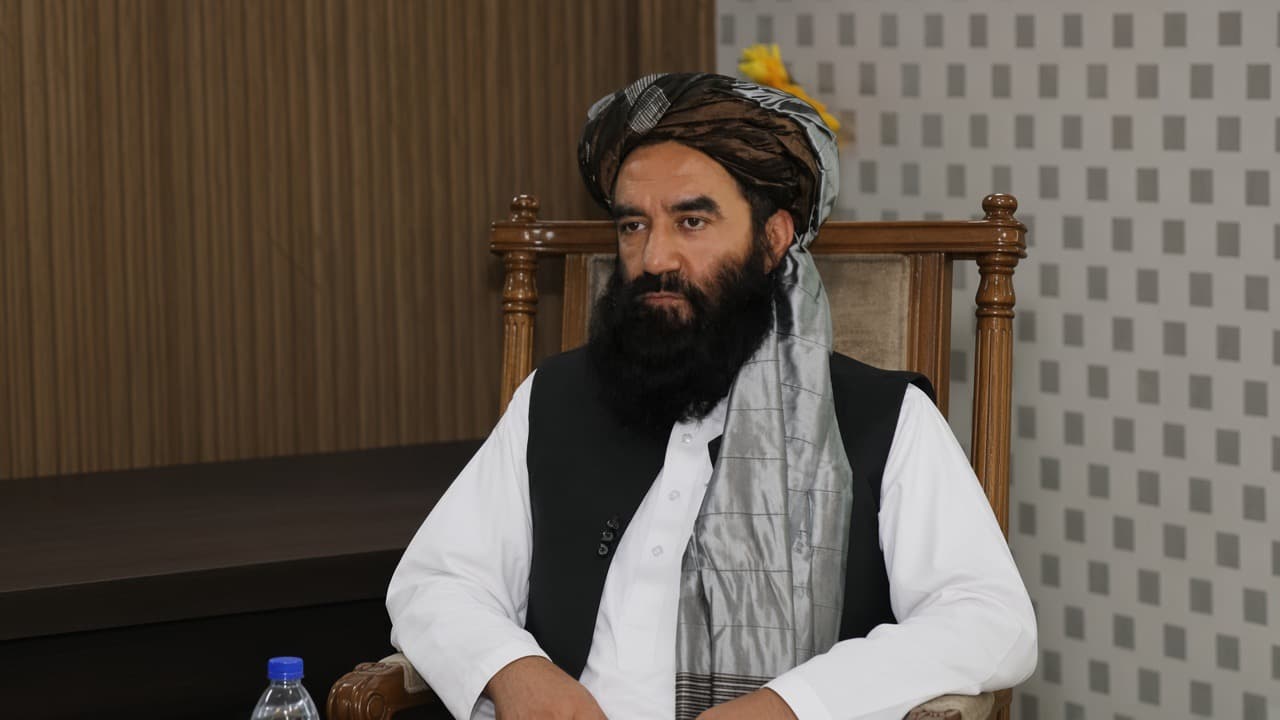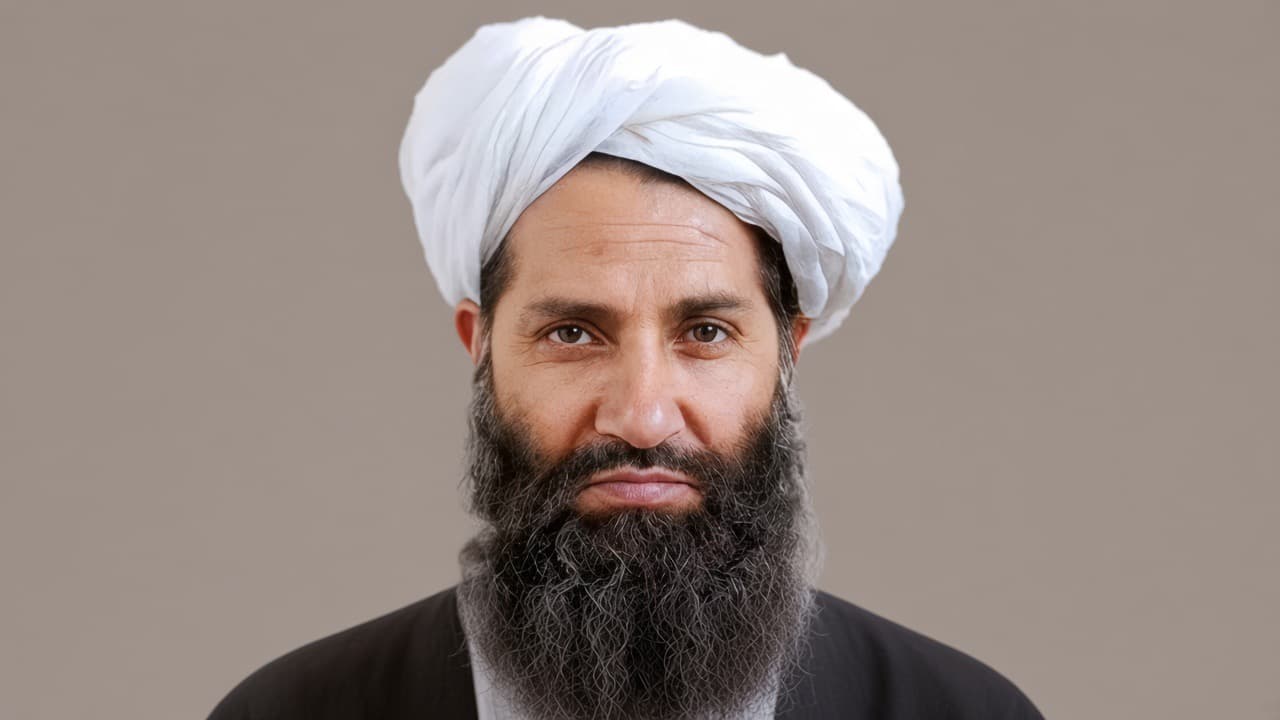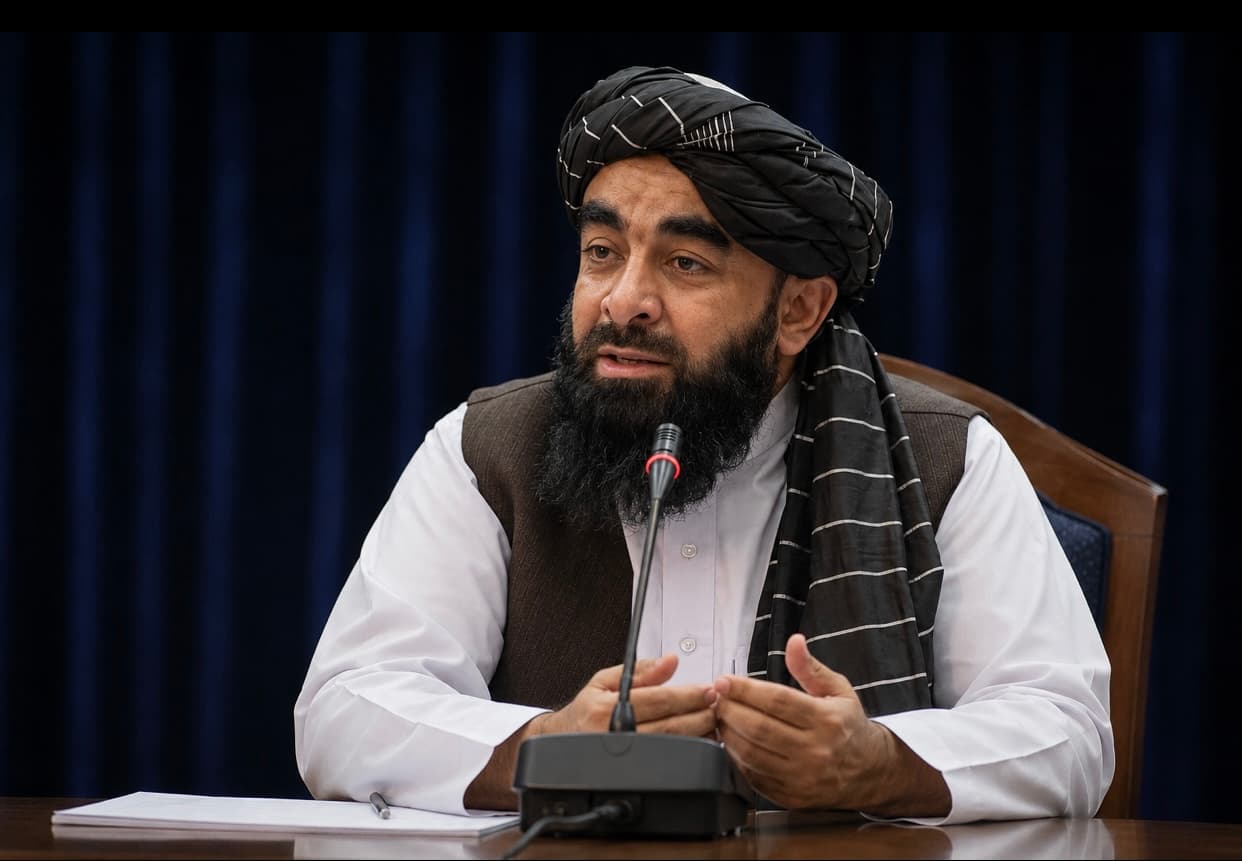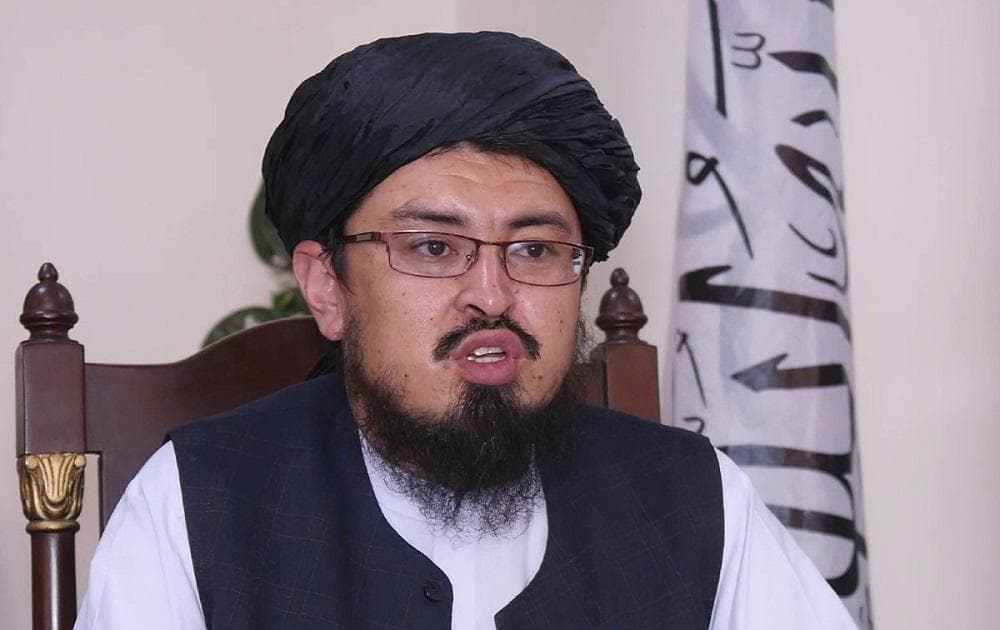
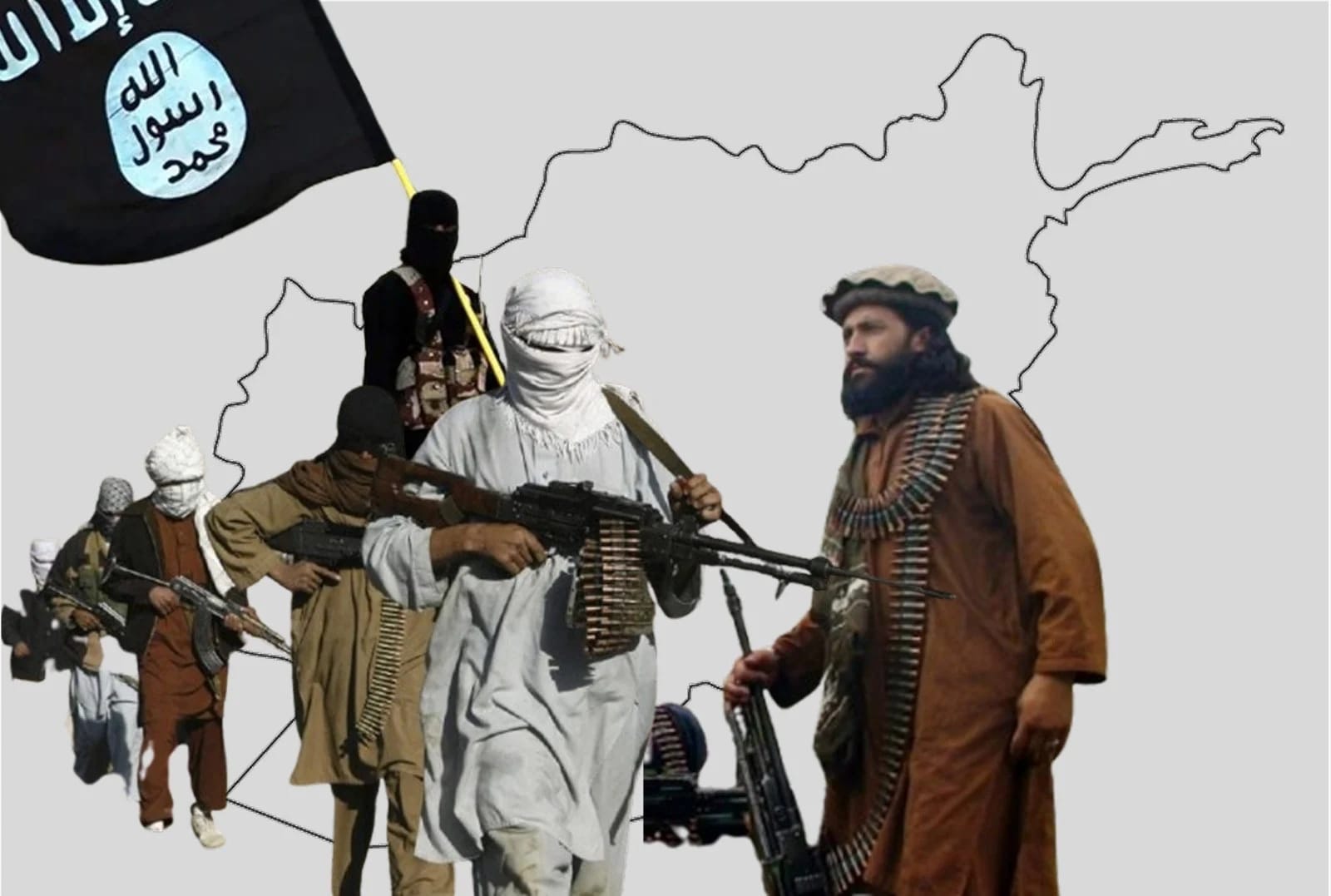
At a time when regional countries are expressing concern over the presence and activities of terrorist groups on Afghan soil, recent documents from the United Nations Security Council and its sanctions committee indicate that approximately 23 to 25 terrorist groups are operating under Taliban administration in Afghanistan.
According to reports, these groups are categorized into six main groups based on their objectives and organizational structures. It is said that most of these networks are no longer large and independent organizations as they were in the past; instead, due to international pressure and monitoring, they have transformed into smaller groups, subsidiary networks, and front organizations.
A former Afghan security official states that a broad process of consolidation among terrorist groups is currently underway, and many smaller groups have been absorbed into the structures of larger organizations. According to him, the Taliban are attempting to restrict the media activities of these groups and place them under a unified umbrella in order to reduce international sensitivity.
He further notes that even major networks have undergone changes. For example, al-Qaeda is now divided into two branches: core al-Qaeda and the Indian Subcontinent branch. Likewise, several smaller armed anti-Pakistan groups have been integrated into the structure of Tehrik-i-Taliban Pakistan (TTP).
Based on security assessments, ISIS-Khorasan, al-Qaeda, and the al-Qaeda branch in the Indian Subcontinent are considered the most significant cross-border threats originating from Afghan territory.
ISIS-Khorasan, although placed under severe pressure following the Taliban’s return to power, remains active. Since its inception, the group has fought against both the previous government and the Taliban and continues to reject the Taliban’s legitimacy. Reports indicate that ISIS-Khorasan has between 2,000 and 4,000 fighters, and its ranks include individuals from Tajikistan and Uzbekistan, in addition to Afghans.
Security sources state that the group has demonstrated its capacity to conduct complex cross-border operations, including the deadly attack on Moscow’s “Crocus” concert hall.
On the other hand, United Nations reports on al-Qaeda suggest that the network is in the process of reconstitution. Although the United States believed that al-Qaeda had been weakened following the killing of Ayman al-Zawahiri, reports indicate that the network has reactivated its training centers and maintains a presence in several provinces. However, no clear evidence of direct cross-border operations has yet been recorded.
There are also reports of increased activity by al-Qaeda’s branch in the Indian Subcontinent. According to a UN report, the leader of this branch, Osama Mehmood, and his deputy, Yahya Ghouri, are based in Kabul, while the group’s media center is active in Herat.
The sanctions monitoring committee has warned that the expansion of these networks and the potential for cross-border operations pose a significant concern for regional security.
Writer:Saeed Sameer