The Afghanistan Media Support Organization has announced that, following the escalation of restrictions by the Taliban, the role of the media has shifted from independent reporting to reflecting the views of the ruling authority. In a report published on Thursday, 20th of Hamal, the organization emphasized that the media landscape in the country has been unprecedentedly restricted.
According to this report, based on interviews with journalists from several provinces, pressure on the media and media activists has reached its highest level in the past month, severely damaging the process of accessing and disseminating free information. As a result, many media outlets have been unable to perform their core functions independently.
The report further states that widespread censorship of security events, forcing journalists to publish biased content, prohibiting the use of certain words, and preventing the publication of Taliban casualty figures are among the key manifestations of these restrictions. These actions have significantly reduced the professional scope of media activities.
The organization also added that, in several instances, journalists have been forced to publish reports that align with the official narrative of the Taliban or influence public opinion. Such conditions have raised serious questions about the independence of the media and posed a major challenge to the professional standards of journalism.
Another section of the report highlights the increasing restrictions on covering issues related to women. It mentions that, in some southern provinces, any contact or interviews with women have been completely banned. These restrictions have severely limited access to information on social and legal matters.
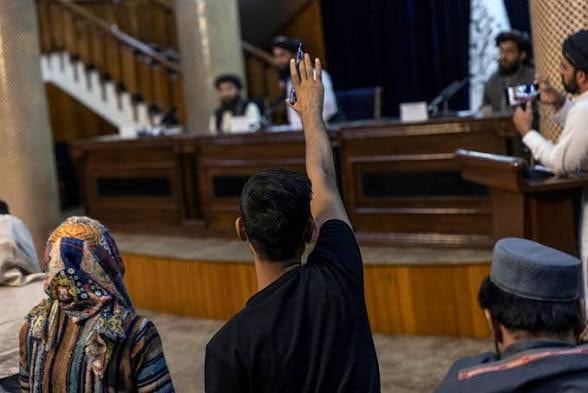
Additionally, journalists are not allowed to ask questions about girls’ education or post content supporting girls’ education on their personal pages. These limitations indicate widespread control over media content and even the individual activities of journalists.
According to the findings of the report, Taliban intelligence agencies are closely monitoring the online activities of journalists, and any communication with media outlets or journalists outside the country has been banned. This surveillance has further restricted and made the working environment for journalists more dangerous.
In conclusion, the Afghanistan Media Support Organization has warned that the continuation of this trend could lead to a complete one-sided flow of information and ultimately the collapse of the media structure in Afghanistan. The organization has called for the international community to pay attention to the situation of the media in the country.