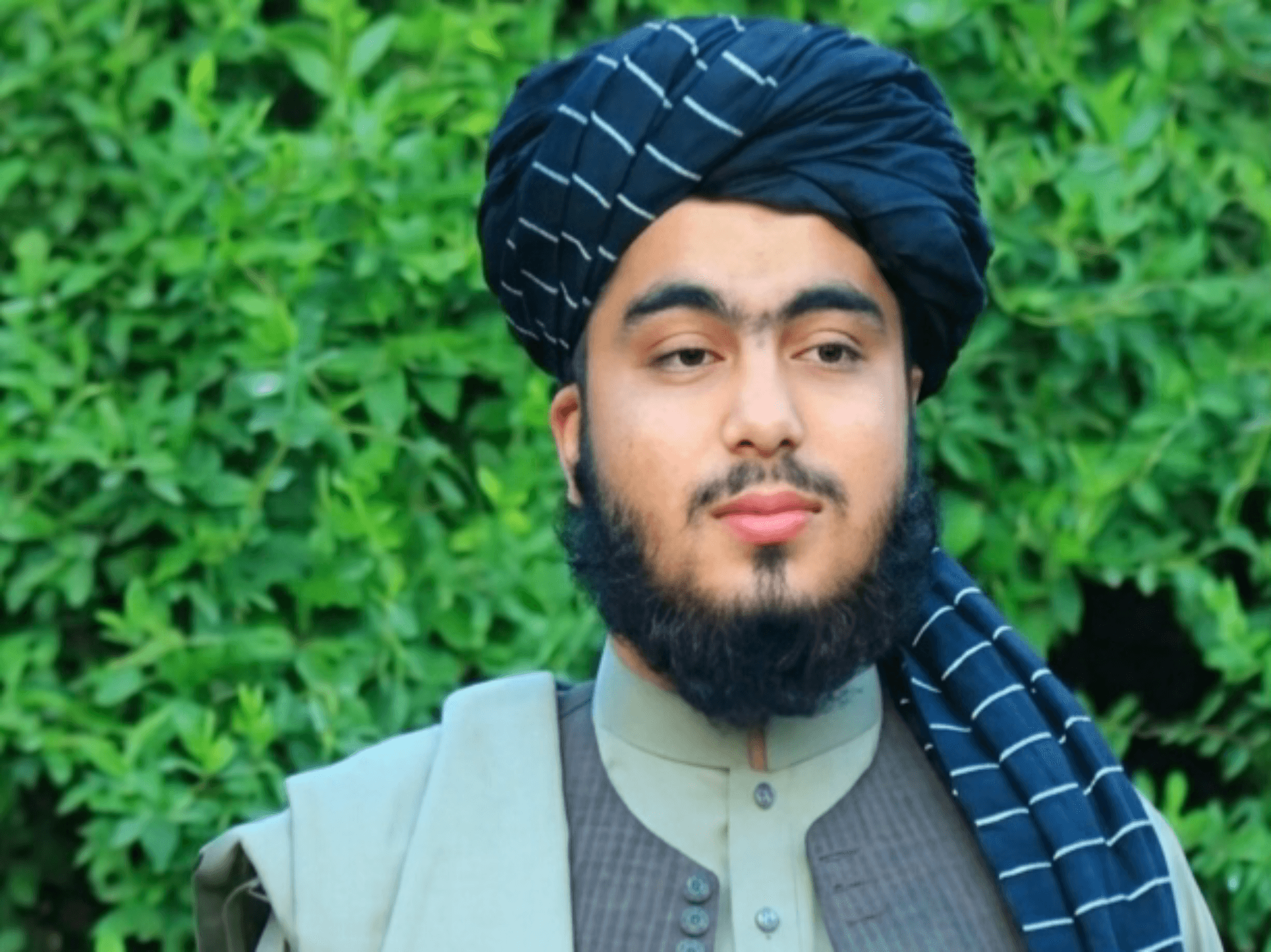
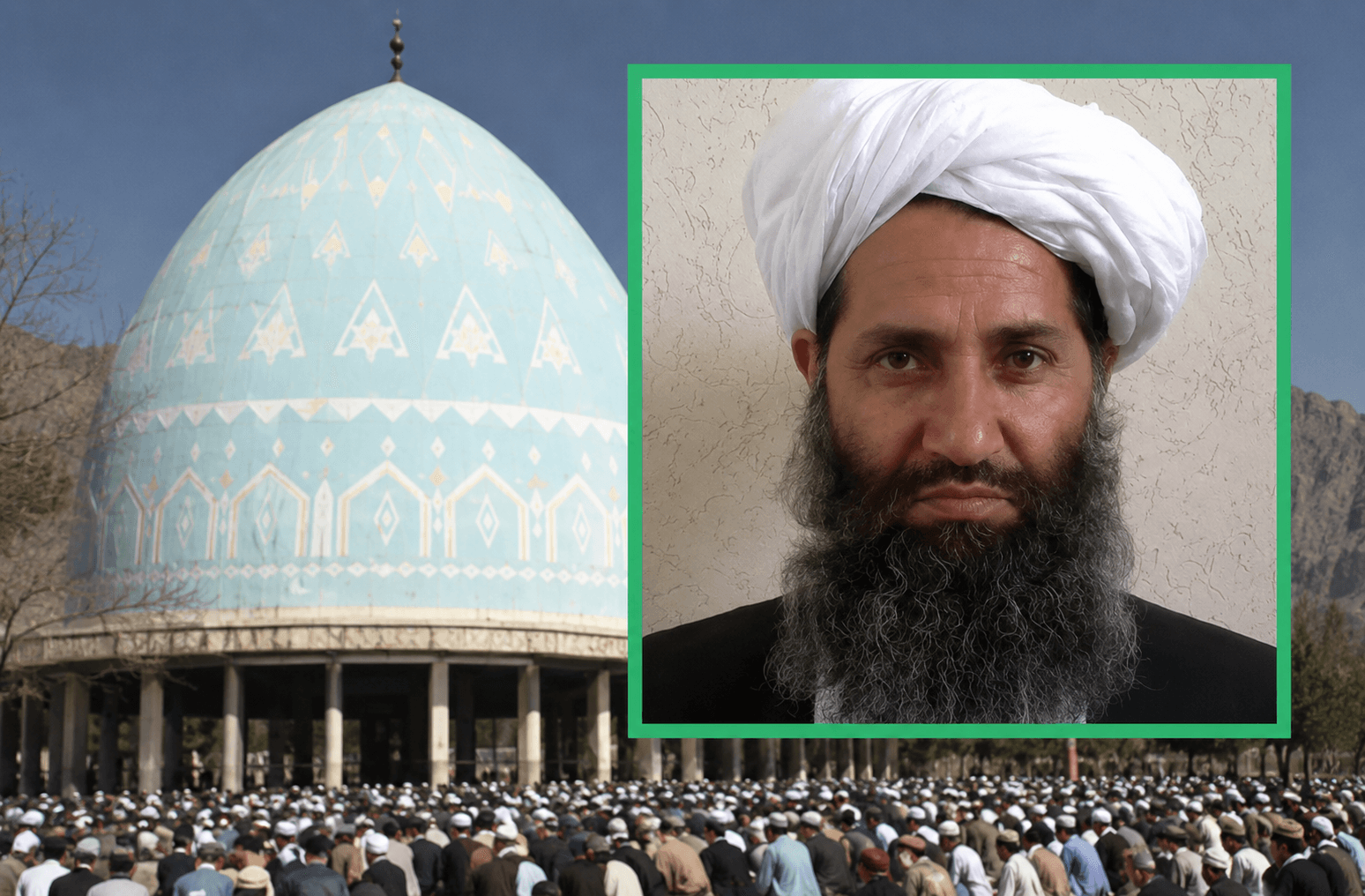
Hibatullah Akhundzada, the leader of the Taliban, says that obedience to an “Amir” (leader) is obligatory for Muslims, and that according to him, anyone who dies without pledging allegiance and obeying the Amir has died “a death of ignorance” (“Jahiliyyah”).
Today, Wednesday, 6 Jawza, during the Eid al-Adha prayer at the Eidgah Mosque in Kandahar, he delivered a speech explaining the concept of the “death of ignorance.” He said it refers to the deaths of people in the pre-Islamic era, when, according to him, people worshipped “servants” and “idols” instead of God. Hibatullah Akhundzada described such a death as “very bad.”
He further stated that obedience to the Amir brings unity and solidarity among people, emphasizing that if “even one hour passes without an Amir, discord and conflict will arise.”
Hibatullah Akhundzada also said that if Muslims choose an Amir for themselves but do not obey him, unity and harmony will not be achieved among them. According to him, this is why obedience to the Amir is considered “obligatory.”
The Taliban leader once again claimed that the Taliban government is run on the basis of “Sharia” and “Islam,” adding that no other system like the one the Taliban have established according to their religious beliefs exists anywhere in the world.
He called on the people of Afghanistan to fully obey him as the “Amir” and to follow his commands completely, stressing that his orders are “religiously legitimate” and that people should have no “doubt or suspicion” about them.
Hibatullah Akhundzada also warned that “disobedience” would lead to “discord.” Referring to Afghanistan’s past years, he said that people had experienced times when, during insecurity and conflict, “no one had control over their property, their honor, or even their lives.”
For much of the speech, which lasted around 50 minutes, the Taliban leader emphasized obedience, unity, and preventing what he called “discord,” while warning about the consequences of disobedience.
Hibatullah Akhundzada has repeatedly urged people in the past to follow his orders and avoid division and internal conflict.
However, the decrees and laws issued under his authority have imposed widespread restrictions on the personal and social lives of Afghan citizens, especially women and certain religious and social groups.
Because of these policies, the Taliban leader has faced accusations of “crimes against humanity,” and the International Criminal Court has also issued an arrest warrant against him.
Writer:Salima Aryaei