Reports of a potential agreement between Iran and the United States have exposed internal disagreements among supporters of the Islamic Republic. Alongside growing speculation about this understanding, some opponents have staged gatherings in several Iranian cities, while certain government figures have also reacted to these objections.
While American and Pakistani officials have reported progress toward a framework agreement between Tehran and Washington aimed at ending tensions, Iranian officials have not yet confirmed a specific timeline for signing such an understanding.
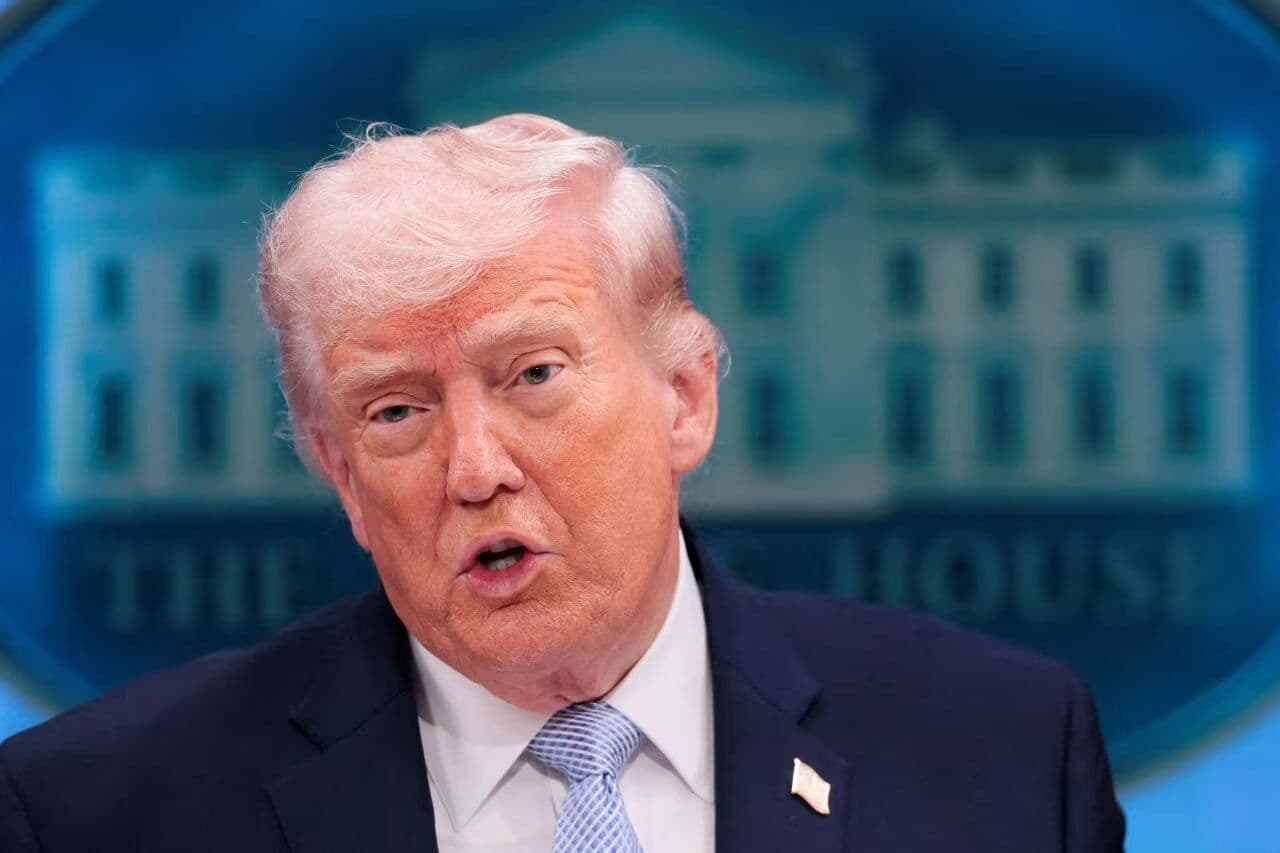
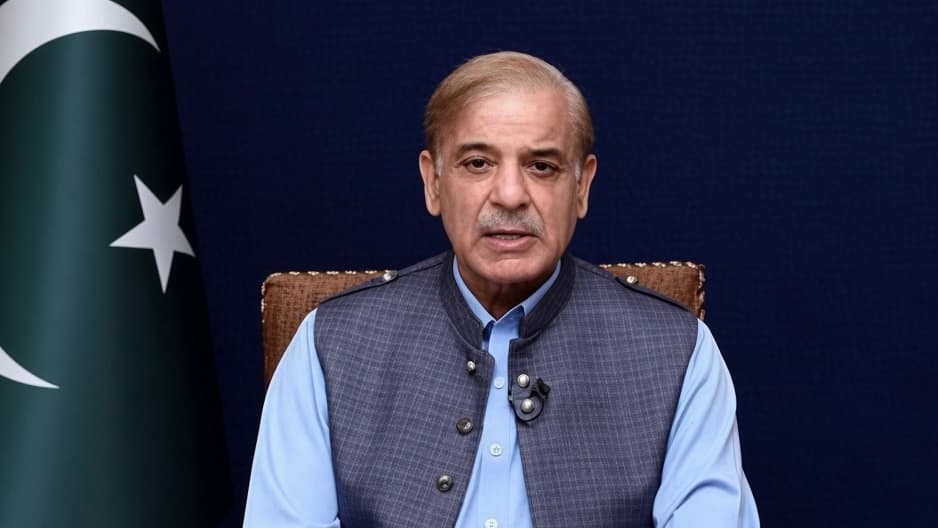
Donald Trump has stated that a deal with the Islamic Republic is expected to be signed on Sunday, 24 Jowza (June 24). Shahbaz Sharif has also said that the two sides have reached agreement on a framework for a peace deal, and that Islamabad is prepared for its electronic signing.
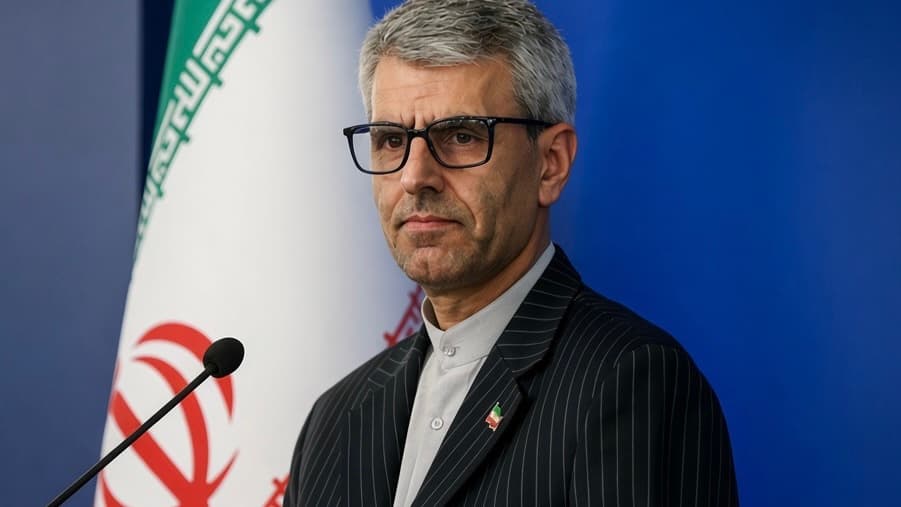
However, Esmail Baghaei has emphasized that the agreement will not be signed on Sunday, although the process may be finalized in the coming days.
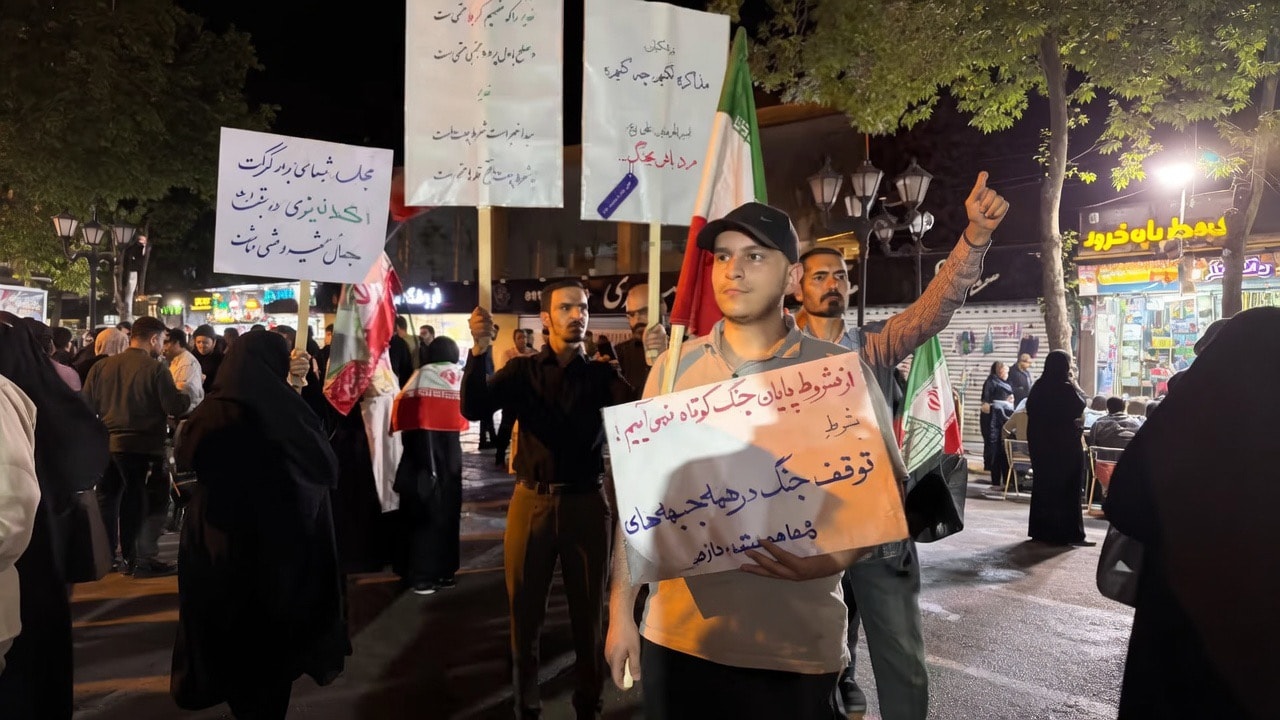
Meanwhile, the prospect of signing an understanding with the United States has triggered negative reactions from a segment of Iran’s government supporters. Videos circulating on social media show protesters gathering in the cities of Mashhad and Tehran against the proposed agreement.
In Mashhad, a group of demonstrators gathered outside the office of the Ministry of Foreign Affairs’ representative, chanting slogans against Abbas Araghchi. The protesters accused him of making concessions.
In Tehran as well, some demonstrators chanted against Abbas Araghchi and Mohammad Bagher Ghalibaf, criticizing the process of the potential agreement with the United States.
Opposition to a potential agreement has not been limited to street protests. Kamran Ghazanfari has claimed that Iranian negotiators have crossed the “red lines” set by authorities, arguing that any agreement with the United States would therefore lack legitimacy.
Similarly, the deputy head of Iran’s parliamentary National Security and Foreign Policy Committee stated that the United States would gain the full benefit from such an agreement, a position that has drawn responses from other political figures.
On the other hand, Mohammad Mehdi Mirbagheri, while criticizing rising tensions, said that even if a potential agreement is not ideal, it should not create concern or anxiety in society. He called on protesters to avoid fueling a tense atmosphere.
Abbas Salehi also emphasized, in response to the opposition gatherings, that differences of opinion should not lead to division and fragmentation within society, urging critics to preserve national unity.
Meanwhile, a senior U.S. official told Fox News that Washington believes a framework agreement with Tehran is taking shape. According to him, the agreement would include commitments from the Islamic Republic as well as the easing of certain restrictions by the United States.
Donald Trump also said the agreement could serve as a barrier to Iran acquiring nuclear weapons, and that once conditions stabilize, decisions would be made regarding remaining nuclear materials at Iran’s facilities.
Despite these statements, some analysts believe there are still differences between the American and Iranian accounts regarding the details of the potential agreement. Richard Haass has said that until the specifics and realities of the deal are clarified, it should not be judged based on speculation.
Writer:Salima Aryaei