Amid expectations that a ceasefire agreement between Iran and the United States would bring an end to hostilities, reciprocal attacks between the two countries continued for a third consecutive night, once again turning the Persian Gulf and the Strait of Hormuz into a focal point of tensions.
In the early hours of Sunday, 7 Saratan (Cancer), Iran’s Islamic Revolutionary Guard Corps (IRGC) issued a statement announcing that, in response to what it described as a “ceasefire violation” by the United States, it had targeted eight military sites with missiles and drones, including Al-Salem Base in Kuwait and facilities linked to the U.S. Fifth Fleet in Bahrain.
At the same time, media outlets in Kuwait and Bahrain reported the activation of air defense systems in both countries to intercept projectiles launched from Iran.
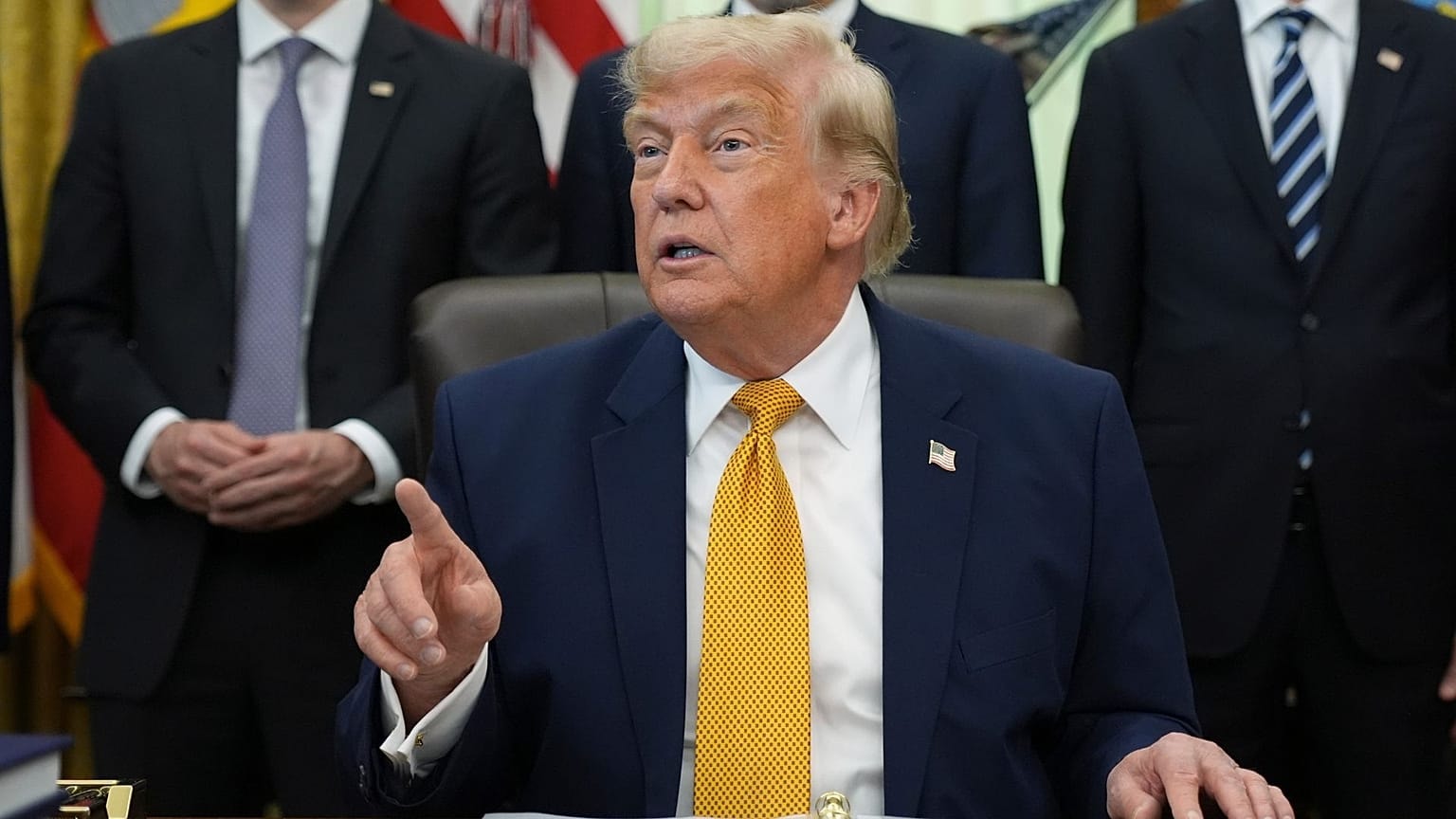
In response, U.S. President Donald Trump announced that the U.S. military had carried out airstrikes targeting Iranian missile depots, drone storage facilities, and coastal radar installations. He described the operation as a response to recent Iranian attacks and a violation of the ceasefire agreement.
Trump also warned that Washington would expand its military operations if attacks from Tehran continued, stating: “If this continues, the Islamic Republic will cease to exist.”
The U.S. Central Command (CENTCOM) confirmed that the Saturday strikes were conducted on the direct orders of the President.
CENTCOM stated that the operation followed an Iranian suicide drone attack on the Panama-flagged oil tanker Kiko near the Strait of Hormuz. According to the statement, the tanker was carrying more than two million barrels of crude oil.
Meanwhile, disagreements between the two sides over the implementation of an agreement concerning the reopening of the Strait of Hormuz continue. Iran claims that, under the terms of the agreement, responsibility for managing maritime traffic in the waterway lies with Tehran, and that vessels must coordinate with Iranian forces prior to passage.
In contrast, the United States insists that the agreement is based on the principle of full freedom of navigation in the Strait of Hormuz and that no country has the right to restrict the passage of commercial vessels.
With ongoing reciprocal attacks and escalating verbal threats, concerns about the expansion of the conflict and its implications for regional security and global trade have once again increased.
Writer:Salima Aryaei