News related to sexual assault and rape are always considered among the most shocking and sensitive events in the world. Such incidents affect the psychological security of society and, for a long time, occupy public opinion with their human, moral, and legal dimensions.
These cases become even more controversial and widespread when the names of celebrities, popular figures, or stars from the worlds of art and sports are involved. In such situations, society experiences a kind of collective shock, where the public image of a well-known personality suddenly faces serious and highly debated accusations.
In recent years, the global atmosphere and subsequently Iranian society has witnessed a noticeable change in the way cases of sexual harassment and violence are addressed. Many victims and complainants now feel more empowered than before to share their stories and file complaints. Breaking long-standing silence, moving beyond the culture of victim-blaming, and standing against social and media pressure are considered some of the significant changes in this field.
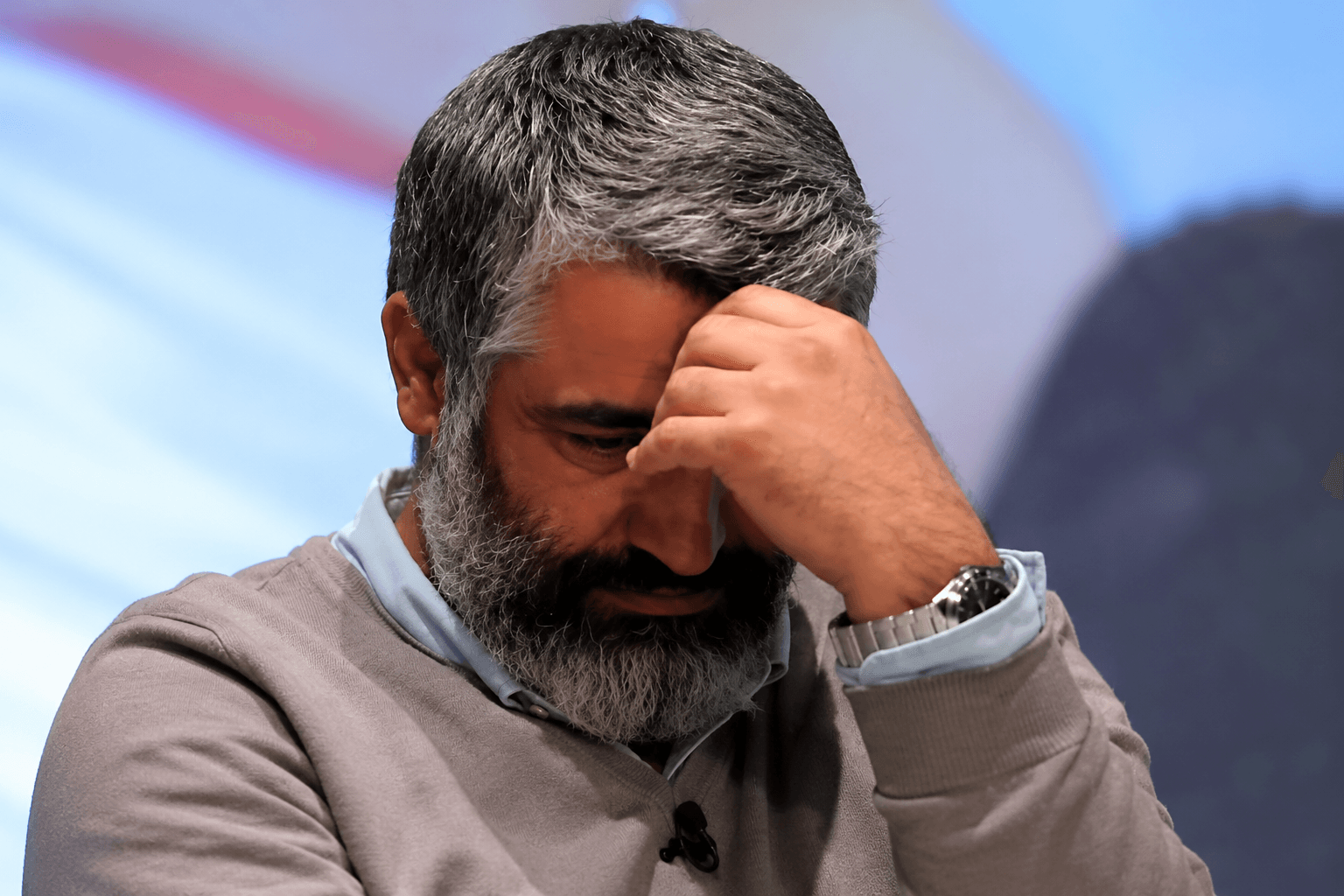
In this context, the case involving Pezhman Jamshidi, a former footballer and film and television actor, has become one of the most controversial cases in recent months. The case entered the judicial stage after a complaint was filed by a young acting student, including accusations such as “rape” and “kidnapping,” and it received widespread attention in the media and on social networks.
Now, several months after the case first emerged, reports of the court’s verdict have been published, announcing a punishment of “99 lashes as a discretionary sentence.” However, the release of the ruling has not ended the controversy; instead, it has triggered a new wave of questions and reactions among the public.
Many social media users and some legal analysts have raised questions regarding whether the issued sentence is proportionate to the accusations presented in the case. Alongside this, the role of the defendant’s fame in the media coverage of the case, as well as the difficulties involved in proving crimes related to sexual violence and harassment, have become major topics of public discussion.
The case has now become a notable example at the intersection of “media,” “celebrity,” and the “legal system” a case whose various dimensions continue to be debated, while the public awaits greater transparency regarding the judicial process and its legal details.
Writer:Salima Aryaei