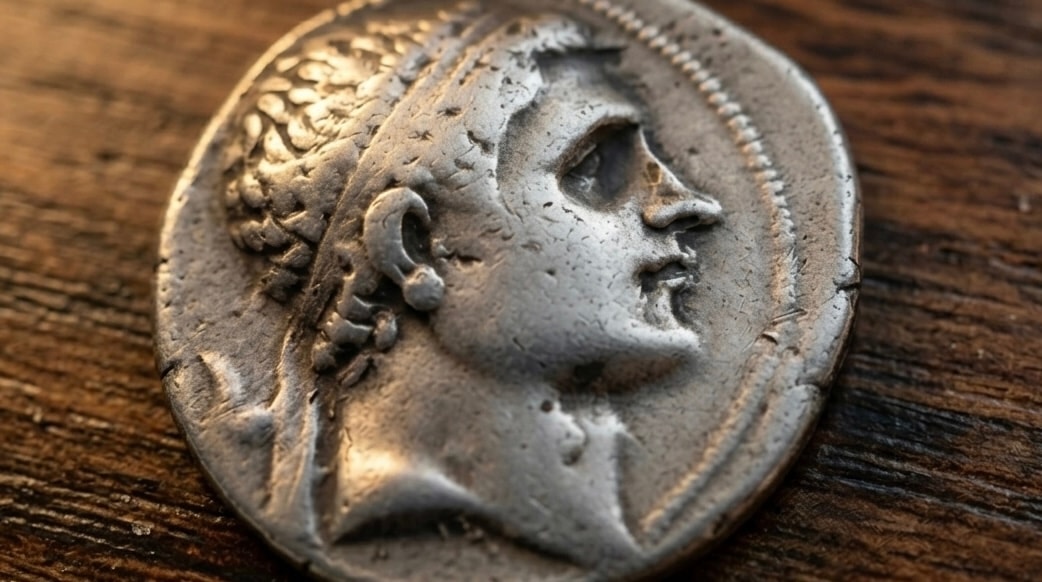
A child in Baghlan Province discovered an ancient coin while tending livestock. After finding the coin, the child’s family handed it over to officials of the Taliban’s Information and Culture Department in the province.
The Taliban’s Information and Culture Directorate in Baghlan announced in a statement on Sunday, 11 Asad, that the coin was discovered in Burka District. According to the department, the coin was transferred to the local museum after being handed over for preservation and further examination.
Asadullah Mustafa Hashemi, head of the Taliban’s Information and Culture Department in Baghlan, said that based on preliminary assessments, the coin is estimated to be around 2,000 years old and may belong to the era of the Greco-Bactrian Kingdom. However, he added that determining its exact date and origin requires further specialized research.
According to Hashemi, the coin was found by a young child while grazing livestock in Burka District. He did not provide further details about the exact location of the discovery or the conditions under which the coin was preserved.
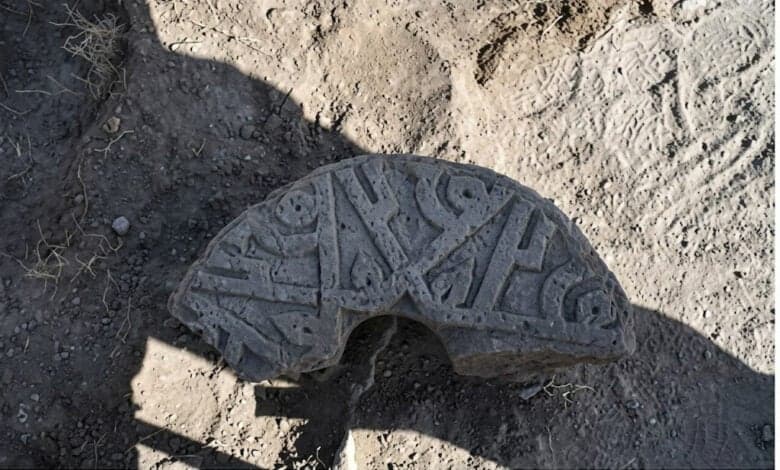
Images released by the Taliban’s Information and Culture Department show that the artifact is a silver coin. One side features a human portrait, while the other depicts a full figure of a person along with inscriptions in an ancient script.
In recent years, the Taliban have repeatedly emphasized the importance of protecting Afghanistan’s historical and cultural heritage. This comes despite the fact that in 2001 (1380 in the Afghan calendar), the statues of Salsal and Shahmama Buddha in Bamiyan among Afghanistan’s most significant historical and cultural landmarks and some of the largest stone statues in the world were destroyed during a demolition campaign by the then Taliban government.
In recent years, the archaeological sites of Bamiyan and the empty niches where the Buddha statues once stood have remained among Afghanistan’s most important domestic and international tourist destinations, with visitors traveling to Bamiyan to explore the historic area.
Writer:Salima Aryaei