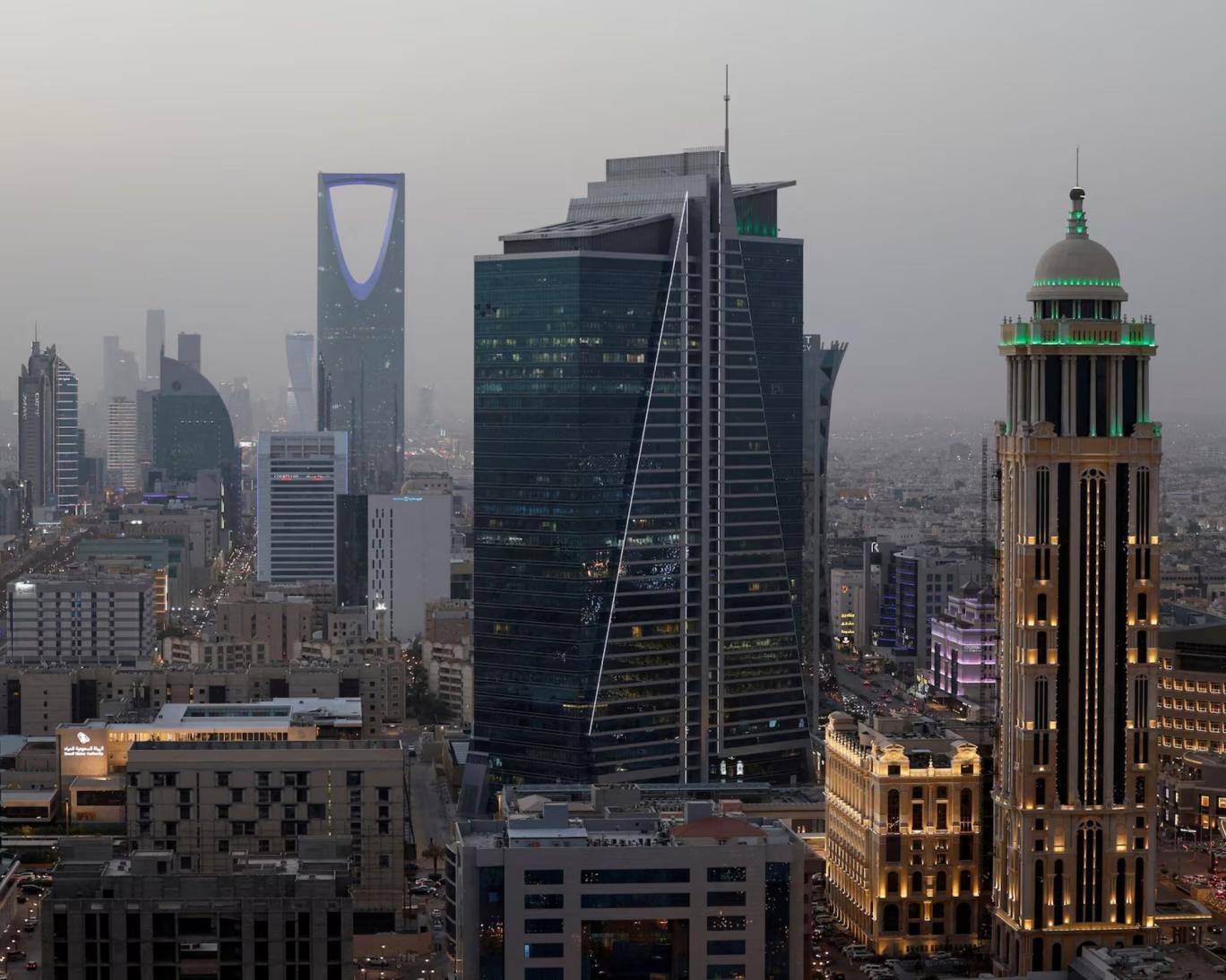
According to official data released by the Saudi Ministry of Finance, non-oil revenues of the country in the first quarter of 2026 increased by 2% compared to the same period last year, reaching 116 billion Saudi riyals, equivalent to approximately 30.9 billion US dollars. This figure indicates that Saudi Arabia continues to pursue its plan to reduce oil dependency and develop non-oil revenue sources.
The government budget performance report for the three-month period ending March 31, 2026, also shows that alongside rising public spending, Saudi Arabia’s budget deficit reached 126 billion riyals. Officials attributed the increase in expenditures to the implementation of projects and national programs within the framework of economic diversification.
According to the report, goods exports and shipments, including re-exports, grew by 17.5% in January and February, reaching 63.3 billion riyals. Additionally, the trade balance for goods in the first two months of the year recorded a surplus of 36.9 billion riyals.
The Ministry of Finance stated that total government spending in the first quarter of 2026 reached approximately 387 billion riyals, showing about a 20% increase compared to the same period in 2025. In contrast, total government revenues slightly declined by 1%, reaching 261 billion riyals.
Saudi oil revenues during this period also decreased by 3% to 145 billion riyals. The Ministry of Finance report cited the relative weakness of the global energy market as a factor for this decline.
Despite the budget deficit, Saudi Arabia’s economic indicators continue to show growth. The real GDP of the country grew by about 4.5% in 2025, with the oil sector increasing by 5.7% and the non-oil sector by 4.9%. For 2026, economic growth of around 4.6% is forecasted.
Jassim Ajajah, an economist and university professor, told Arab News that the budget deficit is largely structural and results from the government’s proactive spending policy to finance projects that will generate sustainable non-oil revenues in the future.
He also emphasized that Saudi Arabia’s fiscal policy, within the framework of the “Vision 2030” plan, is based on careful planning and specific objectives, and current expenditures should be considered part of long-term economic investments.
According to the report, inflation in Saudi Arabia remains under control. The Consumer Price Index in the first quarter of 2026 increased by about 1.8%, which economic officials described as a sign of stable purchasing power.
The Purchasing Managers’ Index (PMI) for the non-oil private sector also averaged 53.7 points during this period, a figure above the 50-point threshold, indicating continued growth in private sector activity.
Data also show that industrial production in Saudi Arabia increased by 9.8% in January and February compared to the previous year, highlighting the growing role of the manufacturing sector in the country’s economy.
Government spending on health and social development also rose by 12% to 81 billion riyals, compared to 72 billion riyals the previous year. Officials assessed this increase as part of efforts to strengthen public welfare and develop social services.
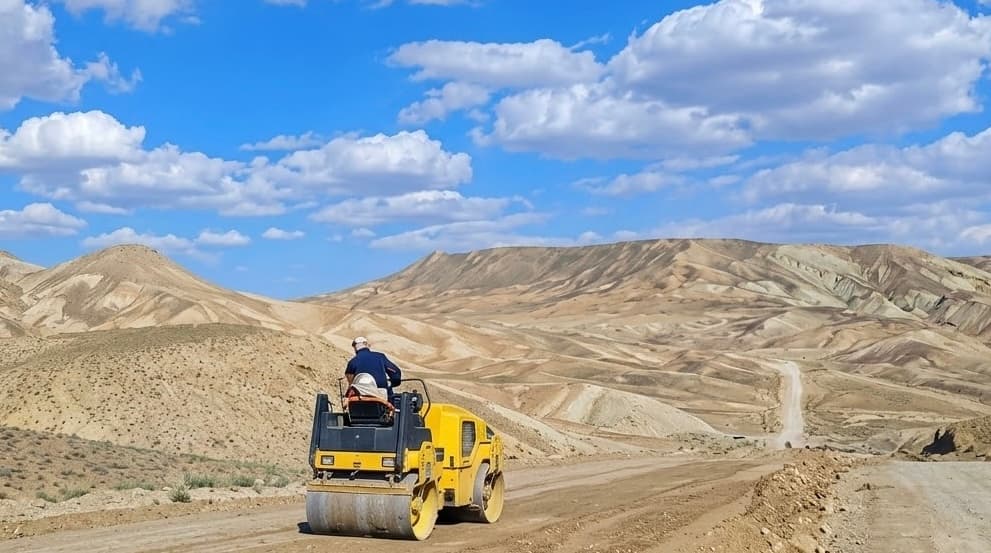
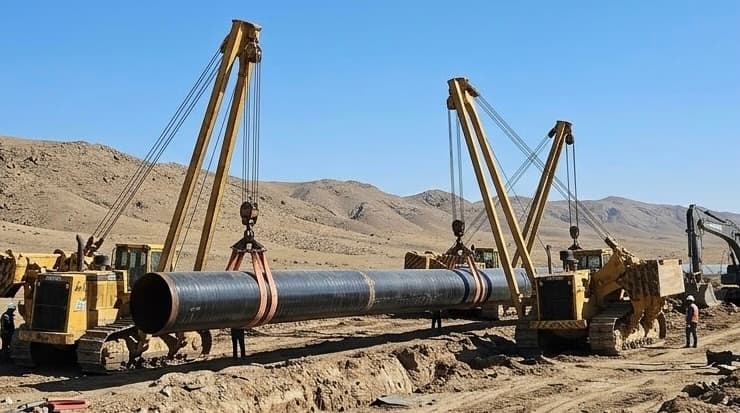
Infrastructure and transportation spending grew by 26% to 12 billion riyals. Saudi Arabia stated that these investments aim to turn the country into a major global logistics and transportation hub.
Meanwhile, social benefits spending increased by 2%, surpassing 31 billion riyals. Employment of Saudi citizens in the private sector also increased by approximately 139,500 in the last quarter of 2025, bringing the total number of Saudi employees in this sector to about 2.5 million.
The Ministry of Finance report shows that in-person payments using POS terminals in the first quarter of 2026 grew by 4.4% to 189.7 billion riyals. E-commerce sales also rose by 42.6%, reflecting the expansion of digital services usage in the country.
Bank credit to the private sector increased by 8.8% by the end of February compared to the previous year. Total foreign reserves of Saudi Arabia reached 1.786 trillion riyals, showing a 10% increase compared to the previous year.
Jassim Ajajah further emphasized that the first-quarter budget deficit is minimal compared to Saudi Arabia’s foreign reserves, and the country still has the capacity to borrow from global markets while maintaining economic stability.
According to the report, the overall real estate price index in Saudi Arabia decreased by 1.6%, and residential unit prices fell by 3.6%. The government attributes this trend to structural reforms and policies such as levying taxes on idle land to increase housing supply.
Writer:Salima Aryaei